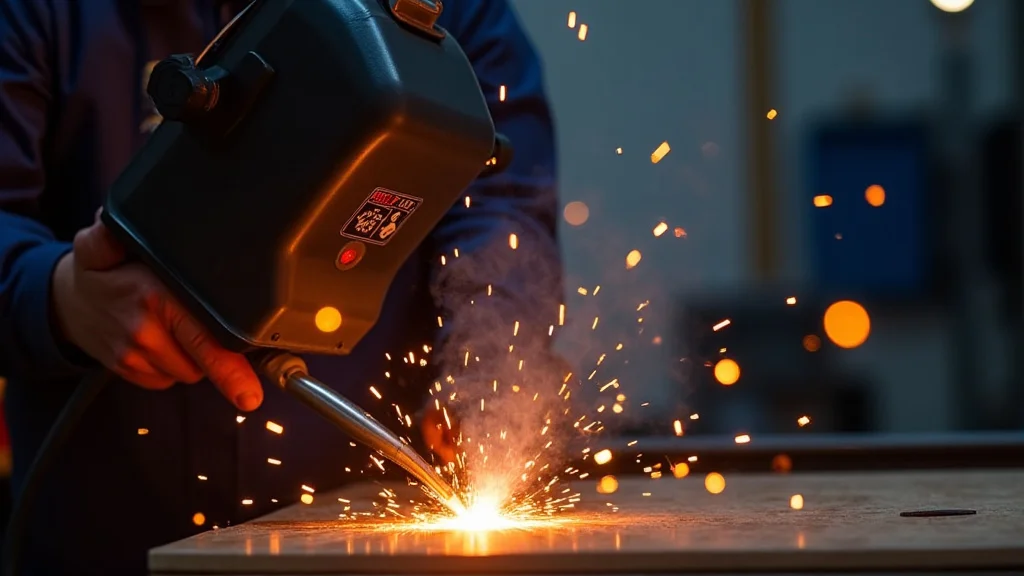
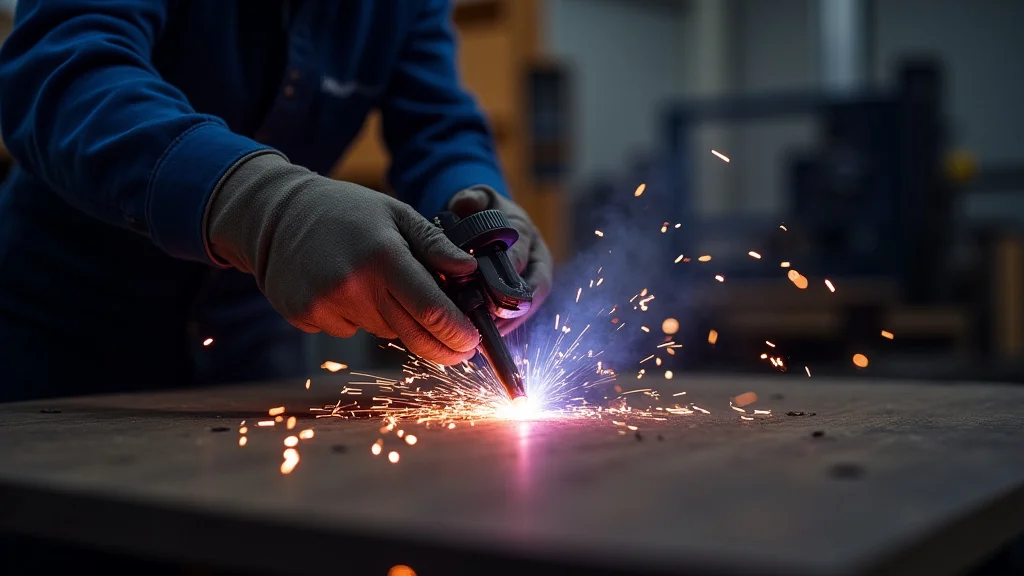
It’s frustrating when your welding machine won’t start right. For anyone new to welding, a “Welding Machine Not Starting Properly? Troubleshoot” situation can feel like a big puzzle.
You might wonder where to even begin. Don’t worry, it’s a common issue, and we’ve got a simple, step-by-step guide to help you figure it out. Let’s get your welder back up and running so you can get back to your projects.
Key Takeaways
- You will learn common reasons why a welding machine won’t start.
- Simple checks for power and connections will be covered.
- Troubleshooting steps for common welding machine issues are explained.
- Tips for maintaining your welder to prevent future problems are provided.
- You’ll gain confidence in handling basic welding machine starting problems.
- The guide will help you get your welder working again quickly.
Troubleshooting Your Welding Machine When It Won’t Start
So, your welding machine isn’t cooperating. It might hum a little, or maybe nothing at all happens when you flip the switch. This is a common hiccup, especially for those just starting out.
It can feel overwhelming when you’re eager to get welding and your machine decides not to start properly. But most of the time, the problem is simple and easy to fix yourself.
Checking the Power Supply
The first and most important thing to check is the power. It sounds obvious, but many starting problems come down to power issues.
Is it Plugged In?
Make sure the welding machine is firmly plugged into the wall outlet or generator. Sometimes, the plug can come loose, especially if the cord is bumped.
Is the Outlet Working?
Try plugging another small appliance, like a lamp or a phone charger, into the same outlet. If that appliance doesn’t work, the problem is with the outlet or the circuit breaker, not your welder.
Check the Circuit Breaker
If your welding machine is plugged into a circuit that has tripped, it won’t get power. Locate your home’s or shop’s breaker box and look for a breaker that’s in the middle position or flipped off. Flip it completely off, then back on.
Extension Cords
If you’re using an extension cord, make sure it’s rated for the amperage your welding machine needs. Using an undersized cord can cause voltage drops, preventing the welder from starting or running properly. Heavy-duty cords are a must for welders.
Inspecting the Welding Machine Itself
Once you’re sure you have power, it’s time to look at the welder itself. There are a few key areas to examine.
Power Switch
Ensure the power switch on the welding machine is in the “on” position. Some switches can be stiff or get stuck. Give it a firm press.
Input Power Settings
Many welding machines have a setting for the input voltage (e.g., 120V or 240V). Make sure this is set correctly for the power source you’re using. If it’s set to 240V and you’re using a 120V outlet, it won’t start.
Cooling Fan
Most welders have a cooling fan. If the fan isn’t running, the machine might have a thermal overload protector that has tripped, or there could be a fan motor issue. Let the machine cool down for a while if you suspect it’s overheated.
Indicator Lights
Look for any indicator lights on the front panel. Some machines have a power light, a fault light, or a thermal overload light. A fault or overload light usually tells you something specific is wrong.
Troubleshooting Common Issues
Even with power and the machine switched on, other things can prevent a weld from starting.
Ground Clamp Connection
A proper ground is essential for welding. Make sure the ground clamp is securely attached to a clean piece of metal. Any paint, rust, or dirt can prevent a good connection.
It needs to be on the workpiece itself or a sturdy metal structure connected to it.
Electrode Holder or MIG Gun
For stick welding, ensure the electrode is securely clamped in the electrode holder. For MIG welding, check that the MIG gun is properly connected to the machine and that there’s wire in the gun ready to feed.
Wire Feeder Issues (MIG Welding)
If you’re using a MIG welder and it’s not feeding wire, check a few things:
- Drive Rollers: Make sure the drive rollers are the correct size for your wire and that they are tight enough to grip the wire without crushing it.
- Tension Arm: The tension arm should apply enough pressure to feed the wire smoothly.
- Wire Spool: Ensure the wire spool is mounted correctly and can spin freely.
- Gun Liner: A kinked or dirty gun liner can prevent wire from feeding.
Gas Flow (MIG and TIG Welding)
If you’re using MIG or TIG welding, check your gas supply:
- Gas Cylinder: Is the gas cylinder valve open?
- Regulator: Is the regulator set to the correct flow rate?
- Connections: Are all gas line connections secure?
Without gas, you won’t get a good weld, and some machines might behave strangely if the gas flow is interrupted.
Safety First
Always remember to prioritize safety. Before you check any connections or parts of the welding machine, make sure it’s unplugged. Water and electricity don’t mix, and it’s important to keep yourself safe.
When to Call a Professional
If you’ve gone through all these steps and your welding machine still won’t start, it might be time to contact the manufacturer or a qualified repair technician. There could be an internal electronic issue that requires specialized tools and knowledge to fix.
Frequently Asked Questions
Question: My welding machine makes a buzzing sound but doesn’t start. What could be wrong?
Answer: A buzzing sound often means the machine is getting some power but not enough to start welding. Check your power source, extension cord, and circuit breaker. Ensure the ground clamp is making good contact.
It could also be an internal component issue.
Question: The welding machine turns on, but no arc will form. What should I do?
Answer: This usually points to an issue with the welding circuit. Make sure your electrode or MIG gun is properly connected and the workpiece is clean for a good ground. Check if the machine is set to the correct welding process (e.g., stick, MIG, TIG).
Question: My welding machine tripped the breaker immediately. What’s the cause?
Answer: An immediate breaker trip usually means there’s a short circuit or the machine is drawing too much power. Double-check that you’re using the correct voltage setting and a properly rated extension cord. If it continues, there might be a fault within the welder.
Question: Can a dirty welding machine cause starting problems?
Answer: Yes, a lot of dust and grime can build up inside a welding machine, especially around cooling fans and electrical components. This can lead to overheating and tripping overload circuits, or even cause shorts, preventing it from starting.
Question: How often should I clean my welding machine?
Answer: It’s a good idea to clean your welding machine at least once a year, or more often if you use it in a dusty environment. Use compressed air to blow out dust from vents and internal components.
Final Thoughts
When your welding machine won’t start properly, remember to stay calm. Most issues are simple to fix. You’ve learned to check your power, inspect the machine’s connections, and troubleshoot common problems like ground contact and wire feeding.
By following these steps, you can often get back to welding quickly. If you’ve tried these checks and it’s still not working, seeking professional help is the next smart step.