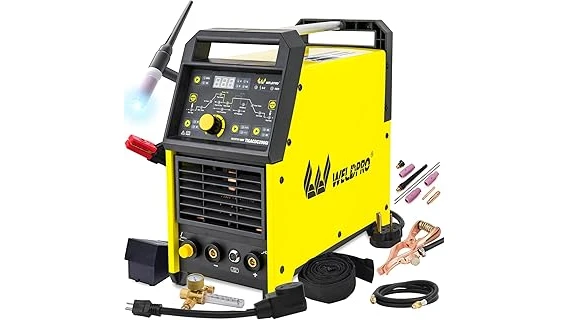
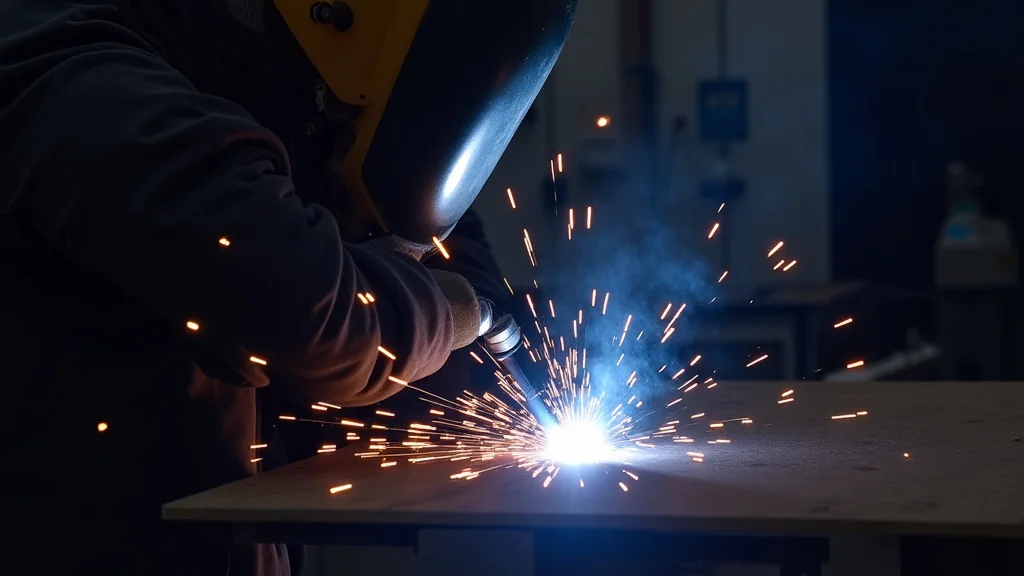
Is your welder acting up and not turning on or working right? You’re not alone! For folks just starting out, seeing a Welding Machine Not Responding?
Step Fix can be a real puzzle. It’s easy to feel stuck when your tool won’t cooperate. But don’t worry, we’ll walk through some simple steps together.
We’ll get your machine back in action so you can get to welding. Let’s find out what’s going on.
Key Takeaways
- You will learn common reasons why a welding machine might not respond.
- We will cover simple checks for power and connections.
- You will discover how to troubleshoot basic operational issues.
- This guide will help you identify when professional help is needed.
- Simple steps to get your welder working again will be explained.
Understanding Why Your Welder Might Be Silent
When your welding machine suddenly stops working, it can be frustrating. There are several reasons this might happen, especially for those new to welding. Often, the problem is something simple that’s easy to fix.
We’ll break down the most common issues so you can get back to your project.
Power Problems: The First Place to Look
The most frequent reason a welder won’t turn on is a power issue. It sounds obvious, but it’s the first thing to check. Make sure the machine is plugged in properly.
Is the plug fully seated in the outlet? Sometimes, the connection can come loose.
Check the Power Cord and Plug
Inspect the power cord for any visible damage. Look for cuts, nicks, or frayed wires. If the cord looks damaged, do not use the machine.
It’s a safety hazard. The plug itself should also be clean and free of debris.
Examine the Outlet
Is the outlet you’re using working? You can test it with another small appliance, like a lamp or a phone charger. If the outlet doesn’t work, the problem might be with your home’s wiring or the circuit breaker.
Try a different outlet that you know is working.
Circuit Breakers and Fuses
Welding machines draw a lot of power. This can sometimes trip a circuit breaker or blow a fuse. Check your home’s electrical panel.
If a breaker is tripped, it will be in a different position than the others. Flip it completely off and then back on. If you have fuses, check if any are blown.
A blown fuse will often have a broken wire inside.
Internal Safety Features
Most welding machines have built-in safety features. These can sometimes prevent the machine from starting if something isn’t quite right. For example, some machines have thermal overload protection.
If the machine has been running for a long time or in a hot environment, it might shut itself off to prevent overheating.
Thermal Overload Protection
If your welder shut off suddenly, especially after a long welding session, it might be due to overheating. Let the machine cool down completely. This can take 15 to 30 minutes, or even longer.
Once it’s cool, try turning it on again. Avoid welding continuously for extended periods if your machine is prone to overheating.
Internal Fuses or Protection Devices
Some welders have internal fuses or other protective devices. These are usually located inside the machine. Accessing these might require removing a cover.
If you’re comfortable doing so and have the right tools, you can check for blown internal fuses. Refer to your machine’s manual for their location and type. Always unplug the welder before opening it up.
Connections and Cables: The Pathway for Power
Even if your welder is getting power, the welding current needs to reach your workpiece. Loose or damaged cables can prevent this from happening, making it seem like the machine isn’t responding.
Work Clamp Connection
The work clamp is essential. It grounds the circuit and allows the current to flow back to the machine. Make sure the work clamp is securely attached to your workpiece.
It should have good, clean metal-to-metal contact. A loose or dirty clamp won’t make a good connection.
Electrode Holder or Torch Connection
Similarly, the electrode holder (for stick welding) or the torch (for MIG or TIG welding) needs a solid connection to the welding cable. Check that the cable is firmly attached to the holder or torch. Wiggle it a bit to ensure it’s tight.
Damaged cables can also cause issues.
Machine Settings and Controls
Sometimes, the issue isn’t with power or connections, but with how the machine is set up.
Incorrect Amperage or Voltage Settings
While this usually results in poor welding rather than no response at all, very low settings might not produce an arc. Double-check that your amperage or voltage settings are appropriate for the type of welding you’re doing and the thickness of your material.
Wrong Mode Selection
Many welders have different modes (e.g., DC, AC, TIG, MIG, Stick). If you’re trying to weld with the wrong mode selected, it might not work. For instance, trying to run a TIG torch in stick mode won’t do anything.
Make sure the correct welding process is chosen.
Safety Feature Lockouts
Some advanced machines have safety interlocks that might prevent operation if certain conditions aren’t met. This could be related to gas flow for TIG or MIG, or even specific settings.
Environmental Factors
Where and how you use your welder can also play a role.
Temperature Extremes
Welding machines are designed to work within a certain temperature range. Extremely hot or cold conditions can affect their performance or even prevent them from starting. If you’re working outside in very cold weather, the internal components might not function correctly until they warm up.
Moisture and Contamination
Moisture is the enemy of electrical equipment. If your welder has been exposed to rain, snow, or high humidity, it could cause problems. Even dust and dirt can interfere with connections and internal components.
Ensure your machine is kept in a dry, clean environment.
Troubleshooting Steps in Order
When faced with a non-responsive welder, follow these steps systematically:
- Check Power Source:
- Is the welder plugged in securely?
- Test the outlet with another device.
- Check your circuit breaker or fuses for the outlet.
- Inspect Cables and Connections:
- Ensure the work clamp has a clean, solid connection to the metal.
- Verify the electrode holder or torch is tightly connected to its cable.
- Look for any damage to the power cord, welding cables, or ground cable.
- Review Machine Settings:
- Confirm the correct welding mode is selected.
- Check amperage and voltage settings for suitability.
- Allow for Cooling:
- If the machine feels hot, let it cool down completely.
- Consult the Manual:
- Your owner’s manual is your best friend for specific troubleshooting tips for your model.
When to Seek Professional Help
While many issues are simple to fix, some problems go beyond basic troubleshooting. If you’ve gone through all the steps and your welder still isn’t working, it’s time to consider professional help.
Internal Damage or Component Failure
If you suspect an internal component has failed, like a transformer, capacitor, or circuit board, it’s best left to a qualified technician. Attempting to repair these parts without proper knowledge and equipment can be dangerous and could cause further damage.
Persistent Safety Issues
If your machine keeps tripping breakers, smells like burning, or shows error codes you can’t clear, these are signs of a more serious internal problem that needs expert attention.
Warranty Considerations
If your welding machine is still under warranty, do not attempt any repairs yourself. Contact the manufacturer or an authorized service center. Tampering with the machine could void your warranty.
Frequently Asked Questions
Question: Why won’t my welding machine turn on at all?
Answer: Check that it’s plugged in securely, the outlet is working, and the circuit breaker hasn’t tripped. Also, ensure the power switch is in the ‘on’ position.
Question: My welder worked yesterday, but not today. What should I check first?
Answer: Start with the power source and connections. Make sure the power cord is firmly plugged in, the outlet is live, and the work clamp is making good contact with the metal.
Question: I smell a burning odor coming from my welder. Is this normal?
Answer: No, a burning smell is not normal. It usually indicates an internal issue like overheating or a damaged component. Unplug the machine immediately and have it inspected by a professional.
Question: How do I know if my welding cables are bad?
Answer: Inspect the cables for any cuts, nicks, exposed wires, or melted insulation. A loose connection at the machine or the electrode holder/torch can also be a sign of cable trouble.
Question: Can I use an extension cord with my welder?
Answer: It’s generally not recommended, especially for high-amperage welders. If you must use one, it needs to be very heavy-duty, short in length, and rated for the correct amperage to avoid voltage drop and overheating.
Final Thoughts
When your welding machine acts up, stay calm and start with the simple checks. Power, connections, and settings are often the culprits. Most of the time, a quick fix gets you back to creating.
Don’t be afraid to consult your manual or a professional if needed. Getting your welder to respond is about following a clear path. You’ve got this.