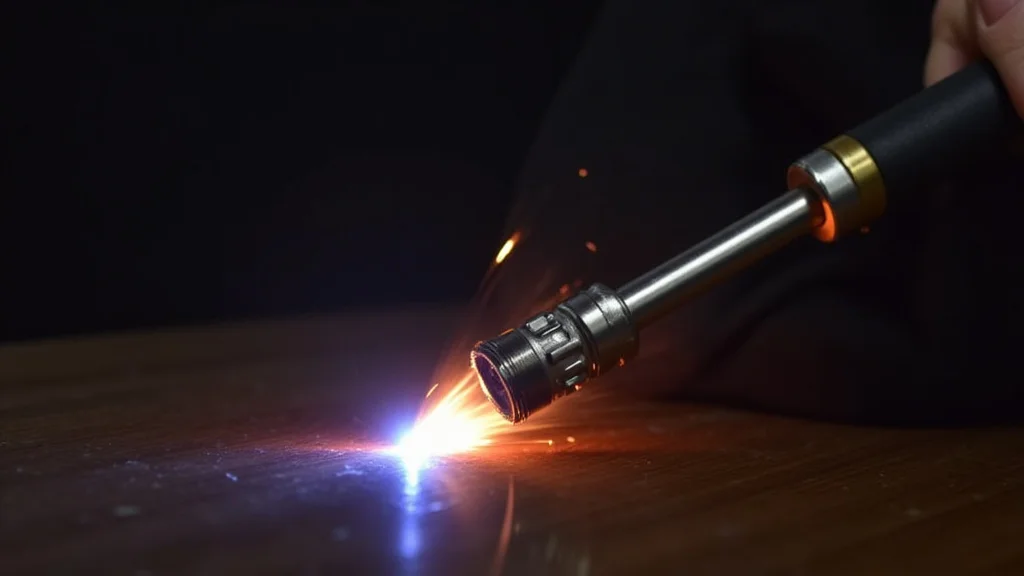
It’s frustrating when your TIG welder torch stops working! For beginners, figuring out why can feel like a puzzle. This common problem, the TIG Welder Torch Not Working?
Step Fix, doesn’t have to be tricky. We’ll walk through simple steps to get you welding again quickly. Let’s find out what’s going on and fix it.
Key Takeaways
- You will learn the most common reasons a TIG torch might not work.
- We will cover simple checks for power, gas, and connections.
- You will find out how to test your gas solenoid and water cooler.
- We will explain how to check your torch consumables.
- You will get a clear, step-by-step guide to troubleshoot the issue.
Why Your TIG Welder Torch Might Not Be Working
When your TIG welder torch suddenly stops working, it can halt your project. This happens for many reasons. Some are simple fixes, while others might need a bit more thought.
Knowing the common culprits helps you find the problem fast.
No Gas Flow
One of the first things to check is your shielding gas. TIG welding needs gas, usually argon, to protect the weld pool. If the gas isn’t flowing, the weld won’t be clean, and it might seem like the torch isn’t working at all.
Check the Gas Cylinder
Is the gas cylinder valve open? It sounds basic, but it’s easy to forget. Make sure the valve on top of the cylinder is fully open.
You should also check the pressure gauge on the regulator.
Regulator and Flow Meter
The regulator controls the gas pressure. The flow meter tells you how much gas is actually coming out. If either of these is set wrong or faulty, you won’t get gas.
Try adjusting the regulator to see if that helps. Listen for the sound of gas flowing.
Gas Hose
A kinked or blocked gas hose can stop gas flow. Check the hose from the regulator to the welder. Make sure it’s not bent sharply anywhere.
No Power to the Torch
If you don’t have power, you can’t weld. The torch itself needs to receive an electrical signal from the welder.
Power Cord and Connections
Is the welder plugged in? Check the main power cord to the welder. Make sure it’s securely plugged into a working outlet.
Also, check the connection of the torch cable to the welder. It should be tight and free of damage.
Torch Cable
The torch cable carries the power and gas. Look for any visible damage, cuts, or burns on the cable. A damaged cable can prevent power from reaching the torch tip.
Foot Pedal or Hand Control
Most TIG welders use a foot pedal or a hand control to start and stop the arc. If this isn’t working correctly, it won’t send the signal to the welder to create power.
- Foot Pedal Issues: Check the pedal’s connection to the welder. Try wiggling the pedal to see if it makes intermittent contact. Some pedals have a small knob to adjust sensitivity or settings.
- Hand Control Issues: If you use a hand control, ensure its cable is connected properly and undamaged.
Water Cooler Problems (for Liquid-Cooled Torches)
If you have a liquid-cooled TIG torch, the water cooler is essential. It prevents the torch from overheating. If the cooler isn’t working, your welder might shut down the torch to protect it.
Water Level and Flow
Check the water level in the cooler. Is it full? Also, verify that water is circulating.
You should see water flowing through the lines and back into the cooler.
Pump Operation
Listen for the water cooler’s pump. If you don’t hear it running, the pump might be faulty or not receiving power. Some coolers have a safety switch that turns them off if water flow is low.
Connections to the Torch
Ensure the water lines are securely connected to both the cooler and the torch. Leaks can cause low flow and trigger safety shut-offs.
Consumables and Torch Assembly
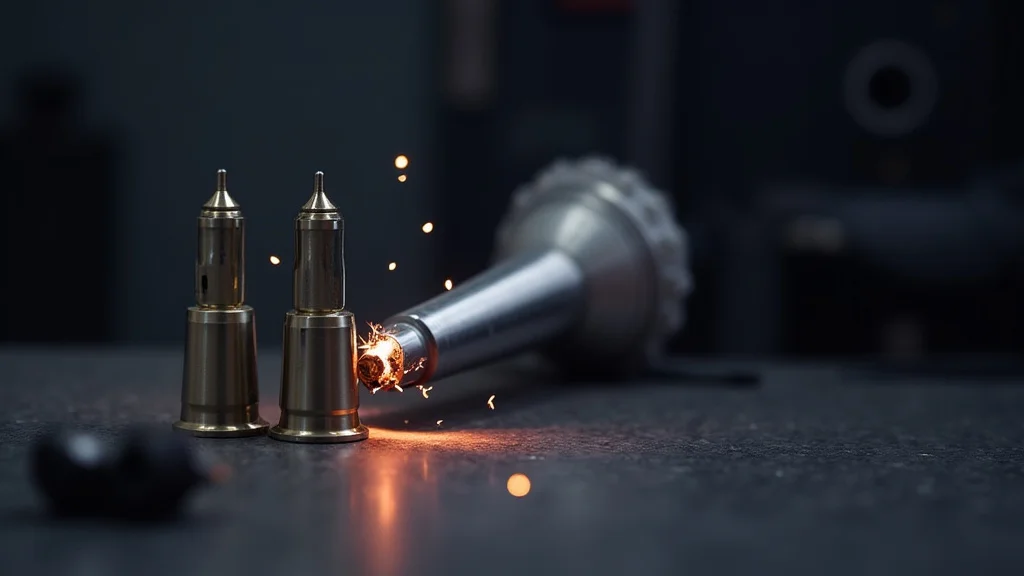
The parts at the end of your TIG torch are called consumables. Worn-out or incorrectly installed consumables can cause problems.
Tungsten Electrode
The tungsten electrode is what creates the arc. If it’s too short, too long, or broken, it won’t arc properly. Make sure it’s extended the correct amount from the ceramic cup.
Collet and Collet Body
The collet holds the tungsten in place. The collet body fits onto the torch. If these are worn, damaged, or the wrong size for your tungsten, they won’t hold it correctly.
Ceramic Cup (Nozzle)
The ceramic cup directs gas flow. If it’s cracked, chipped, or clogged with debris, gas flow can be disrupted. Make sure it’s clean and the correct size for your application.
Gas Lens (if used)
A gas lens helps improve gas coverage. If it’s not installed correctly or is damaged, it can cause welding defects or prevent the arc.
Gas Solenoid Valve
The gas solenoid valve is an electronic switch that controls gas flow from the cylinder to the torch. When you hit the trigger, this valve opens. If it’s stuck or faulty, gas won’t flow.
Testing the Solenoid
You can often test the solenoid by listening for a click when you press the torch trigger (if the welder is powered on). If you don’t hear a click, or if you don’t get gas even with the cylinder and regulator working, the solenoid might be the issue.
Torch Trigger Switch
The trigger switch on the torch is what tells the welder to start and stop. If this switch is broken or the wiring is bad, the welder won’t receive the signal.
Checking the Switch
Listen for a click when you press the trigger. If you don’t hear or feel anything, the switch itself might be bad. Sometimes, the wiring inside the torch handle can come loose.
Welder Power Supply Issues
Sometimes, the problem isn’t the torch but the welder itself.
Machine Settings
While unlikely to cause a complete “no work” scenario unless something is severely wrong, ensure your welder settings are appropriate. Check the manual for recommended settings.
Internal Welder Fault
If you’ve checked everything else and still have no arc, gas, or power, the issue might be internal to the welder. This could require professional service.
Troubleshooting Steps: A Step-by-Step Guide
Let’s put it all together. Follow these steps in order when your TIG welder torch is not working.
Step 1: Check the Basics
- Power: Is the welder plugged in and turned on?
- Gas Cylinder: Is the gas cylinder valve open?
- Regulator: Is the gas pressure set correctly on the regulator?
Step 2: Check Gas Flow
- Turn on the gas at the cylinder.
- Press the torch trigger. Do you hear gas flowing from the torch tip?
- If no gas, check the gas hose for kinks or damage.
- If gas is still not flowing, the issue might be the gas solenoid valve or regulator.
Step 3: Check Power to the Torch
- Press the torch trigger. Do you hear the welder trying to start, or see any lights change?
- Check the torch cable connection at the welder. Ensure it’s secure and undamaged.
- If you use a foot pedal or hand control, check its connection and try gently wiggling it.
- If you still have no power, the problem could be the torch trigger switch, cable, or the welder itself.
Step 4: Check Water Cooler (if applicable)
- If you have a liquid-cooled torch, ensure the water cooler is on and the pump is running.
- Check water level and flow.
- Make sure water lines are connected securely to the torch and cooler.
Step 5: Inspect Torch Consumables
- Turn off the welder power.
- Unscrew the ceramic cup.
- Check the tungsten electrode: Is it sharp, the right length, and properly seated in the collet?
- Inspect the collet and collet body for damage.
- Check the ceramic cup for cracks or blockages.
- Reassemble carefully, ensuring everything is snug.
Step 6: Listen and Observe
- With the welder powered on and gas cylinder open, press the torch trigger.
- Listen for sounds: clicking of the solenoid, hum of the fan, or any unusual noises.
- Look for indicator lights on the welder.
Step 7: Test Components (if possible)
If you have access to a multimeter, you can test continuity on the trigger switch and torch cable. You can also check if the gas solenoid is getting power.
Frequently Asked Questions
Question: My TIG torch has power, but no gas is coming out. What should I do?
Answer: First, check that your gas cylinder valve is open and the regulator is set correctly. Then, inspect the gas hose from the regulator to the welder for any kinks or leaks. If these are fine, the issue might be with the gas solenoid valve inside your welder or a blockage in the torch itself.
Question: The arc starts, but it’s weak or inconsistent. What’s wrong?
Answer: A weak or inconsistent arc often points to a shielding gas problem. Ensure you have enough gas flow and that it’s not being disrupted by drafts. Check your tungsten electrode; it might be too short, dirty, or damaged.
Also, inspect the ceramic cup and gas lens for blockages.
Question: My TIG torch only works for a short time before shutting off.
Answer: This usually indicates an overheating issue. If you have a liquid-cooled torch, the most common cause is a problem with the water cooler. Check the water level, pump operation, and flow through the lines.
For air-cooled torches, ensure the cable isn’t damaged and that the welder isn’t overheating.
Question: I accidentally dropped my TIG torch, and now it won’t work.
Answer: Dropping a torch can damage internal components. Carefully inspect the torch cable for any visible dents, cuts, or breaks. Check the trigger switch for responsiveness.
It’s possible that internal wiring or components inside the torch handle have become disconnected or broken.
Question: My TIG welder won’t even turn on.
Answer: If your welder doesn’t power on at all, check the main power cord connection and the outlet you’re using. Ensure the circuit breaker hasn’t tripped. If the welder still shows no signs of power, there might be an internal electrical issue that requires professional diagnosis.
Final Thoughts
When your TIG welder torch isn’t working, start with simple checks. Look at power, gas, and connections first. Then, move to consumables and cooling systems if you have them.
Most problems are solvable with these basic steps. You can get your TIG torch working again.