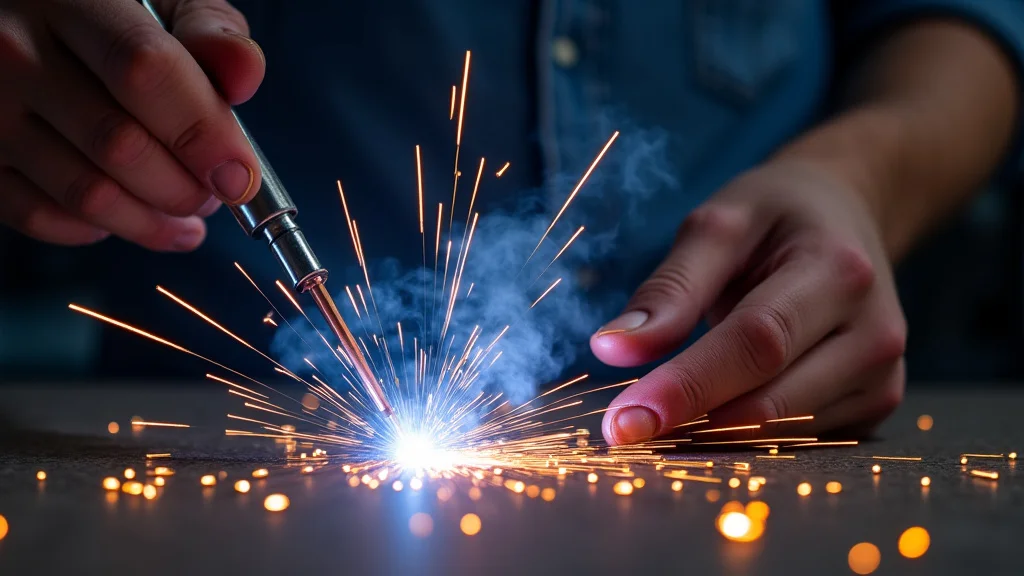
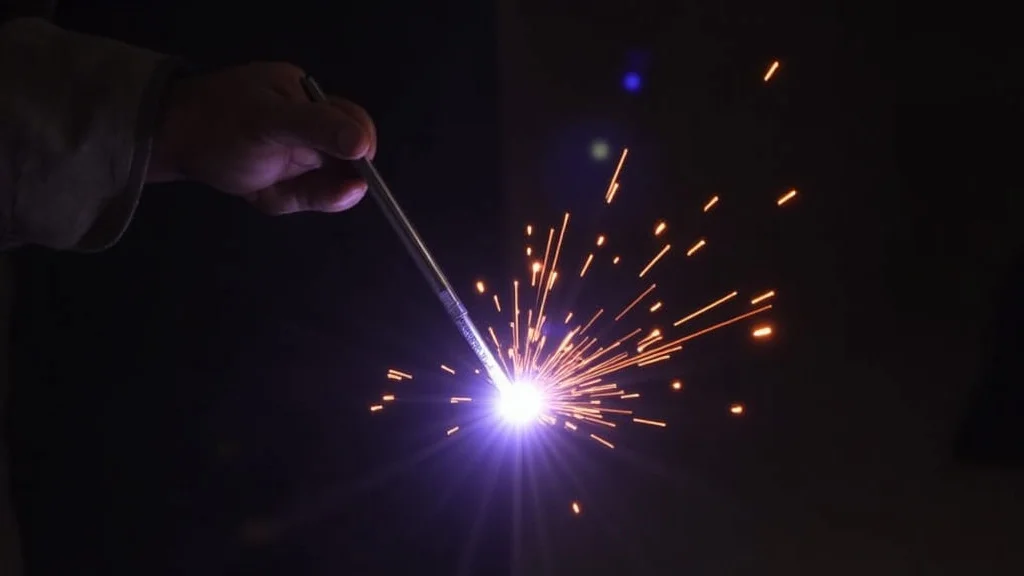
Many folks starting out with stick welding run into a bit of trouble when their welding arc suddenly stops working right. It can feel confusing when the metal doesn’t melt like it should, and sparks fly everywhere. This often happens because of something called a short circuit.
Don’t worry, Stick Welder Short Circuit Troubleshooting Tips are easier than you think to fix! We’ll walk through it simply, step by step. Get ready to learn how to spot and fix these common issues so you can get back to welding smoothly.
Key Takeaways
- You will learn what a short circuit looks like when stick welding.
- We will show you the common reasons why short circuits happen.
- You will get easy steps to fix a short circuit problem.
- We will cover how to prevent short circuits from happening again.
- You will feel more confident in your stick welding skills after this.
What is a Short Circuit in Stick Welding?
When you’re stick welding, the idea is to melt metal together with an electric arc. This arc happens between the tip of your welding rod and the piece of metal you’re working on. Think of it like a tiny lightning bolt.
A short circuit is when this electrical path gets messed up. Instead of the arc jumping a small, controlled gap, the electricity finds a much easier way to flow, usually by touching the metal rod directly to the workpiece.
Why Short Circuits Are Tricky for Beginners
For someone new to welding, a short circuit can seem like a mystery. You might not see the arc anymore, or it might just sizzle and pop without melting anything properly. It’s frustrating because it stops your work dead.
You expect that nice, smooth melt, but instead, you get stuck. This often happens because beginners aren’t sure what to look for or what’s causing the problem. It’s a common hurdle, but a simple one to get over.
Common Causes of Stick Welder Short Circuits
There are a few main reasons why a stick welder might short circuit. Knowing these will help you spot the problem faster. Think of it like a detective looking for clues.
1. Electrode Contact
This is the most frequent reason. It means the welding rod has accidentally touched the metal you are welding on. This can happen in a few ways:
- Touching the workpiece: You might lower the rod too quickly, or your hand might bump the metal.
- Rod sticking to the puddle: If your weld puddle gets too large, or you’re not moving fast enough, the rod can get stuck in the molten metal.
- Starting the arc incorrectly: Trying to scratch the rod like a match can sometimes lead to it sticking if you don’t pull away fast enough.
2. Dirty or Contaminated Metal
The metal you’re welding needs to be clean. If there’s rust, paint, oil, or other gunk on it, the electricity can find a path through that mess instead of creating a clean arc. This is especially true if the dirt is thick or conductive.
3. Incorrect Electrode Angle or Arc Length
Holding your electrode at the wrong angle can cause it to touch the workpiece unexpectedly. If your arc is too short – meaning the rod is too close to the metal – it’s easy for them to touch. This is a big one for beginners.
4. Wrong Welding Rod Angle
The angle you hold the rod matters. If you tilt it too much, the side of the rod might touch the metal. You want to keep the tip of the rod pointed at your weld.
5. Electrode Sticking to the Holder
Sometimes, the problem isn’t with your workpiece or technique. The rod might be sticking inside the electrode holder itself. This can happen if the holder is dirty or if the clamp isn’t gripping the rod tightly.
6. Power Supply Issues
Less common, but possible, is a problem with your welding machine. If there’s an internal issue, it could lead to the machine not sending power correctly, mimicking a short circuit. This is usually the last thing to check.
Simple Steps for Fixing a Short Circuit
When a short circuit happens, don’t panic. Just follow these steps, and you’ll get back to welding in no time.
Step 1: Stop Welding Immediately
As soon as you notice the arc sputtering out or the rod sticking, stop. Release the trigger or turn off the power switch if you have one.
Step 2: Visually Inspect the Rod and Workpiece
Look closely at your welding rod tip and the area on your metal where you were welding. Is the rod touching the metal? This is the most common sign.
Step 3: Clear the Rod from the Workpiece
If the rod is stuck, gently pull it away from the metal. Sometimes a little wiggle is all it takes. If it’s really stuck in a puddle, you might need to carefully break it free.
Step 4: Clean the Area if Needed
If you see a lot of slag or a large amount of melted metal where the rod touched, you might need to chip it away with a chipping hammer or wire brush. This ensures a clean surface for your next attempt.
Step 5: Check Your Electrode Holder
Make sure the electrode holder is clean and the rod is gripped firmly. If it’s loose, tighten it up.
Step 6: Re-establish the Arc Correctly
When you’re ready to weld again, try starting your arc properly. A quick scratch motion, like lighting a match, and then lifting the rod slightly to create the correct arc length is usually best. Aim for a gap of about the diameter of your welding rod.
Step 7: Verify Your Settings
Double-check your welding machine’s amperage settings. If they are too low for the type of rod you are using, it can lead to the rod sticking and shorting out.
Preventing Future Short Circuits
The best way to deal with short circuits is to stop them before they start. Here’s how:
- Maintain the Right Arc Length: Always keep the arc length consistent and about the same as the diameter of your welding rod.
- Proper Electrode Angle: Hold the rod so only the tip touches the metal, not the sides.
- Keep the Workpiece Clean: Always clean the metal before you start welding. Use a wire brush or grinder.
- Move with the Puddle: Learn to move at a pace that keeps up with the molten metal. Don’t go too slow.
- Start the Arc Correctly: Use a quick scratch or tap motion and pull away to the correct arc length immediately.
- Secure the Electrode: Make sure the electrode is firmly clamped in the holder.
- Practice: The more you weld, the better you’ll get at sensing the right arc length and movement, which naturally reduces short circuits.
Frequently Asked Questions
Question: What is the most common reason for a stick welder to short circuit?
Answer: The most common reason is the welding rod accidentally touching the metal workpiece.
Question: How can I tell if my welding rod is touching the metal?
Answer: You’ll usually see the arc stop, hear a sizzle, and the rod will feel stuck to the metal.
Question: What should I do if the rod is stuck in the weld puddle?
Answer: Stop welding immediately. Gently pull the rod away. If it’s really stuck, you might need to chip away some of the excess metal.
Question: Does cleaning the metal before welding help prevent short circuits?
Answer: Yes, very much so. Dirt, rust, or paint on the metal can give electricity an easier path to flow, causing problems.
Question: How does arc length affect short circuits?
Answer: If your arc length is too short, meaning the rod is too close to the metal, it’s much easier for them to touch and cause a short circuit.
Final Thoughts
Fixing short circuits with your stick welder is all about simple steps. You check if the rod touched the metal, clear it away, and then restart your arc properly. Keeping your metal clean and holding the right distance with your rod stops most problems before they happen.
You’ve got this. Now you can weld with more confidence.