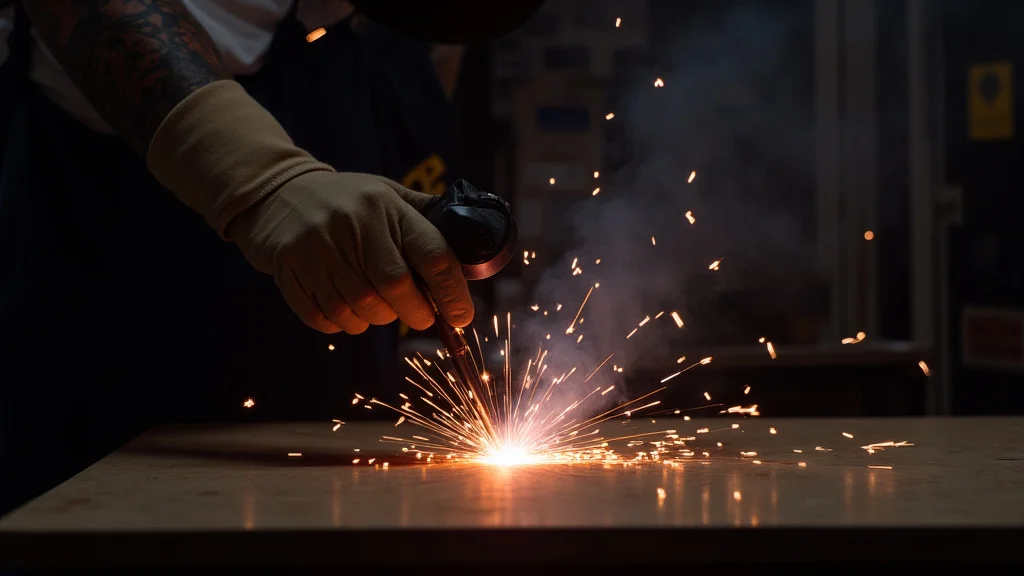
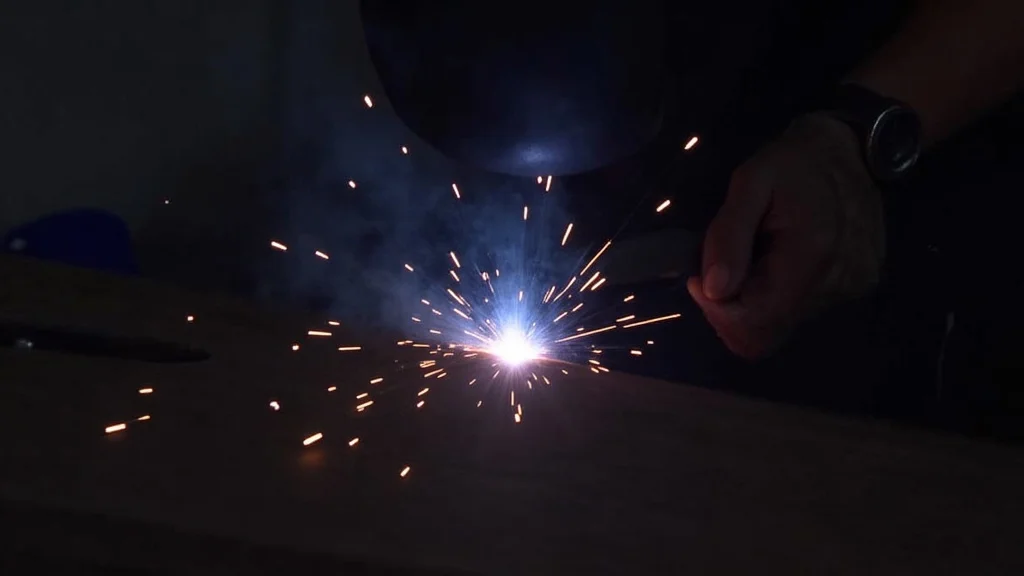
Have you ever fired up your welder, ready to get some work done, only to find it’s not putting out enough power? It can be frustrating when your Welding Machine Low Output? Step Fix becomes a problem.
For anyone just starting out, figuring out why the welder is weak can seem tricky. Don’t worry! This guide will show you exactly what to do, step by step, to get your welder back to full strength.
We’ll look at the common causes and how to fix them easily.
Key Takeaways
- You will learn the common reasons why a welding machine might have low output.
- You will discover simple checks you can do yourself to diagnose the problem.
- You will find out how to address issues with power input and connections.
- You will understand how to check and fix problems with welding cables and ground clamps.
- You will learn about basic maintenance that helps prevent low output issues.
- You will feel more confident in troubleshooting your welding machine.
Why Your Welder Might Be Weak
It’s a common problem for welders to suddenly start putting out less power than they should. This often happens when you least expect it, like mid-project. For new welders, this can be confusing because they don’t yet know what “normal” feels like or what to look for when things go wrong.
You might see a weak arc, struggle to melt metal, or get a messy weld. The good news is that most causes for a Welding Machine Low Output? Step Fix are pretty straightforward to fix.
Checking the Power Source
The first place to look when your welder isn’t performing well is the power it’s getting. A welding machine needs a strong and steady flow of electricity to work correctly. If the power source itself is weak or unstable, the welder won’t be able to produce the heat and current needed for good welds.
Is the Plug Fully Inserted?
This sounds simple, but it’s easy to overlook. Make sure the welding machine’s power plug is pushed all the way into the wall outlet or the generator socket. A loose plug can cause a poor connection, reducing the power flow.
Wiggle it a little to ensure it’s snug.
Checking the Circuit Breaker
Your welding machine, like any electrical device, is protected by a circuit breaker. If the breaker has tripped, it will cut off power. Look for a small switch on the wall outlet or on your home’s electrical panel.
If it’s in the “off” position or in the middle, reset it by pushing it firmly to the “off” position and then back to the “on” position. If it trips again immediately, there might be a bigger electrical problem you need to address.
Voltage Drop
The longer and thinner an extension cord is, the more power it can lose. This is called voltage drop. If you’re using an extension cord, make sure it’s rated for the amperage your welder needs.
It should also be as short and as thick (low gauge number) as possible. Using an underrated extension cord is a very common reason for low output. If you can, try plugging the welder directly into the wall outlet without any extension cord to see if the problem goes away.
Inspecting Welding Cables and Connections
The cables that carry electricity from your welder to your work are just as important as the welder itself. Damaged or poorly connected cables can significantly reduce the power output. Think of them as the arteries of your welding setup; if they’re blocked or leaking, the vital flow of electricity suffers.
The Ground Clamp Connection
The ground clamp is vital. It completes the electrical circuit by connecting the welding machine to the metal you are working on. If this connection is bad, power will struggle to flow.
- Cleanliness is Key: Make sure the metal surface where the clamp is attached is clean. Remove any paint, rust, dirt, or grease. A clean, bare metal surface is essential for a good electrical connection.
- Secure Grip: The clamp should be squeezed tight.
It needs to have firm, direct contact with the workpiece. A loose clamp is like trying to drink through a straw that has a hole in it – you won’t get much.
- Cable Condition: Look at the cable that connects to the ground clamp. Is it frayed, cut, or heavily damaged?
If so, it needs to be repaired or replaced.
The Electrode Holder or Gun
Similarly, the connection where the electrode holder (for stick welding) or the welding gun (for MIG or TIG welding) connects to the welding cable needs to be secure. Check for any signs of damage or looseness. A poor connection here will directly impact the arc quality.
Cable Condition
Inspect the entire length of both your welding cable and the ground cable. Look for any cuts, nicks, or signs of burning. The rubber or plastic coating on the cables protects the wires inside.
If this coating is compromised, the wires can be damaged, leading to power loss and a safety hazard. Small cuts might seem minor, but they can interrupt the flow of electricity. Heavy-duty cables are designed to handle high currents; damaged cables can’t do their job.
Maintenance and Internal Checks
Sometimes, the problem isn’t with what you can easily see. Your welding machine has internal parts that need to be in good working order. Regular maintenance can prevent many of these issues.
Dirty Air Vents
Most welding machines have cooling fans and air vents to prevent them from overheating. If these vents get clogged with dust, dirt, or metal shavings, the machine can’t cool itself properly. Overheating can cause the welder to reduce its output to protect itself.
- Use compressed air to blow out dust and debris from the vents.
- Do this regularly, especially if you work in a dusty environment.
- Make sure the machine is unplugged before you clean it.
Loose Internal Connections
While you shouldn’t open up your welder unless you’re comfortable with electrical safety, very loose internal connections can cause problems. This is less common but can happen after the machine has been dropped or subjected to vibrations. If you’ve checked all external factors and the problem persists, it might be time to consult a professional or the manufacturer’s service manual.
This is often a cause for a Welding Machine Low Output? Step Fix that requires expert attention.
Check Your Settings
This sounds obvious, but make sure your welder’s settings are correct for the type of metal you’re welding and the thickness. If you accidentally set the amperage too low, you will get a weak arc. Refer to your welder’s manual or charts that suggest settings for different materials and thicknesses.
Sometimes, a beginner might not realize they’ve bumped a dial or selected the wrong program.
Troubleshooting Specific Welder Types
Different types of welders have their own specific points to check for low output issues.
Stick Welders (SMAW)
For stick welding, the electrode itself can be an issue.
- Electrode Type and Size: Ensure you are using the correct type and diameter of electrode for your machine and the job. Using a larger electrode than your machine can handle might result in a weaker arc.
- Damp Electrodes: Electrodes can absorb moisture from the air.
Damp electrodes can lead to poor arc stability and low output. Store electrodes in a dry place, and use a rod oven if recommended for the type you are using.
MIG Welders (GMAW)
MIG welding involves wire feed, gas, and contact tips.
Wire Feed Issues: If the wire isn’t feeding smoothly, it can lead to an inconsistent and weak arc.
- Check the Drive Rollers: Make sure the drive rollers are clean and have the correct tension. Too tight, and they can crush the wire; too loose, and they can slip.
- Clean the Liner: The wire liner inside the welding gun can become clogged with debris.
This restricts wire movement.
- Contact Tip: The contact tip wears out over time. A worn or dirty tip can cause poor electrical contact with the wire, leading to low heat. Replace it if it looks damaged or enlarged.
Gas Flow: If you’re using a MIG welder with shielding gas, an inadequate gas flow will lead to a weak and unstable arc. Check your gas cylinder pressure and the flow rate on your regulator. A leak in the gas hose or a faulty regulator can also cause problems.
TIG Welders (GTAW)
TIG welding relies on precise control of amperage and gas.
Tungsten Electrode: The condition of the tungsten electrode is critical. If it’s damaged, not properly sharpened, or contaminated, it can lead to arc instability and low heat. Ensure it’s sharp and clean.
Argon Flow: Like MIG, TIG welding uses shielding gas. Check your argon cylinder and regulator to ensure adequate gas flow is reaching the weld puddle.
Foot Pedal/Torch Control: Ensure your foot pedal or torch amperage control is functioning correctly and making good electrical contact.
Frequently Asked Questions
Question: My welder is making a buzzing sound but not producing enough heat. What could be wrong?
Answer: A buzzing sound could indicate a loose connection somewhere in the machine or the cables. Check your ground clamp, electrode holder, and cable connections first. If those are secure, it might be an internal issue.
Question: Can a dirty welding machine cause low output?
Answer: Yes, a dirty welding machine, especially with clogged air vents, can overheat and reduce its output to protect internal components. Regular cleaning is important.
Question: How often should I check my welding cables?
Answer: It’s a good practice to visually inspect your welding cables before each use. Look for any signs of damage like cuts, abrasions, or burning. Check connections for tightness.
Question: My stick welder is not striking an arc easily. Is this low output?
Answer: Difficulty striking an arc can be a sign of low output or poor connection. Ensure your ground clamp is on clean metal, your electrode is suitable, and your machine’s settings are appropriate.
Question: What if I’ve tried everything and still have low output?
Answer: If you’ve checked power, cables, connections, and performed basic maintenance without success, the issue might be internal to the welding machine. It’s best to consult the manufacturer’s service manual or contact a qualified repair technician.
Final Thoughts
You’ve learned that fixing a Welding Machine Low Output? Step Fix often comes down to checking the basics. Power supply, clean connections, good cables, and proper maintenance are key.
Don’t let a weak arc stop your projects. By following these steps, you can get your welder working strong again. Keep practicing and checking your gear!