Welding spatter can seem like a big puzzle when you’re just starting out. It’s those little blobs of metal that fly off and stick where they shouldn’t. Learning What Are the Common Causes of Welding Spatter? is super common because it happens to nearly everyone new to welding.
But don’t worry! We’ll break it down simply. We’ll show you exactly why it happens and how to fix it, step by step.
After this, you’ll know how to make your welds cleaner and tidier.
Key Takeaways
- Spatter happens when welding wire melts too fast or too much.
- Using the wrong voltage or amperage is a big reason for spatter.
- Poor wire stick-out causes spatter because the wire gets too hot before melting.
- The type of shielding gas and its flow rate greatly affect spatter.
- Dirty metal or contaminants on the welding surface lead to splattering.
- Incorrect welding technique, like digging too deep or too shallow, causes spatter.
What is Welding Spatter?
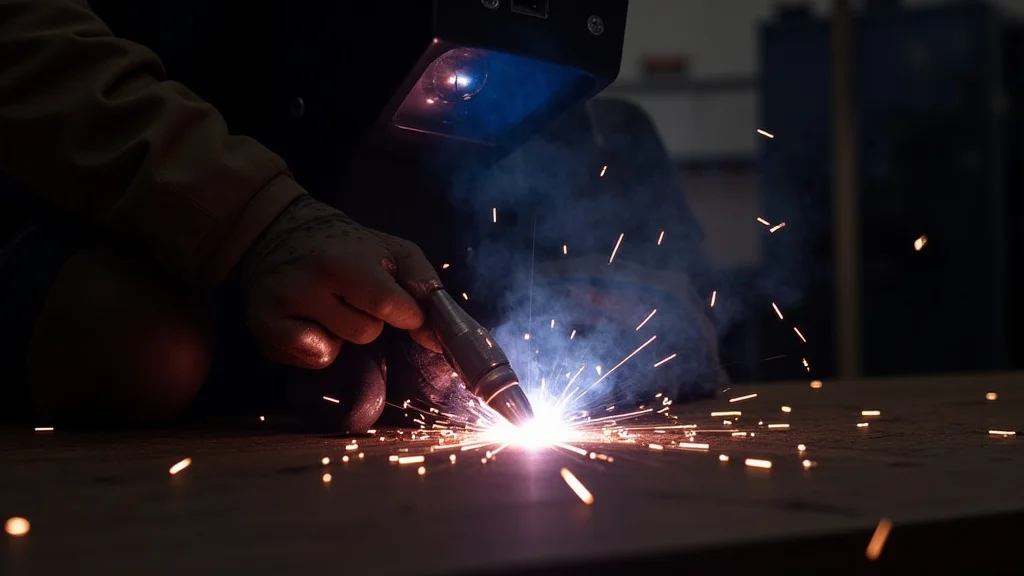
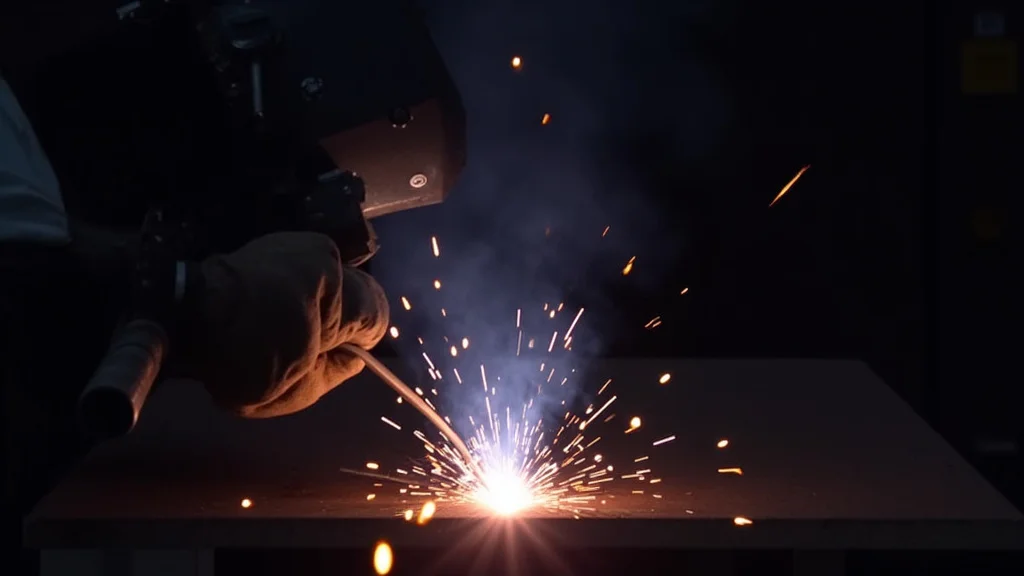
Welding spatter is small droplets of molten metal that break away from the weld pool. They fly through the air and stick to the surrounding base metal or the welding equipment. While some spatter is normal, excessive spatter can be a nuisance.
It makes your finished welds look messy and can even create weak spots if it sticks to areas that aren’t part of the weld. For beginners, it’s often a sign that something in the welding process isn’t quite right.
Why Does Welding Spatter Happen?
Many things can cause welding spatter. It’s usually a combination of factors related to the welding machine settings, the materials you’re using, and how you’re holding the welding torch or gun. Think of it like cooking: if your oven is too hot or you use the wrong ingredients, your food might burn or turn out strangely.
Welding is similar. When the metal melts too quickly or unevenly, it can break apart and spray everywhere.
Common Causes of Welding Spatter
1. Incorrect Voltage and Amperage Settings
This is perhaps the most common culprit. Your welding machine has settings for voltage and amperage (which controls the current). These settings tell the welding wire how fast to melt and how deep the weld should penetrate.
Too High Voltage/Amperage
If your voltage or amperage is too high, the welding wire melts too quickly. This causes too much molten metal to form at the tip of the wire. The force of the arc then blows this molten metal away from the weld pool, creating spatter.
It’s like trying to melt a chocolate bar with a blowtorch; it just melts too fast and sprays everywhere.
Too Low Voltage/Amperage
Conversely, if the settings are too low, the arc might not be strong enough to create a smooth, stable weld pool. This can lead to an unstable arc, causing the wire to sputter and melt unevenly, resulting in spatter.
2. Improper Wire Stick-Out
Wire stick-out, also called contact tip to work distance (CTWD), is the length of welding wire that extends beyond the tip of the welding gun. This measurement is very important.
Too Much Stick-Out
When the wire stick-out is too long, the wire has more time to heat up before it reaches the arc and melts. This preheating can cause the wire to melt too quickly and sputter. It also makes the arc less focused, allowing molten metal to escape.
A good rule of thumb for many MIG welding processes is about 1/2 inch to 3/4 inch (13mm to 19mm) of stick-out.
Too Little Stick-Out
If the wire stick-out is too short, the welding gun’s tip might get too close to the weld pool. This can cause the tip to get coated in molten metal, leading to an unstable arc and spatter. In severe cases, you might even accidentally weld the contact tip to the workpiece, which is a costly mistake.
3. Shielding Gas Issues
Shielding gas is used in many welding processes (like MIG and TIG) to protect the molten weld pool from contamination by the atmosphere. It prevents oxygen and nitrogen from weakening the weld. The type and flow rate of the gas are critical.
Incorrect Gas Type
Different metals and welding processes require specific types of shielding gas. For example, using a pure argon gas on steel might not be ideal and can lead to more spatter. For steel, a blend of argon and CO2 or a tri-mix gas is often preferred.
Using the wrong gas can change how the metal melts and transfers, causing spatter.
Incorrect Gas Flow Rate
If the shielding gas flow rate is too low, there isn’t enough protection for the weld pool. This allows air to get in, causing an unstable arc and spatter. If the flow rate is too high, the gas can blow across the weld pool, disrupting it and also causing spatter.
Imagine trying to blow out a candle with a leaf blower; the wind is too strong. You need a gentle, steady stream.
4. Contamination on the Base Metal
The surface you are welding needs to be clean. Dirt, rust, paint, oil, or any other foreign material on the base metal can cause problems.
How Contamination Causes Spatter
When the arc hits a contaminated spot, the contaminants can vaporize explosively. This rapid vaporization creates a small explosion that blows molten metal away from the weld pool, creating spatter. It’s like throwing a wet rock into a hot fire; it hisses and might even pop.
Importance of Cleaning
Always clean the metal thoroughly before welding. This usually involves using a wire brush, a grinder, or a degreaser to remove any unwanted substances. Clean metal ensures a smooth, consistent transfer of molten metal and a cleaner weld.
5. Incorrect Welding Technique
The way you hold and move the welding gun also plays a significant role in spatter.
Travel Speed
If you move the welding gun too fast, you won’t allow enough molten metal to deposit and form a solid bead. This can result in a narrow, weak weld with lots of spatter. If you move too slowly, you can overheat the area, causing the metal to melt too much and leading to excessive spatter and potential burn-through.
Torch Angle
The angle of your welding torch matters. For MIG welding, a slight push or pull angle is usually recommended depending on the process and materials. An incorrect angle can disrupt the gas shield and affect the arc stability, leading to spatter.
Arc Length
Similar to wire stick-out, maintaining a consistent arc length is important. A long arc can lead to a less focused weld and more spatter. A short arc can sometimes cause the wire to dip into the weld pool and stick, which is also problematic.
6. Wrong Wire Speed for the Application
In MIG welding, the wire speed control is directly related to the amperage. If you set the wire speed too high for the voltage you are using, you are essentially trying to push too much wire into the arc, causing it to melt too quickly and sputter. If it’s too low, you won’t get enough heat and penetration.
7. Using the Wrong Wire Type
Just like with shielding gas, the welding wire needs to be suitable for the material you are welding. Using a mild steel wire on stainless steel, or vice versa, will result in poor weld quality and likely significant spatter. Always match your wire to your base metal.
8. Problems with the Welding Gun or Consumables
Worn-out or damaged parts on your welding gun can also cause spatter.
Contact Tip Wear
The contact tip is where the welding wire passes through and makes electrical contact. If the hole in the tip becomes enlarged or misshapen due to wear, it can cause inconsistent wire feeding and poor electrical contact, leading to an unstable arc and spatter. It’s essential to replace contact tips when they show signs of wear.
Dirty or Damaged Nozzle
The welding gun nozzle directs the shielding gas. If it’s dirty from spatter buildup or damaged, it can impede the gas flow and create turbulence, affecting the shielding and causing spatter.
9. Electrical Grounding Issues
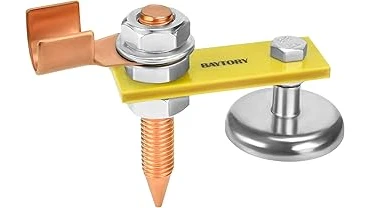
A good electrical connection between the welding machine and the workpiece is vital for a stable arc. If the ground clamp is loose, dirty, or the cable is damaged, it can cause intermittent electrical contact. This instability in the electrical circuit leads to a fluctuating arc and increased spatter.
Troubleshooting Spatter: A Quick Guide
When you notice spatter, don’t panic! Take a moment to check a few things:
- Settings: Are your voltage and amperage (or wire speed) set correctly for the thickness of the metal and the type of wire you’re using? Consult your welding machine’s manual or charts for guidance.
- Stick-Out: Is your wire stick-out consistent and within the recommended range?
- Gas: Is your shielding gas flowing at the correct rate, and are you using the right type of gas for your application?
- Cleanliness: Is the metal you’re welding clean and free of rust, oil, or paint?
- Equipment: Are your contact tip and nozzle clean and in good condition? Is your ground clamp making a solid connection?
Frequently Asked Questions
Question: Why does my MIG welder produce so much spatter?
Answer: Excessive spatter in MIG welding is often caused by settings that are too high, too much wire stick-out, insufficient or incorrect shielding gas, or dirty base metal. Adjusting these factors can significantly reduce spatter.
Question: How can I reduce spatter on my welds?
Answer: To reduce spatter, ensure your voltage and wire speed are set appropriately, maintain a consistent and correct wire stick-out, use the correct type and flow rate of shielding gas, and always weld on clean metal. Also, check your contact tip for wear.
Question: Is a little bit of spatter normal?
Answer: Yes, a small amount of spatter is generally considered normal, especially with certain welding processes or materials. The goal is to minimize it, not necessarily eliminate it completely, as long as it doesn’t affect weld quality or appearance.
Question: What does it mean if the welding wire sticks to the contact tip?
Answer: When the welding wire sticks to the contact tip, it usually means your wire stick-out is too short, your voltage is too low, or your wire speed is too high. This leads to an unstable arc and spatter.
Question: Can bad grounding cause welding spatter?
Answer: Yes, a poor or intermittent electrical ground connection can cause an unstable arc, leading to inconsistent melting and increased welding spatter. Ensure your ground clamp is clean and making solid contact with the workpiece.
Final Thoughts
Understanding What Are the Common Causes of Welding Spatter? is key to making better welds. You learned that settings like voltage and amperage, along with how far your wire sticks out, are super important. We also covered how shielding gas and clean metal make a big difference.
Even your welding technique and the condition of your equipment matter a lot. By checking these common issues, you can make your welds look much cleaner. Keep practicing these tips, and you’ll see improvement quickly!