When you’re TIG welding and suddenly the arc cuts out, it can be really frustrating, especially if you’re new to it. It feels like the machine just stops working for no reason. But don’t worry!
This common problem is usually pretty simple to fix. We’ll go through the easy steps to figure out why your TIG Welder Arc Cutting Out? Step Troubleshoot is happening and get you back to welding smoothly.
Let’s look at what might be going wrong.
Key Takeaways
- You will learn the most common reasons why a TIG welder’s arc might cut out unexpectedly.
- We will cover simple checks for power supply and connections that often solve the issue.
- Discover how gas flow problems can cause arc interruptions and how to fix them.
- Understand the role of tungsten and its impact on a stable arc.
- Learn about amperage settings and how they relate to arc stability.
- You’ll get a clear, step-by-step guide to troubleshoot your TIG welder arc issues.
Why Does a TIG Welder Arc Cut Out?
Power Supply Issues
The most basic reason for your TIG welder’s arc to cut out is a problem with the power it’s getting. Think of it like a light bulb. If it’s not plugged in, it won’t turn on.
Your welder is the same.
First, check if the welder is plugged in securely. Sometimes, the plug can get loose, especially if you’re moving the machine around. Make sure the outlet itself is working.
You can test this by plugging in another device you know works.
Look at the power cord for any damage. Are there any cuts, nicks, or frayed wires? Damaged cords are dangerous and can stop the welder from working.
If you see damage, do not use the welder. You’ll need to get the cord repaired or replaced by someone who knows how to do it safely.
Circuit Breaker Trips
Welders use a lot of power. Sometimes, they can draw more power than the circuit can handle. This is when the circuit breaker trips.
It’s a safety feature designed to stop fires.
If your arc cuts out, check your building’s electrical panel for a tripped breaker. It will usually be in the “off” position or somewhere in between “on” and “off.” If you find one, flip it completely to “off” and then back to “on.”
If the breaker trips again right away, you might have a bigger issue. The welder could be drawing too much current, or there might be a problem with the circuit itself. For safety, it’s best to call an electrician if this keeps happening.
Ground Clamp Connection
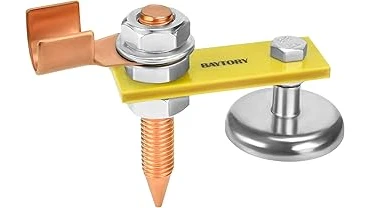
A good ground connection is super important for TIG welding. It completes the electrical circuit. If the ground clamp isn’t making a solid connection, the arc can be weak or cut out entirely.
Make sure your ground clamp is attached firmly to the metal you are welding. It needs to be on clean metal. Rust, paint, or dirt can get in the way of a good connection.
Clean the spot where the clamp is attached with a wire brush. You want to see shiny metal. Also, check the cable connecting the clamp to the welder.
Is it damaged or loose?
Argon Gas Flow Problems
TIG welding uses a shielding gas, usually argon, to protect the weld from air. If the gas isn’t flowing correctly, the arc can become unstable and stop working.
The first thing to check is your argon cylinder. Is the valve open? Is there gas left in the tank?
You can usually tell by looking at the pressure gauge on the regulator.
Next, look at the flowmeter. It should show a certain number of cubic feet per hour (CFH) when you start welding. A typical setting for TIG welding is around 15-25 CFH.
If the gauge reads zero or very low, the gas isn’t flowing properly.
Check the hose connecting the cylinder to the welder. Are there any kinks or leaks? A leak can let all the gas escape before it reaches the torch.
Sometimes, the solenoid valve inside the welder, which controls the gas flow, can get stuck. If you hear a click when you start welding but no gas comes out, this might be the problem.
Tungsten Electrode Issues
The tungsten electrode is what creates the arc. If it’s not in good condition, it can cause the arc to fail.
After welding for a while, the tip of the tungsten can become dull or balled up. This makes the arc wander and become unstable. You need to grind the tungsten to a sharp point, but not too sharp.
A slight taper is good.
Make sure you are using the correct type of tungsten for the metal you are welding. Different metals work best with different tungsten alloys. For example, pure tungsten is generally not recommended for AC welding.
Also, check that the tungsten electrode is properly seated in the collet of your TIG torch. If it’s loose, it won’t conduct electricity well.
Amperage Settings and Travel Speed
Your amperage setting needs to be right for the thickness of the metal you’re welding. If the amperage is too low, you won’t have enough power to create a stable arc, and it might cut out.
If the amperage is too high, you might be burning through the metal too quickly, which can also lead to arc instability. There are charts available that give you good starting points for amperage based on metal thickness and type.
Your travel speed also plays a role. If you move the torch too fast, you won’t give the arc enough time to melt and fuse the metal. If you move too slowly, you can overheat the area and cause problems.
Experiment with your settings. Try increasing the amperage slightly or slowing down your travel speed to see if that helps maintain a steady arc.
High-Frequency (HF) Start Issues
Many TIG welders use high frequency to start the arc. This is a high-voltage spark that jumps across the gap between the tungsten and the workpiece. If this isn’t working correctly, the arc won’t start or will cut out immediately.
Check the HF start setting on your welder. Is it turned on? Some welders have adjustable HF intensity.
If it’s set too low, it might not be strong enough to initiate the arc.
The HF start can also be affected by the distance between the tungsten and the workpiece. Keep the tungsten tip close to the metal when you start. Also, ensure there are no other metal objects too close to where you are welding, as they can interfere with the HF start.
Sometimes, the HF start circuit itself can have a problem. If you’ve tried everything else, this might be something a repair technician needs to look at.
Workpiece Contamination
The surface of the metal you’re welding needs to be clean. Any oil, grease, paint, or rust can interfere with the arc.
Before you start welding, always clean the area thoroughly with a degreaser and a stainless steel wire brush. For aluminum, you might need a specific aluminum brush and cleaner. Contaminants create weak spots and can cause the arc to sputter and die.
Loose Connections Inside the Welder
Less common for beginners, but still possible, are loose internal connections within the welder itself. This could be wires that have vibrated loose over time.
If you’ve checked all external factors and the problem persists, it might be time to open up the welder (only if you are qualified and comfortable doing so, and always unplugged first!). Look for any obvious loose wires or connections. However, if you’re not experienced with electronics, it’s much safer to take it to a qualified repair person.
Frequently Asked Questions
Question: My TIG arc keeps flickering and cutting out. What’s the most likely cause?
Answer: The most common reasons for a flickering or cutting out arc are poor ground connection, dirty workpiece, or issues with argon gas flow. Start by checking your ground clamp and cleaning the metal surface.
Question: I just turned on my TIG welder and the arc won’t even start. What should I check first?
Answer: First, ensure the welder is plugged in and the power switch is on. Then, check your circuit breaker to see if it has tripped. If those are fine, verify that your gas cylinder valve is open.
Question: Can my tungsten electrode affect the arc cutting out?
Answer: Yes, a dull, balled-up, or incorrect type of tungsten electrode can cause an unstable arc that may cut out. Ensure your tungsten is sharpened correctly and is the right type for your job.
Question: I think my argon gas is running out. How will that affect the arc?
Answer: If your argon gas is low or not flowing, the arc will become unstable and likely cut out because the weld pool is not being protected from the air.
Question: My TIG arc starts but then immediately cuts out. What does this mean?
Answer: This often points to a problem with the high-frequency start circuit not engaging properly or a very weak ground connection that can’t sustain the arc once it’s initiated.
Final Thoughts
You’ve learned why your TIG Welder Arc Cutting Out? Step Troubleshoot can happen. We covered checking power, gas, and your tungsten.
We also looked at how clean metal and correct settings help. These steps should help you fix most common issues. Getting your TIG welder arc to stay strong is about checking the basics.
Keep these tips in mind, and you’ll be welding with confidence again soon.