If you’re new to TIG welding, you might run into a common issue: tungsten contamination. It can be frustrating when your welds aren’t clean, and figuring out why feels like a puzzle. But don’t worry!
We’ll show you how to fix TIG Welder Tungsten Contamination? Fix Fast with simple steps. Get ready to make your welds better than ever.
We’ll cover what causes it and how to stop it right away.
Key Takeaways
- You’ll learn what causes tungsten to get into your TIG welds.
- Discover the easy ways to prevent tungsten contamination from happening.
- Understand how to clean up contaminated tungsten electrodes.
- Find out how to adjust your TIG welding technique for cleaner results.
- Learn about the right TIG welding consumables that help avoid problems.
What is TIG Welder Tungsten Contamination?
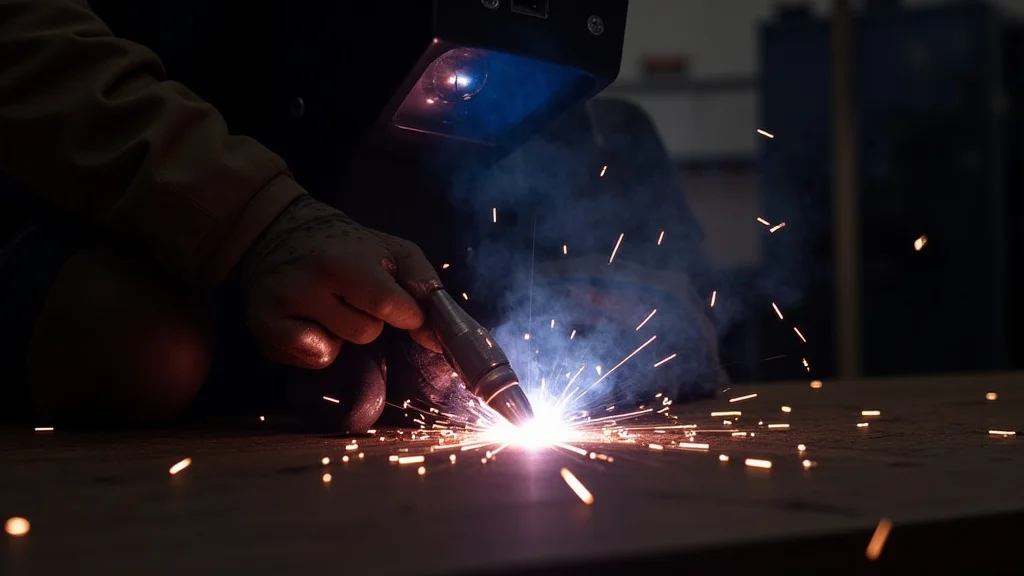
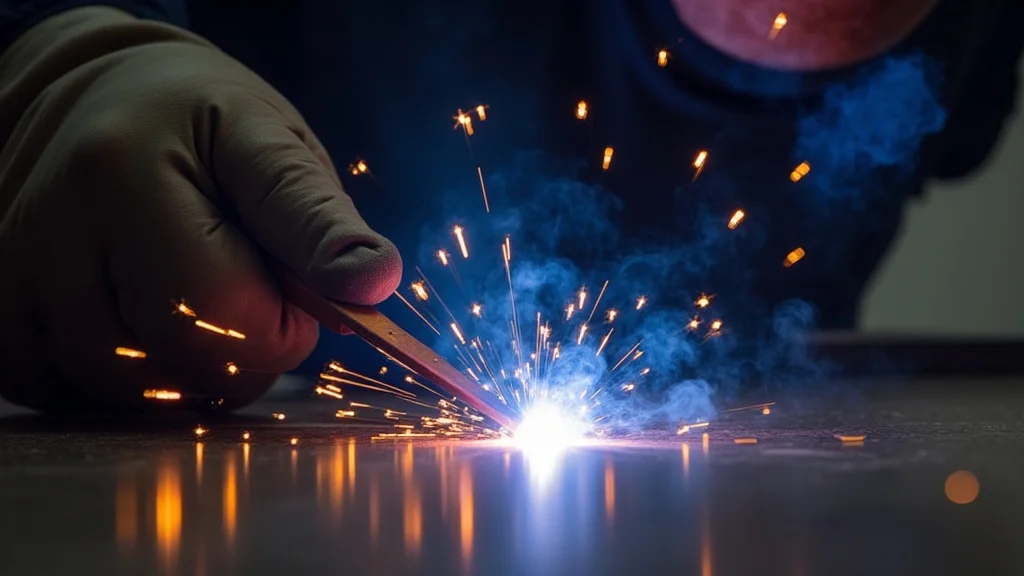
TIG welding is a great way to make strong, clean welds. But sometimes, tiny bits of the tungsten electrode can break off and get stuck in your weld. This is called tungsten contamination.
It’s like getting little gray or black specks in your nice, shiny weld. These specks aren’t just ugly; they can also weaken the weld and cause problems later on.
For people just starting out with TIG welding, this is a very common challenge. It’s easy to accidentally touch the tungsten to your workpiece or filler metal. When this happens, the tungsten can melt or break.
It’s a frustrating part of learning, but it’s a fixable problem.
Why Does Tungsten Contamination Happen?
There are a few main reasons why your tungsten might be getting into your welds. Knowing these reasons is the first step to fixing it. It’s usually a small mistake in how you’re holding the torch or how you’re adding filler metal.
Touching the Tungsten to the Weld Pool
This is the most frequent cause of tungsten contamination. When the tip of your tungsten electrode touches the molten weld pool, it will contaminate. The intense heat of the arc can melt the tungsten, and pieces can break off into the liquid metal.
This usually happens when you’re trying to add filler metal and get a little too close.
Sometimes, the electrode might bend or be too long, making it harder to control. If the torch angle is off, you might also accidentally dip the tungsten. Keeping a consistent distance is key.
Incorrect Tungsten Sharpening
The shape of your tungsten electrode’s tip is very important. For most DC TIG welding, you want a nice, pointed tip. If the tip is rounded or dull, the arc can be less stable.
An unstable arc can wander and might splash molten metal onto the tungsten, or the tungsten itself might break more easily.
If you’re using AC TIG welding for aluminum, the tungsten tip is usually balled. Trying to weld aluminum with a sharp tungsten can lead to issues. Always use the right shape for the metal you’re welding.
Electrode Angle
How you hold the TIG torch matters a lot. If you tilt the torch too much, especially towards the front, the tungsten can get too close to the weld pool. This increases the chance of accidental contact.
It’s best to keep the torch relatively straight, angled just slightly to guide the arc where you want it. Imagine you’re pointing a pen; you don’t want to bend it too much at the tip.
Wrong Gas Flow or Shielding Issues
The shielding gas, usually Argon, protects the molten weld pool from the air. If the gas flow is too low, the gas might not fully cover the weld area. This can let oxygen and nitrogen from the air get into the molten metal.
It can also cause the tungsten to oxidize and erode faster, leading to contamination.
Wind or drafts can also blow the shielding gas away. This is especially a problem when welding outdoors or in breezy areas. You might need to use a wind shield or increase your gas flow slightly if you’re in a drafty spot.
Using the Wrong Type of Tungsten
There are different types of tungsten electrodes, each with a different color band and composition. Some are better for certain metals or welding processes than others. For example, pure tungsten (green band) is mostly used for AC welding of aluminum and magnesium.
Lanthanated (blue band) and Ceriated (gray band) tungstens are excellent all-around electrodes for DC welding and are becoming popular for AC too. Using a tungsten that isn’t suited for your specific job can lead to arc instability and contamination. Always check what type of tungsten is recommended for your application.
Contaminated Filler Metal or Base Metal
Even if your tungsten and technique are good, contamination can still happen if your filler metal or the base metal itself is dirty. Oil, grease, paint, or rust on the metal can cause impurities to enter the weld. When you add filler metal that has these contaminants, it can affect the weld quality and even cause the tungsten to sputter.
Always clean your base metal thoroughly with a stainless steel wire brush and a degreaser before you start welding. Do the same for your filler metal rods.
How to Fix TIG Welder Tungsten Contamination? Fix Fast
Now that you know why it happens, let’s talk about how to fix it quickly and prevent it from happening again. It’s mostly about careful technique and a little bit of preparation.
1. Stop Welding and Inspect
As soon as you see or suspect tungsten contamination, stop welding immediately. Pull the torch away from the workpiece. Look closely at your tungsten electrode.
Is it still sharp and pointed (or balled, if you’re welding aluminum)? Is there any metal stuck to it?
If you see metal stuck to the tungsten, or if the tip looks melted or broken, you need to address it. Don’t try to weld over it; you’ll just spread the contamination.
2. Clean or Re-Grind Your Tungsten
If the tungsten is only slightly contaminated, you might be able to clean it carefully. Use a clean wire brush (that you only use for tungsten!) to gently wipe off any small specks. However, this is usually a temporary fix.
The best way to fix contaminated tungsten is to re-grind it. You can use a dedicated tungsten grinder. Make sure the grinder has a clean grinding wheel that is specifically for tungsten.
This prevents cross-contamination from other metals.
For DC welding, grind the tungsten to a sharp point. The point should be long and fine. For AC welding of aluminum, you want to form a rounded or balled tip.
3. Check and Adjust Your Technique
This is where you’ll see the biggest improvement. Focus on these key areas:
- Electrode Stick-Out: Keep the tungsten electrode sticking out of the torch cup just enough to establish your arc, but no more. Usually, about 1/4 inch to 1/2 inch (6-12 mm) is plenty. Less is often more for control.
- Torch Angle: Hold the torch so it’s almost straight up and down, with a slight forward angle to direct the arc. Avoid tilting it too much, which can bring the tungsten close to the workpiece.
- Filler Metal Addition: When adding filler metal, introduce it into the leading edge of the weld puddle, not directly under the arc. Try to avoid touching the filler rod to the tungsten electrode. Keep a consistent rhythm.
- Arc Length: Maintain a consistent arc length. The arc is the gap between the tungsten and the workpiece. If the arc is too long, the arc can become unstable and wander. If it’s too short, you risk dipping the tungsten.
4. Ensure Proper Gas Flow
Double-check your argon flow rate. For most TIG welding, a flow rate of 15-25 cubic feet per hour (CFH) is common. If you’re welding outside or in a drafty area, you might need to increase it slightly or use a wind shield.
Make sure your gas lens is clean and not damaged. A gas lens helps direct the shielding gas more effectively and allows you to extend the tungsten further out of the cup if needed, without losing gas coverage.
5. Verify Tungsten Type and Condition
Are you using the right type of tungsten for your metal and current type (AC/DC)? For steel and stainless steel (DC), a 2% lanthanated (blue band) or ceriated (gray band) tungsten is usually a great choice. For aluminum (AC), pure tungsten (green band) or a zirconiated tungsten can work well, though many find lanthanated also performs well on AC.
Also, check the condition of the tungsten. If it’s constantly breaking or eroding too quickly, there might be an underlying issue with your setup, your tungsten type, or your technique.
6. Clean Your Materials
Never skip cleaning. Use a stainless steel wire brush dedicated to TIG welding and a good degreaser (like acetone or a specialized metal cleaner) to remove any oils, dirt, or oxides from your base metal and filler rods. Cleanliness is paramount for good welds.
Preventing Future Tungsten Contamination
The best way to deal with TIG Welder Tungsten Contamination? Fix Fast is to prevent it in the first place. It all comes down to good habits and paying attention.
Practice maintaining a consistent arc length and distance. Try welding on scrap pieces of metal to get a feel for the torch movement and filler rod addition. Watch experienced TIG welders if you can; observe their torch angles and how they add filler.
Keep your tungsten electrodes sharp and clean. Have spare electrodes handy so you can quickly swap out a contaminated one if needed. A good set of tools, including a dedicated tungsten grinder, makes this much easier.
Remember, even experienced welders occasionally dip their tungsten. The key is to recognize it, stop, fix it, and learn from it. Don’t get discouraged; each weld is a learning opportunity.
Frequently Asked Questions
Question: How often should I re-grind my tungsten electrode?
Answer: You should re-grind your tungsten whenever it becomes contaminated, blunted, or starts to erode too quickly. For most applications, this might be after every few minutes of welding or as soon as you notice arc instability or contamination.
Question: Can I use the same tungsten for steel and aluminum?
Answer: While some tungstens like 2% lanthanated can work on both, it’s generally best practice to use different tungstens for steel and aluminum. Using a dedicated tungsten for aluminum can prevent contamination of your steel welds, and vice versa. Aluminum welding often requires a balled tip, while steel uses a pointed tip.
Question: What happens if I don’t fix tungsten contamination?
Answer: Tungsten contamination can lead to weak welds, porosity (small holes), and a rough, uneven weld bead. It can also make it harder to maintain a stable arc for future welds, leading to more contamination.
Question: Is it okay if my tungsten gets a little bit dull?
Answer: A slightly dull tungsten can sometimes still produce a decent weld, but it will likely be less stable and harder to control. For the best quality welds and ease of use, it’s always better to keep your tungsten properly sharpened to a fine point for DC or balled for AC.
Question: How do I know if my shielding gas is working correctly?
Answer: You can tell your shielding gas is working well if you have a steady, stable arc and the weld puddle is shiny and clean. If the weld looks dull, oxidized, or if you see spatter and porosity, your shielding gas might be insufficient or disrupted.
Final Thoughts
Fixing TIG Welder Tungsten Contamination? Fix Fast is all about knowing the causes and using simple solutions. Keep your tungsten sharp, your technique steady, and your materials clean.
Pay attention to your arc and your shielding gas. Small adjustments make a big difference. With practice, you’ll get cleaner welds and a much better welding experience.
You’ve got this!