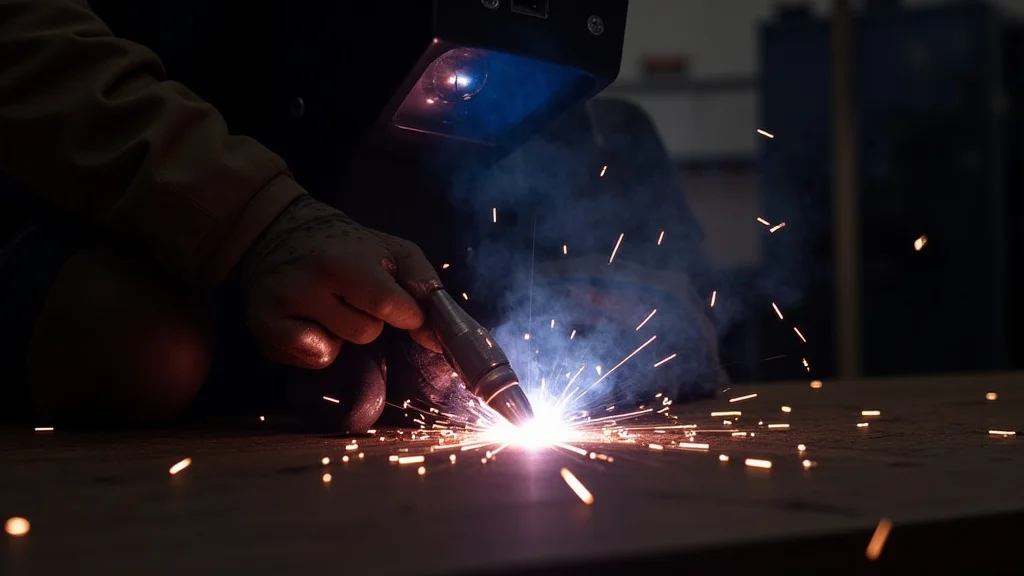
Figuring out How Do You Adjust TIG Welder Tungsten Correctly? can seem tricky when you’re just starting out with TIG welding. It’s easy to get confused by all the different types of tungsten and what works best. But don’t worry!
We’ll walk through it step-by-step to make it super simple. Get ready to learn how to prepare your tungsten so your welds look great.
Key Takeaways
- You’ll learn the main reasons why tungsten needs to be shaped for TIG welding.
- Discover the different shapes tungsten can have and when to use them.
- Understand how the tungsten’s point affects the weld puddle and arc.
- Learn the basic tools and methods for sharpening tungsten.
- Find out how to tell if your tungsten is shaped right for your weld.
Why Tungsten Matters in TIG Welding
The Heart of the Arc
The tungsten electrode is a really important part of TIG welding. It’s what creates the electric arc that melts your metal. Because it’s so key, how you shape and use it makes a big difference in your welds.
When you don’t have the tungsten ready the right way, your arc can be unstable. This means your weld might not be clean or strong. It can also make it harder to control the heat and the melting metal.
That’s why knowing How Do You Adjust TIG Welder Tungsten Correctly? is a big deal for any welder.
Different Metals, Different Needs
Different metals you weld need different kinds of TIG welding. Some metals are thick and need a lot of heat. Others are thin and need very precise heat control.
The way you shape your tungsten electrode helps you manage this heat and control the arc much better.
For example, welding steel is different from welding aluminum. The type of tungsten you use and how you grind its tip will change based on what you’re working on. This adjustment is like tuning an instrument to get the best sound; you tune your tungsten for the best weld.
Types of Tungsten Electrodes
Pure Tungsten
Pure tungsten (often colored green) was one of the first types used. It’s good for AC welding, especially on aluminum and magnesium. However, it tends to ball up at the tip, which can make the arc less stable.
Because it balls up, you get a rounder tip. This isn’t ideal for precise control or for getting a sharp, focused arc. Pure tungsten is used less often now because other types offer better performance for most jobs.
Thoriated Tungsten
Thoriated tungsten (red tip) has thorium added to it. This helps it start the arc easier and makes it more stable. It’s good for DC welding on metals like steel, stainless steel, nickel, and titanium.
It gives a steady arc and lasts a good while.
One thing to know is that thorium is radioactive, so you need to be careful when grinding it to avoid breathing in dust. Many welders have moved away from thoriated tungsten due to this concern.
Ceriated Tungsten
Ceriated tungsten (gray tip) has cerium added. It’s a good all-around choice for both AC and DC welding, and it’s a popular alternative to thoriated tungsten because it’s not radioactive. It works well on steel, aluminum, and other common metals.
Ceriated tungsten offers a stable arc and is great for lower amperage welding. It’s a safe and effective option for many different welding tasks, making it a favorite for hobbyists and professionals alike.
Lanthanated Tungsten
Lanthanated tungsten (blue tip, gold tip, or black tip depending on percentage) is another excellent choice. It performs well on both AC and DC and is known for its ability to hold a sharp point. This makes it ideal for precise welding.
The different percentages of lanthanum (usually 1.5% or 2%) affect its performance. The blue tip (1.5% lanthanum) is a good general-purpose tungsten. The gold tip (2% lanthanum) is often preferred for its excellent arc stability and performance across a wide range of amperages.
Zirconiated Tungsten
Zirconiated tungsten (white tip) is best for AC welding, especially on aluminum. It has great resistance to contamination and helps create a very stable, clean arc. It tends to form a ball at the tip but in a more controlled way than pure tungsten.
This type is good when you need a smooth, clean weld on aluminum and don’t want the tungsten to break down too much. It’s a solid choice for high-quality AC welds.
Shaping Your Tungsten: The Key to a Good Arc
Why a Point Matters
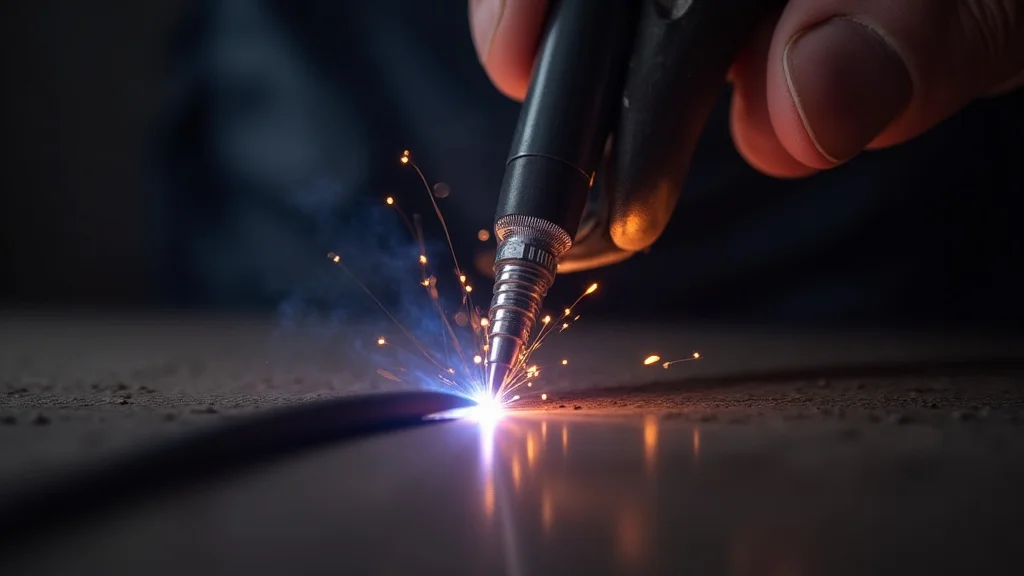
The shape of your tungsten electrode’s tip is super important for TIG welding. A properly shaped tungsten electrode helps to create a focused and stable arc. This focused arc means more heat is directed exactly where you need it, leading to better control over the weld puddle.
When the tungsten has a sharp, consistent point, the electricity can flow more smoothly. This prevents the arc from wandering or becoming erratic. Think of it like a pencil; a sharp point allows for finer details, and a sharp tungsten allows for finer control over your weld.
Grinding Your Tungsten
You’ll need a grinder to shape your tungsten. A dedicated tungsten grinder is best because it grinds longitudinally (along the length of the tungsten). This creates a smooth, consistent taper.
If you don’t have a special grinder, you can use a bench grinder, but be very careful. Always grind the tungsten in one direction only, from the shank towards the tip. This makes sure the grind lines run straight and don’t create a rough surface.
Never spin the tungsten against the grinder wheel, as this creates microscopic fractures that can break off into your weld.
The Taper Angle
The angle of the taper on your tungsten electrode affects the arc. A longer, sharper taper usually provides a more focused arc, which is good for lower amperages and precise work. A shorter, blunter taper can handle higher amperages and is often used for general-purpose welding.
For most DC welding, a taper of about 25 to 30 degrees is common. For AC welding on aluminum, you might want a slightly blunter tip, or even a balled tip for very thin materials, but a sharp point is generally preferred for control.
Balding the Tungsten
Sometimes, for AC welding on aluminum, especially at lower amperages, welders will intentionally let the tip ball up. This rounded tip can help create a wider, more diffuse arc. It can also be more stable for certain aluminum applications.
However, for most other applications, a pointed tungsten is the way to go. The key is to have a consistent shape that you can control.
Adjusting Tungsten Stick-Out
What is Stick-Out?
Stick-out refers to how much of the tungsten electrode extends out from the end of your TIG torch cup. This is another critical factor in TIG welding that affects the arc and weld quality.
Getting the right stick-out is just as important as shaping the tungsten itself. It influences heat, arc stability, and how easy it is to maneuver the torch.
Factors Affecting Stick-Out
The amperage you’re using and the type of work you’re doing will determine the ideal stick-out. Higher amperages generally require less stick-out to prevent the tungsten from overheating.
If you’re welding in tight spaces or need to get into awkward angles, you might need to adjust your stick-out to fit. The size of your torch cup also plays a role; a smaller cup allows for more maneuverability but might require shorter stick-out.
Recommended Stick-Out Lengths
For general DC welding, a stick-out of about 1/4 inch to 1/2 inch is common. This provides a good balance of arc stability and control.
For AC welding on aluminum, you might use a similar stick-out, but be mindful of the tungsten tip’s behavior. If the tip starts to get too hot and melt excessively, you might need to shorten the stick-out.
For very low amperage welding, you can often get away with a bit more stick-out, perhaps up to 3/4 inch, to help focus the arc. However, always observe the arc and the tungsten to make sure it’s performing as expected.
Choosing the Right Tungsten Color (Type)
Matching Tungsten to Metal
The color of the tungsten electrode tells you what it’s made of. Different materials added to the tungsten (like thorium, cerium, or lanthanum) give it different properties that make it better for certain jobs.
Knowing these differences helps you pick the right tungsten for the metal you’re welding and the type of welding machine you’re using (AC or DC).
When to Use What Color
- Green (Pure Tungsten): Best for AC on aluminum and magnesium. Less common now.
- Red (Thoriated Tungsten): Good for DC on steel, stainless steel, nickel, titanium. Not ideal due to radioactivity.
- Gray (Ceriated Tungsten): All-around choice for AC/DC, good for lower amperages. Safe and versatile.
- Blue (Lanthanated Tungsten, 1.5%): Excellent for AC/DC, good arc stability, holds a point well.
- Gold (Lanthanated Tungsten, 2%): Superior arc stability and performance across amperages. Great for AC/DC.
- White (Zirconiated Tungsten): Excellent for AC on aluminum. Resists contamination and provides a stable arc.
For most general TIG welding, especially if you’re unsure, the blue or gold lanthanated tungsten is an excellent and safe choice. They offer great performance on both AC and DC welding.
Common Pitfalls and How to Avoid Them
Over-Grinding the Tungsten
One common mistake is grinding the tungsten too much or too long, creating a very long, thin point. This kind of point is fragile and can easily break off into your weld, causing contamination. It can also lead to an unstable arc that wanders.
Always aim for a consistent, controlled taper. A dedicated tungsten grinder helps a lot here. If using a regular grinder, take your time and focus on creating a smooth, gradual point.
Contaminating the Tungsten
Touching the tungsten electrode to the weld puddle or the filler rod is a big no-no. This contaminates the tungsten tip, causing it to become unstable and creating a poor arc. If you contaminate the tungsten, you need to stop welding, pull back, and likely regrind the tip.
Practice keeping your torch steady and your filler rod at a safe distance from the tungsten. Building good habits early will save you a lot of frustration.
Using the Wrong Tungsten Type
Another mistake is using the wrong type of tungsten for the job. For instance, using a pure tungsten for high-amperage DC welding might lead to a very unstable arc and poor weld quality. Or using a DC-focused tungsten for aluminum on AC might not give you the best results.
Always check the recommendations for the metal you’re welding and your welding machine settings. When in doubt, a lanthanated (blue or gold) tungsten is a safe bet for most applications.
FAQ
Question: What is the best tungsten shape for welding steel with DC?
Answer: For most DC welding of steel, a pointed tungsten with a taper angle of about 25 to 30 degrees works very well. This shape provides a focused arc that is good for control.
Question: Can I use the same tungsten for aluminum and steel?
Answer: While some tungsten types work for both AC (aluminum) and DC (steel), it’s often best to use a tungsten optimized for each. Lanthanated (blue or gold) tungsten is a good all-around choice that performs well on both. However, specific types like zirconiated are better for AC aluminum.
Question: How often should I regrind my tungsten?
Answer: You should regrind your tungsten whenever the tip becomes blunted, contaminated, or starts to ball up unexpectedly. For continuous welding, you might need to regrind periodically to maintain a sharp point and a stable arc.
Question: What happens if I use too much tungsten stick-out?
Answer: Too much tungsten stick-out can lead to an unstable arc, poor penetration, and increased heat on the tungsten itself, which can cause it to overheat and break. It also makes it harder to control the torch and the weld puddle.
Question: Is it okay to grind tungsten on the same grinder I use for metal?
Answer: It’s not recommended to grind tungsten on a general metal grinder. Tungsten grinding creates very fine dust. Using a dedicated tungsten grinder or a separate grinder specifically for tungsten prevents contamination of your other grinding wheels and avoids mixing metal dust with tungsten dust.
Final Thoughts
Learning How Do You Adjust TIG Welder Tungsten Correctly? makes a big difference in your welding. It’s all about picking the right tungsten type for your metal and machine, and then shaping its tip properly. A good point and the right amount of stick-out give you a stable arc.
This means cleaner welds with better control. Don’t be afraid to practice. With a little attention to your tungsten, you’ll see your TIG welds improve a lot.
You’ve got this!