Lots of people starting out with MIG welding wonder, “Why Is My MIG Welder Producing Too Much Spatter?” It can be frustrating when tiny metal balls fly everywhere! Don’t worry, it’s a super common issue for beginners. We’ll break down the simple reasons why this happens and show you exactly how to fix it, step by step.
Get ready to see cleaner welds!
Key Takeaways
- You will learn the main reasons MIG welders create excessive spatter.
- We will cover how to adjust your MIG welder settings for less spatter.
- Understand the importance of correct wire stick-out and travel angle.
- Discover how wire type and condition affect spatter.
- Learn how shielding gas choice and flow rate play a role.
- You will get simple tips to improve your welding technique and reduce spatter.
Understanding MIG Spatter
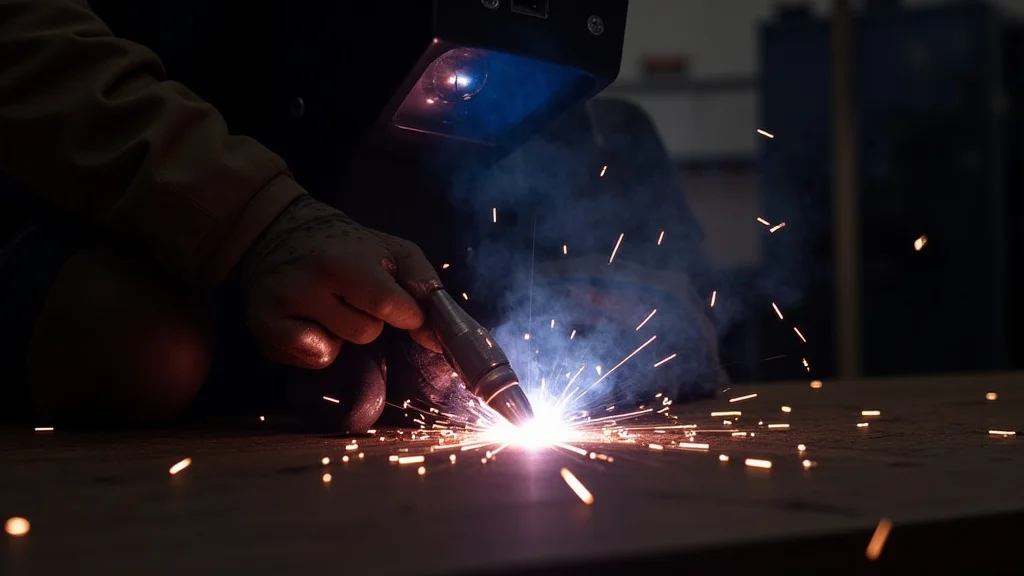
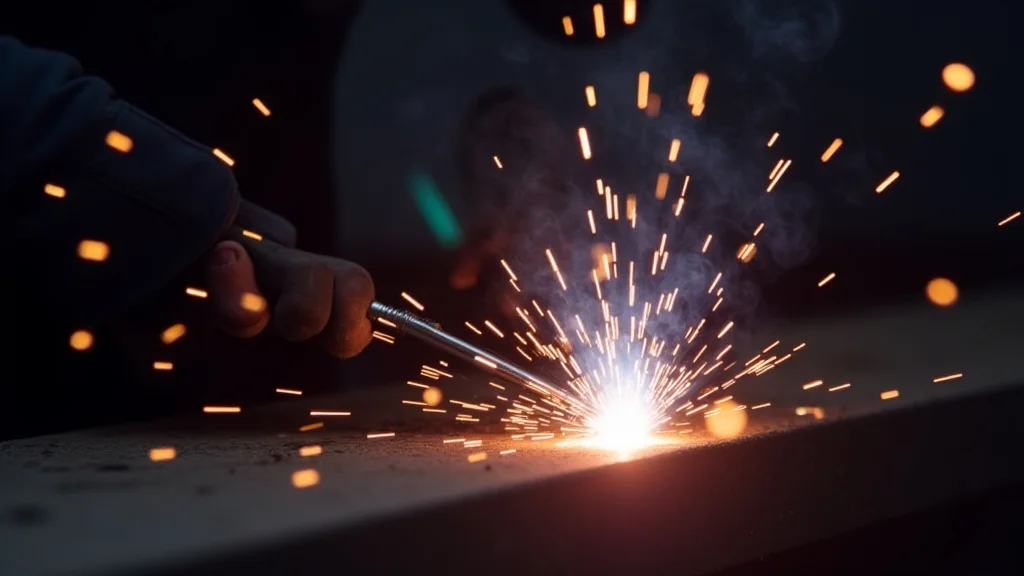
Spatter is those little bits of molten metal that fly out from the welding arc. They stick to your workpiece and the surrounding area. While a little bit is normal, too much spatter means something isn’t quite right with your setup or technique.
It can make your welds look messy, require extra cleanup, and sometimes even weaken the joint. For new welders, figuring out why this happens can be a puzzle.
What Causes MIG Spatter?
There are a few main culprits when it comes to too much spatter. It’s usually a combination of how the welder is set up, the materials you’re using, and how you’re welding. Think of it like baking a cake; if one ingredient is off, the whole thing can turn out wrong.
We’ll look at each of these in detail.
Setting Your MIG Welder for Success
Your MIG welder has several settings that directly affect how it welds. Getting these right is the biggest step to reducing spatter. These include voltage, wire speed, and sometimes inductance, depending on your machine.
Voltage and Wire Speed: The Golden Pair
Voltage and wire speed work together. Think of wire speed as how fast the welding wire feeds out. Voltage controls the arc’s heat.
If your wire speed is too high for the voltage, the wire feeds out too fast and doesn’t melt evenly. This causes it to ball up and fly off as spatter.
Too low a wire speed for the voltage can also cause issues, but typically leads to a more unstable arc and potential burn-through. The sweet spot is where the wire melts smoothly into the weld pool.
Many modern MIG welders have charts that suggest good starting settings based on the wire diameter and material thickness. Always check your welder’s manual for these charts. They are a great reference point.
Finding the Right Balance
As a general rule, for standard mild steel welding with solid wire, you want to find a balance where the arc sounds smooth and consistent, like bacon frying. A harsh, crackling sound often means too much spatter is coming.
Try this:
- Start with the recommended settings for your material thickness.
- Listen to the arc.
- If you see a lot of spatter, try slightly lowering the voltage first.
- If that doesn’t help enough, try increasing the wire speed slightly.
- Make small adjustments and test them.
The Role of Inductance
Some advanced MIG welders have an inductance setting. Inductance controls how quickly the voltage changes when the arc length varies. A higher inductance setting can create a softer, more stable arc.
This often results in less spatter and a smoother weld bead.
If your welder has this feature, experiment with increasing it. It can make a noticeable difference in spatter reduction.
Wire Issues and Solutions
The welding wire itself plays a big part. Its condition and type can greatly influence spatter.
Wire Feed Problems
A tangled wire spool or a dirty drive roller on your wire feeder can cause inconsistent wire feed. If the wire doesn’t feed smoothly, it leads to an erratic arc and more spatter. Ensure your drive rollers are clean and the tension is set correctly.
The wire should feed out without slipping or getting snagged. If you hear the motor straining or the wire seems to hesitate, check the feeder mechanism.
Wire Stick-out
Wire stick-out is the length of welding wire that extends out of the contact tip when you’re not welding. This is super important!
- Too short a stick-out: Can cause the wire to overheat, leading to spatter.
- Too long a stick-out: Can cause the arc to become unstable, also leading to spatter and poor penetration.
For most MIG welding, aim for a consistent stick-out of about 3/8 to 1/2 inch (around 10-13 mm). Keeping this consistent will help maintain a stable arc.
Dirty or Corroded Wire
If your welding wire looks dull, rusty, or dirty, it can cause all sorts of problems, including spatter. The contaminants on the wire interfere with the electrical conductivity and the arc. Always use clean, fresh wire.
Store it properly to prevent it from getting dirty or wet.
Choosing the Right Wire
Different types of welding wire are designed for different metals and welding processes. Using the wrong type of wire can lead to spatter. For general mild steel welding, E70S-6 solid wire is common and works well.
If you’re welding stainless steel or aluminum, you’ll need specific wires for those metals, and they often require different settings.
Shielding Gas: Your Arc’s Best Friend
Shielding gas is vital for MIG welding. It protects the molten weld pool from the air, which can cause defects and spatter. The type and flow rate of your gas are critical.
Gas Type Matters
For welding mild steel, common shielding gases include:
- 100% CO2: This is a cheaper option but tends to produce more spatter and a wider, flatter bead.
- 75% Argon / 25% CO2 (often called “C25”): This is the most popular choice for mild steel. It provides a good balance of arc stability, penetration, and spatter control.
Using 100% Argon for steel will result in a very unstable arc and excessive spatter. Always use the recommended gas mixture for your application.
Correct Gas Flow Rate
The gas flow rate needs to be sufficient to create a good shield, but not so high that it causes turbulence. Too little gas means the air will get to your weld, causing defects and spatter. Too much gas can blow away the shielding gas and also cause turbulence and spatter.
A good starting point for gas flow is usually between 15-25 cubic feet per hour (CFH). You can test this by holding the welding gun about 1/2 inch from your hand and pulling the trigger. You should feel a gentle flow of gas, not a strong blast.
Try adjusting your flow rate. If you’re getting spatter, slightly reducing the flow might help. If you’re seeing porosity (small holes) in your welds, you might need to increase it.
Technique and Travel Angle
Even with perfect settings, your welding technique can still influence spatter. Your movement and angle matter.
Travel Speed
Welding too fast can cause the arc to lag behind the molten puddle, leading to an unstable arc and spatter. Welding too slow can overheat the area and cause excessive bead width, which might also be accompanied by spatter.
Aim for a steady travel speed that creates a consistent bead width and height. Listen to the sound of the arc – a consistent sizzle is usually a good sign of proper speed.
Push vs. Pull Angle
The angle at which you hold your welding gun affects how the molten metal flows and how the shielding gas behaves.
- Push Angle (Forward): This is generally preferred for MIG welding steel. You push the gun forward in the direction of travel. It usually results in a flatter bead, better visibility, and less spatter.
- Pull Angle (Drag): Pulling the gun can lead to a more convex bead and can sometimes increase spatter.
Try to maintain a slight push angle (around 5-15 degrees) for steel. Experiment to see what works best for your setup and what produces the cleanest results.
Contact Tip Condition
The contact tip is what the welding wire passes through. It’s a small, consumable part that wears out over time. A damaged or dirty contact tip can cause a lot of problems, including inconsistent wire feeding and poor electrical contact, both leading to spatter.
Inspect your contact tip regularly. If it looks worn, pitted, or enlarged, replace it. Always ensure the inside diameter of the tip matches your welding wire diameter.
Keeping it Clean
Spatter can build up on the contact tip. This buildup can obstruct the wire feed and affect the arc. You can clean the tip with a wire brush or use anti-spatter spray designed for contact tips.
Some welders even recommend lightly tapping the gun on a wood block (not metal!) to dislodge excess spatter.
Troubleshooting Chart for Spatter
Here’s a quick reference to help you diagnose spatter issues:
| Symptom | Possible Cause | Solution |
|---|---|---|
| Excessive spatter | Voltage too high | Lower voltage |
| Wire speed too high | Lower wire speed | |
| Wire stick-out too long or too short | Adjust stick-out to 3/8 – 1/2 inch | |
| Inconsistent arc, spatter | Dirty or corroded wire | Use clean wire, check storage |
| Poor wire feed (dirty rollers, wrong tension) | Clean rollers, adjust tension | |
| Spatter, rough arc | Incorrect shielding gas type (e.g., 100% Argon on steel) | Use recommended gas mix (e.g., C25 for steel) |
| Shielding gas flow rate too low or too high | Adjust gas flow (15-25 CFH typical) | |
| Spatter, poor bead appearance | Contact tip worn or dirty | Clean or replace contact tip |
| Incorrect travel angle or speed | Adjust travel angle (push) and speed |
Frequently Asked Questions
Question: What is the most common reason for MIG spatter?
Answer: The most common reason for excessive MIG spatter is incorrect voltage and wire speed settings. They need to be balanced correctly for the material thickness and wire you are using.
Question: How does wire stick-out affect spatter?
Answer: Wire stick-out is the length of wire sticking out of the tip. If it’s too long, the arc becomes unstable and spattery. If it’s too short, the wire can overheat and also cause spatter.
A consistent stick-out of about 3/8 to 1/2 inch is usually best.
Question: Can the type of shielding gas cause spatter?
Answer: Yes, definitely. For mild steel, using a mix like 75% Argon/25% CO2 (C25) generally produces less spatter than 100% CO2. Using the wrong gas altogether, like 100% Argon on steel, will cause significant spatter.
Question: Should I always use anti-spatter spray?
Answer: Anti-spatter spray can be very helpful. It prevents spatter from sticking to your contact tip and nozzle, making cleanup easier and helping to maintain a consistent weld. It’s not a fix for bad settings, but it helps manage the spatter that does occur.
Question: How often should I replace the contact tip?
Answer: You should replace the contact tip when it looks worn, pitted, or if the hole has enlarged. Regular cleaning helps it last longer, but a worn tip will always cause problems and increase spatter.
Final Thoughts
Fixing excessive spatter is all about small adjustments and paying attention to the details. You’ve learned that balancing your voltage and wire speed is key. Keeping your wire clean, your contact tip in good shape, and using the right shielding gas are also super important.
Don’t forget that a consistent wire stick-out and a good welding angle make a big difference. With these tips, you’ll see a much cleaner weld and enjoy your MIG welding more!