So, you’re working with your stick welder, and suddenly it just. stops working right? It’s a common thing beginners run into.
Don’t worry, it’s usually a fixable problem! This quick guide will help you figure out what’s wrong with your stick welder. We’ll walk through the easy steps to get you welding again in no time.
Let’s see what might be causing the trouble and how to fix it.
Key Takeaways
- You will learn the most common reasons a stick welder might stop working.
- Simple checks for power and connections are covered.
- Understanding electrode issues and how to solve them is explained.
- Basic machine settings and their impact are clarified.
- Tips for keeping your stick welder in good working order are provided.
When Your Stick Welder Won’t Cooperate
Why is “Stick Welder Stuck? Quick Troubleshooting Guide” So Important?
When you’re learning to stick weld, things can go wrong. One of the most frustrating is when your welder just stops working mid-weld. This isn’t just about finishing a project; it’s about learning how the equipment works.
A sudden stop can feel like a big problem, especially when you’re new. It can make you feel like you’re not cut out for welding.
That’s why knowing how to quickly fix common issues is key. A good troubleshooting guide helps you find the problem fast. It makes you feel more confident.
Instead of giving up, you can fix it yourself and keep practicing. This guide is here to help you do just that. We’ll cover the usual suspects that cause a stick welder to get “stuck.”
Is It Getting Power? The First Check
The most basic reason a welder stops is lack of power. It sounds simple, but it happens more than you’d think. First, check if your welder is plugged in properly.
Make sure the cord isn’t damaged. Look for any cuts or frayed wires. If you’re using an extension cord, ensure it’s rated for the amperage your welder needs.
An undersized cord can’t deliver enough power.
Next, check your circuit breaker. If it tripped, reset it. If it trips again right away, there might be a bigger electrical issue.
This could be a problem with the welder itself or your home’s wiring. It’s best to get an electrician to look at it if this happens. Sometimes, the power outlet itself could be faulty.
Try plugging something else into the same outlet to see if it works.
The Ground Clamp: A Vital Connection
The ground clamp is super important for welding. It completes the electrical circuit. If your ground clamp isn’t making good contact, your welder won’t work.
Make sure the clamp is firmly attached to your workpiece. The metal you’re welding should be clean where the clamp touches it. Rust, paint, or grease can stop the electricity from flowing properly.
Clean off any dirt or debris from the surface where the clamp connects. You can use a wire brush to get a clean metal surface. Also, check the cable that connects the clamp to your welder.
Make sure it’s securely attached to the welder and that the clamp itself is in good condition. A loose or damaged ground cable is a common culprit for no-start welding.
Electrode Issues: What’s in Your Hand?
The electrode, or welding rod, plays a big role. If you’re using the wrong type of electrode for the metal you’re welding, or if the electrode is old and damaged, it can cause problems. Some electrodes are sensitive to moisture.
If they get damp, they might not strike an arc well. Storing electrodes in a dry place is important.
Different electrodes work best with different types of metal and welding currents. For example, 6013 rods are good for general use and easy to strike an arc with. 7018 rods, while great for strong welds, can be a bit trickier to start and need to be kept very dry.
Check your welder’s manual or the electrode packaging to make sure you’re using the right rod for your job. Also, look at the electrode tip itself. If it’s severely damaged or too short, it might be time for a new one.
Machine Settings: Amperage and Polarity
Your welder has settings for amperage and polarity. Amperage controls the heat. Too low, and you won’t get good penetration or it might be hard to strike an arc.
Too high, and you’ll burn through the metal or the arc will be unstable. Polarity refers to the direction of current flow (DC or AC). Different electrodes require specific polarities to work correctly.
For beginners, using the recommended settings for your electrode and metal thickness is best. For instance, many common stick electrodes like 6013 work well on DC or AC. If you’re unsure, start with the lower end of the recommended amperage range and slowly increase it until you get a stable arc.
Sometimes, changing the polarity setting can fix a welding issue. Always refer to your welder’s manual for specific guidance on settings.
The Arc Itself: Striking and Maintaining
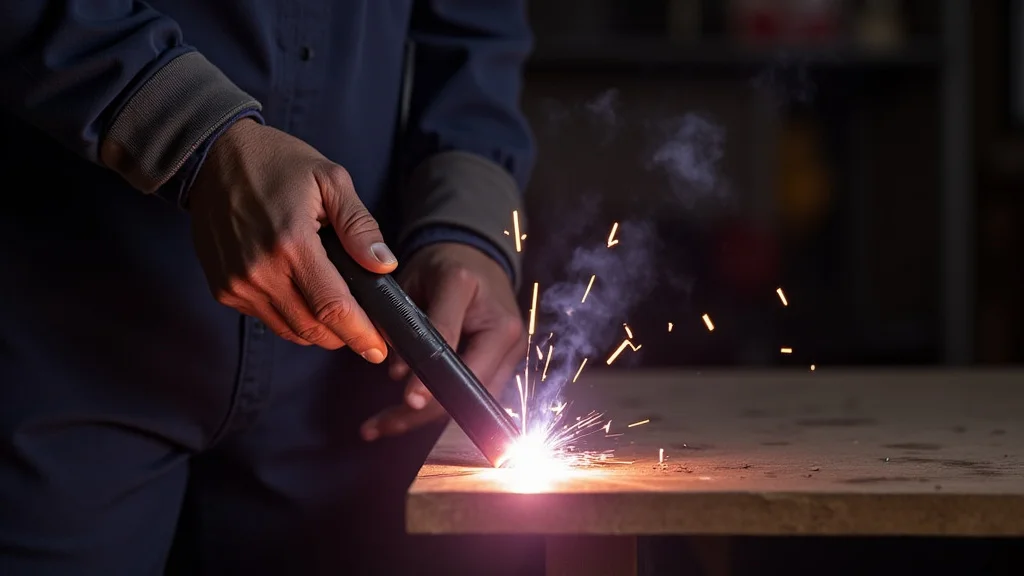
Starting a weld is called “striking an arc.” There are two main ways: scratching or tapping. Scratching is like striking a match. You gently drag the electrode tip across the metal.
Tapping is like tapping a pencil on a desk. You briefly touch the electrode to the metal and lift it slightly to create the arc. Some electrodes are easier to strike than others.
If you can’t strike an arc, it could be a power issue, a grounding problem, or the electrode might be bad. If the arc starts but then stops, you might be holding the electrode too far from the metal, or your amperage might be too low. Maintaining a consistent arc length is important for a good weld.
If the arc is sputtering or unstable, it often points to one of the basic issues we’ve already discussed.
Cooling Down: Overheating is Real
Welders generate a lot of heat. If you’re welding for a long time without breaks, the welder can overheat. Most modern welders have a thermal overload protection system.
When they get too hot, they will shut themselves down to prevent damage. You’ll usually see an indicator light turn on.
If your welder shuts off, don’t try to force it to work. Unplug it and let it cool down completely. This can take 15 to 30 minutes, or sometimes longer, depending on how hot it got.
Ensure the welder’s cooling vents are not blocked. Good airflow is essential for keeping the machine cool. Avoid welding in extremely hot environments if possible.
Damaged Cables or Connectors
The cables connecting your electrode holder and ground clamp to the welder are critical. If they are damaged, it can prevent the electricity from flowing. Check the cables for any cuts, nicks, or signs of wear.
Also, look at the connectors that plug into the welder. Are they clean and making a solid connection? Corroded or loose connectors can cause poor electrical contact.
If you find any damage, it’s best to repair or
Internal Machine Problems
While most issues are external and easy to fix, sometimes the problem is inside the welder itself. This could be a blown fuse, a faulty internal wire, or a problem with the electronic components. If you’ve checked all the external factors and your welder still won’t work, it might be time to contact the manufacturer or a qualified repair service.
Attempting to repair internal components without proper knowledge and tools can be dangerous. It can also void your warranty. For beginners, it’s usually best to stick to troubleshooting the common, external issues.
If those don’t solve the problem, professional help is the way to go. Don’t risk electrical shock or further damage to your equipment.
Frequently Asked Questions
Question: Why won’t my stick welder strike an arc?
Answer: Common reasons include no power, a bad ground connection, the wrong electrode settings, or a damp electrode. Check your power source, ensure the ground clamp is clean and secure, and verify your machine settings and electrode condition.
Question: My stick welder shut off suddenly. What happened?
Answer: Your welder likely overheated. It has a built-in thermal protection system. Unplug it and let it cool down completely before trying to use it again.
Make sure the vents are clear for airflow.
Question: The weld looks weak or has holes. What’s wrong?
Answer: This could be due to low amperage (not enough heat), a dirty workpiece, or an inconsistent arc length. Try increasing the amperage slightly, cleaning your metal thoroughly, and maintaining a steady distance between the electrode and the metal.
Question: My electrode keeps sticking to the metal. How do I fix this?
Answer: This usually means your amperage is too low, or you’re not moving the electrode fast enough when striking. Try increasing your amperage a bit, or practice striking the arc with a quick scratch or tap motion. Once the arc starts, keep the electrode moving.
Question: Can I use any extension cord with my stick welder?
Answer: No, you cannot. You must use an extension cord that is rated for the amperage your welder requires. Using an undersized cord can cause low voltage, poor welding performance, and can be a fire hazard.
Final Thoughts
When your stick welder acts up, remember it’s often something simple. Check the power first, then the ground. Make sure your electrode is right and your settings are correct.
Overheating is common, so give your machine a break. Cables and connectors are important too. Most problems are solvable with these steps.
Keep practicing, and you’ll get the hang of it.