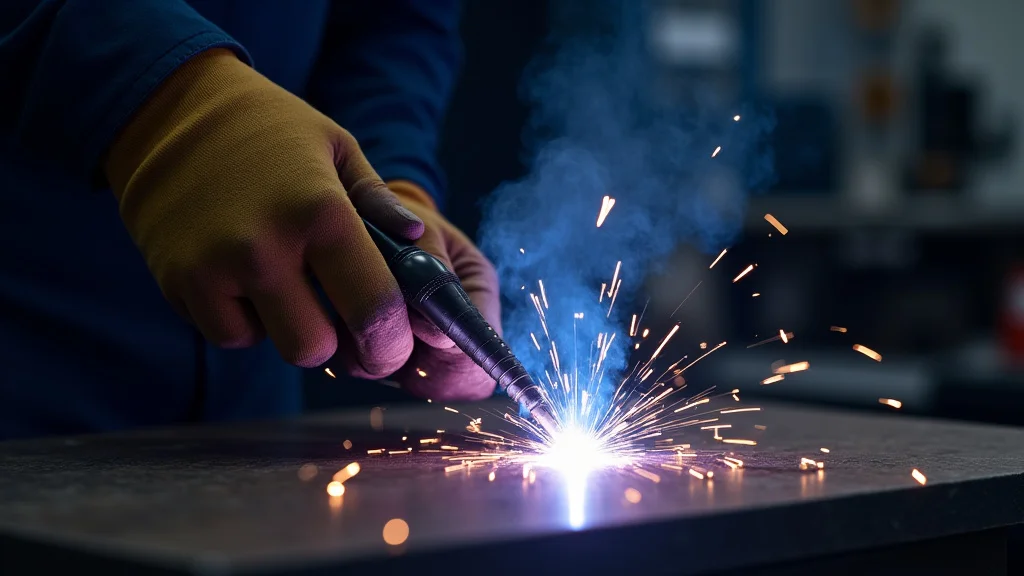
It’s a common frustration when your welding machine doesn’t seem to have the power it should. Beginners often scratch their heads asking, “Why Is My Welding Machine Not Reaching Full Power?” This can make projects harder than they need to be. Don’t worry, though!
We’ll walk through the simple reasons this happens and fix it together. Let’s look at what might be going on.
Key Takeaways
- You will learn about common issues that limit welding machine power.
- We will cover how power cords and connections affect output.
- You will find out how settings and machine condition play a role.
- We will explain simple checks to get your machine back to full strength.
- You will gain confidence in troubleshooting your welding equipment.
Understanding Welding Machine Power
Welding machines need a steady supply of electricity to work their best. Think of it like a car needing enough gas to run smoothly. If the gas isn’t getting to the engine right, the car won’t go fast.
Your welding machine is similar. It needs the right amount of “electricity fuel” to create strong welds. When it’s not reaching full power, the welds might be weak, or you might not be able to melt metal properly.
This problem isn’t usually a sign that your machine is broken forever. It’s often something simple that you can fix yourself. We’ll look at the most common reasons this happens so you can get back to welding with confidence.
Common Causes for Low Power
Several things can stop your welding machine from giving you all the power it’s supposed to. These can range from simple things like a loose plug to more involved issues with the machine itself. Let’s break them down one by one.
Power Supply Issues
The power cord and outlet are the very first steps for electricity to get into your machine. If this path has problems, the power will be weak. This is one of the most frequent causes of low welding power.
1. The Extension Cord
Using the wrong extension cord is a big culprit. Welders need a lot of electricity. A thin or long extension cord can act like a bottleneck.
It squeezes the electricity, and less of it makes it to your machine. This is especially true for machines that use a lot of power.
What to look for:
- Gauge: The cord’s thickness is measured in gauge. Lower numbers mean thicker cords. For welding, you generally want a 10-gauge or even an 8-gauge cord, especially for longer runs. A 14-gauge or 16-gauge cord is usually too small.
- Length: Longer cords have more resistance. If you need to run the cord a long distance, you’ll need a thicker gauge to compensate.
- Condition: Check for any cuts, nicks, or damage to the cord or its insulation. Damaged cords are dangerous and can reduce power.
2. The Wall Outlet and Breaker
The outlet your welder plugs into and the circuit breaker protecting it are also vital. If the breaker is tripped or overloaded, it will limit the power available.
What to check:
- Breaker: Make sure the circuit breaker for the outlet is fully on. Sometimes, a breaker might look like it’s on but is actually tripped. Try flipping it completely off and then back on.
- Circuit Load: Is anything else running on the same circuit as your welder? If too many other appliances are using power from that circuit, it can cause your welder to not get enough. Welders need dedicated circuits if possible.
- Outlet Condition: Loose or worn-out outlets can cause poor electrical connections, reducing power flow.
Machine Settings and Controls
Your welding machine has settings that control how much power it uses. If these are set incorrectly, you won’t get the full output you need.
1. Amperage Setting
Amperage is the measure of electrical current. It’s what really dictates how hot your arc gets and how deep your weld penetrates. If your amperage setting is too low for the material you’re welding, it will seem like the machine isn’t powerful.
What to do:
- Consult Charts: Most welding machines and welding consumable manufacturers provide charts that suggest amperage settings based on the metal thickness and type of electrode or wire you’re using.
- Adjust Gradually: Turn the amperage knob up. Listen to the sound of the arc. A good arc will sound consistent and strong.
2. Voltage Setting (for MIG welders)
For MIG (GMAW) welding, voltage works hand-in-hand with amperage. It controls the arc length and the shape of your weld bead. If the voltage is too low, the arc might be short and stubby, and the weld might not have enough heat.
What to do:
- Recommended Settings: Similar to amperage, voltage charts are available. They help you match the voltage to your wire speed and material.
- Wire Speed: Voltage and wire speed are often linked. Increasing wire speed typically requires a slight increase in voltage to maintain a good arc.
3. Duty Cycle Limitations
All welding machines have a duty cycle. This is the percentage of time the machine can operate at a certain amperage within a 10-minute period. If you’re welding continuously for too long, the machine will overheat and its power output will decrease to protect itself.
This is a safety feature.
What to understand:
- Check the Manual: Your machine’s manual will tell you its duty cycle at different amperage settings. For example, a machine might have a 30% duty cycle at 100 amps. This means you can weld for 3 minutes out of every 10.
- Cool Down: If your machine is getting hot and losing power, let it cool down. Give it the rest of the 10-minute cycle to recover.
- Lower Amperage: If you need to weld for longer periods, consider lowering your amperage and adjusting your technique. This will put less strain on the machine and allow for a higher duty cycle.
Machine Maintenance and Condition
Just like any tool, your welding machine needs to be in good shape to perform well. Neglecting maintenance can lead to power issues.
1. Dirty or Damaged Ground Clamp
The ground clamp is essential for completing the electrical circuit. If the clamp is dirty, corroded, or doesn’t have good contact with the workpiece, it will create resistance. This resistance can significantly reduce the power reaching your welding arc.
What to do:
- Clean Contacts: Make sure the clamp jaws are clean and free of rust, paint, or dirt. Use a wire brush to scrub them until they are shiny metal.
- Secure Connection: Ensure the ground clamp is attached directly to the workpiece or welding table. Avoid clamping onto paint, rust, or any surface that isn’t clean metal.
- Check Cable: Inspect the cable connecting the clamp to the machine for any damage.
2. Worn or Damaged Welding Leads
The welding leads (the cables that carry power from the machine to your torch or electrode holder) can also cause problems. If they are old, frayed, or have damaged insulation, they can lose power.
What to look for:
- Insulation: Check the outer rubber or plastic insulation for cracks, cuts, or signs of melting.
- Connections: Make sure the leads are securely connected to the welding machine. Loose connections create resistance and heat.
- Size: Just like extension cords, welding leads have a gauge. Ensure they are appropriate for your machine’s output.
3. Internal Component Issues
Less commonly, there might be an internal problem within the machine itself. This could be anything from a failing capacitor to a loose wire connection inside. These issues usually require professional help.
When to consider this:
- Persistent Problems: If you’ve checked all the external factors and the machine still has low power, an internal issue is more likely.
- Strange Noises or Smells: Any unusual sounds or smells coming from the machine should be a red flag.
- Expert Diagnosis: For internal problems, it’s best to take your machine to a qualified welding equipment repair service.
Environmental Factors
Sometimes, where and how you are welding can affect your machine’s performance.
1. Temperature
Welding machines, especially older transformer-based models, can be affected by ambient temperature. In very hot conditions, they might run hotter and their duty cycle can be reduced more quickly. In very cold conditions, some electronic components might not perform optimally until they warm up.
What to do:
- Adequate Ventilation: Ensure your machine has good airflow around it. Don’t operate it in an enclosed space where heat can build up.
- Allow Warm-up: If operating in very cold conditions, allow the machine some time to reach normal operating temperature before performing demanding welds.
2. Humidity
High humidity can sometimes cause minor issues with electrical connections, leading to slightly reduced power. While usually not a major factor, it’s worth considering in extreme conditions.
Troubleshooting Steps: A Quick Checklist
When you find yourself asking, “Why Is My Welding Machine Not Reaching Full Power?” here’s a simple list to follow:
- Check the Power Cord: Ensure it’s the correct gauge for your machine and power needs. Look for damage.
- Inspect the Outlet: Make sure the circuit breaker is fully on and not overloaded by other devices.
- Verify Machine Settings: Double-check that your amperage and voltage (if applicable) are set correctly for your material and thickness.
- Clean the Ground Clamp: Scrub it clean and ensure a solid connection to the workpiece.
- Examine Welding Leads: Look for any damage and ensure connections are tight.
- Consider Duty Cycle: If you’ve been welding for a while, let the machine cool down.
Frequently Asked Questions
Question: My MIG welder wire speed seems fine, but the weld isn’t hot enough. What could be wrong?
Answer: If the wire speed is correct but the heat is low, check your voltage setting. Voltage controls the arc length and heat. Also, ensure your amperage isn’t set too low for the material thickness.
A dirty or loose ground clamp can also reduce the overall power.
Question: I’m using a generator for my welder. Why am I not getting full power?
Answer: Generators need to be rated for more than the continuous draw of your welder. Welders often have a surge requirement when starting. Make sure the generator’s wattage is sufficient and that it’s running at the correct RPM to produce stable voltage and frequency.
Question: Can a cheap extension cord really cause my welder to lose power?
Answer: Yes, absolutely. Cheap or undersized extension cords have higher resistance, which “chokes” the flow of electricity. This means less power reaches your welder, making it seem weak.
Always use a heavy-gauge, short extension cord when possible.
Question: My stick welder sputters and lacks power. I’ve checked the cord and clamp. What else?
Answer: Check the amperage setting. If it’s too low for the electrode size you’re using, you’ll get a weak, sputtering arc. Also, ensure the electrode holder is making a good, clean connection with the electrode itself.
Question: I just bought a new welding machine, and it doesn’t seem to have as much power as my old one. Is this normal?
Answer: It’s possible, but usually not. Ensure you’ve set it up correctly with the right power source and settings. Sometimes different machine designs or technologies can feel different, but a significant power drop on a new machine might indicate a setup issue or a rare manufacturing defect.
Refer to the manual and double-check your connections.
Final Thoughts
Troubleshooting why your welding machine isn’t reaching full power often comes down to simple checks. You learned that your power cord, outlet, and ground connection are key. Settings on the machine, like amperage, are also vital.
Remember that duty cycle is there to protect your equipment. By following these steps, you can identify and fix most common power issues. Keep your connections clean, your settings correct, and your machine ventilated, and you’ll be welding with confidence again.