
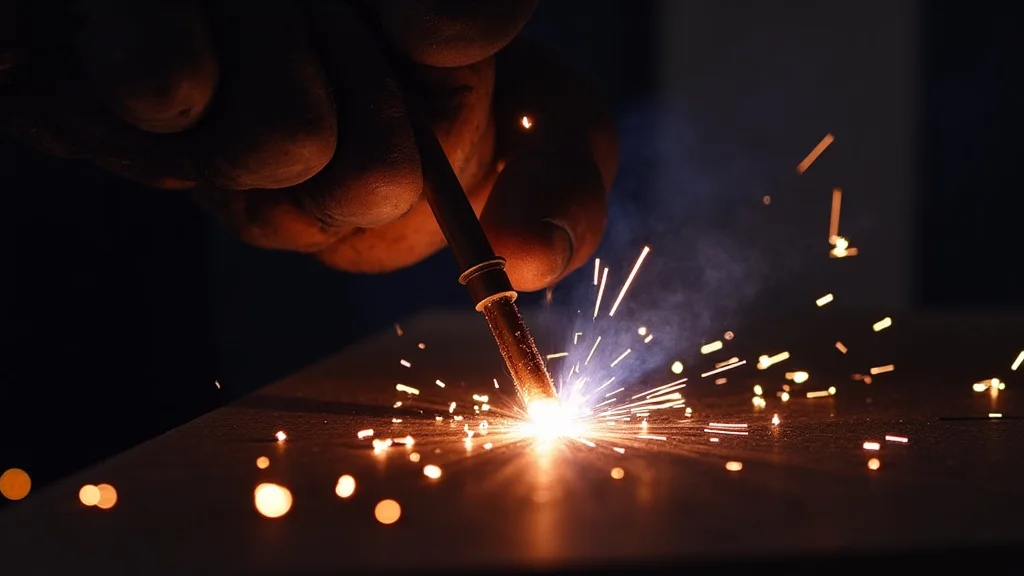
It’s a common puzzle for new welders: Why Is My Stick Welder Arc Unstable? That sputtering, jumpy arc can be frustrating, making it hard to get clean, strong welds. Don’t worry, many folks run into this issue when they’re just starting out. We’ll break down the common reasons and give you easy steps to fix it.
Get ready to learn how to get a smooth, steady arc that makes welding a lot more fun.
Key Takeaways
- You will learn the most common causes for an unstable stick welding arc.
- This guide will explain how different settings affect arc stability.
- You will discover the importance of electrode selection and condition.
- We will cover how to properly prepare your work surface for a stable arc.
- Simple troubleshooting steps will be provided to help you fix arc issues.
Understanding Why Your Stick Welder Arc Is Unstable
An unstable arc on your stick welder is often a sign that something isn’t quite right. It can make welding feel unpredictable. The arc might sputter, jump around, or even go out completely. This makes it tough to melt the metal together properly. For beginners, this can be a big hurdle to overcome. It makes you question your skills and the equipment. But usually, the fixes are quite simple once you know what to look for.
Common Causes for an Unstable Arc
There are several reasons why your stick welding arc might be acting up. Let’s explore the most frequent culprits.
Incorrect Amperage Settings
The amount of electricity, or amperage, you use is super important. Too little amperage means the heat isn’t enough to melt the metal well. This can cause a weak, sputtering arc. Too much amperage can make the arc too hot and jumpy, leading to burn-through or spatter. Finding the right setting is key.
Wrong Electrode for the Job
Stick welding uses different types of electrodes, also called rods. Each rod has a specific job and works best with certain materials and in different positions. Using the wrong type of rod for your project is a major reason for an unstable arc. For example, using a rod meant for steel on aluminum will never work well.
Poor Electrode Condition
Electrodes can go bad. If they get damp, they can cause the arc to be erratic and rough. Moisture makes them burn unevenly. Even old or damaged rods might not strike an arc easily or hold one steadily. Always keep your electrodes dry and in good condition.
Dirty or Improperly Prepared Metal
The metal you’re welding needs to be clean. Rust, paint, oil, or any other gunk on the surface can interfere with the arc. It can cause it to jump around or not establish properly. A clean surface allows for a smooth, consistent melt.
Incorrect Electrode Angle and Travel Speed
How you hold the electrode and how fast you move your torch matters a lot. If you hold the electrode at too steep an angle, the arc can get disrupted. Moving too fast or too slow will also affect how the metal melts and fuses. This directly impacts the arc’s stability.
Issues with Ground Clamp Connection
The ground clamp needs to make a solid connection. If it’s loose or not making good contact with the metal, it can cause all sorts of electrical problems, including an unstable arc. A poor ground is like a bad connection in any electrical device; it causes issues.
Using the Wrong Polarity
Stick welding machines have different settings for electrical current flow, called polarity. Depending on the type of electrode you’re using, you need to set the machine to the correct polarity. Using the wrong one will result in a poor-quality weld and an unstable arc.
Understanding Amperage and Its Impact
Amperage is the flow of electrical current. It’s what generates the heat to melt the metal. For stick welding, this is usually controlled by a dial or buttons on your welder.
Too Low Amperage
When amperage is too low, you won’t have enough heat. The electrode will stick to the metal more often. You’ll hear a crackling sound, and the arc might go out easily. The weld puddle will be small and hard to control. It’s like trying to cook with a weak flame; things just don’t melt or join well.
Too High Amperage
High amperage provides too much heat. The arc will be very bright and noisy, with lots of spatter. You might see the metal melt too quickly, causing holes or excessive penetration. The electrode will burn down very fast. It’s like cooking with a blowtorch; things burn up before they cook right.
Finding the Sweet Spot
Each electrode type and size has a recommended amperage range. This is usually printed on the electrode package. It’s a good starting point. You’ll need to adjust it based on the metal thickness and your welding technique. A good rule of thumb is to set it just high enough to get a nice, steady melt.
Choosing the Right Electrode (Rod)
Electrodes are like the fuel for your welding. Different types are designed for different tasks. Using the wrong one is a common beginner mistake that leads to arc problems.
Common Electrode Types
* 6010/6011: These are great for all positions and work well on dirty or rusty metal. They produce a forceful, “digging” arc, which can be a bit jumpy for beginners. They require a higher amperage.
* 6013: This is a very popular choice for beginners. It has a smooth, stable arc and produces less spatter. It’s good for general-purpose welding on thin to medium-thickness steel.
* 7018: This rod creates strong, high-quality welds and is often used in structural applications. It requires clean metal and produces a smoother, more stable arc than 6010/6011, but it can be sensitive to moisture and requires specific handling.
Matching Electrode to Metal and Position
Always check the electrode packaging for recommendations. It will tell you what type of metal it’s for, the recommended amperage range, and what welding positions it’s best suited for. Welding flat on a table is different from welding overhead or vertically.
Electrode Storage and Care
Electrodes are sensitive to moisture. When they absorb water, they can cause the arc to be unstable, sputter, and create a rough weld.
Keeping Electrodes Dry
Store electrodes in a dry place. If they come in a sealed container, keep them in it when not in use. If you buy a larger quantity, consider a rod oven. A rod oven is a special heater that keeps electrodes at the right temperature to drive out moisture.
What to Do with Damp Rods
If you suspect your rods are damp, you can try “drying” them out. For some types (like 7018), you can gently heat them with a rod oven. For others, a low oven temperature or even a conventional oven set very low (around 250°F or 120°C) for an hour or two might help. Always check the manufacturer’s recommendations first.
Surface Preparation: The Foundation of a Good Weld
You can have the best welder and electrodes, but if your metal isn’t clean, you’ll struggle.
Cleaning Your Metal
Use a wire brush, grinder, or sandpaper to remove rust, paint, grease, oil, and any other contaminants from the metal surface. You want to see bare, shiny metal where you’ll be welding.
Why Cleaning Matters
Contaminants on the surface can vaporize when the arc hits them. This creates gases that disrupt the arc and can get trapped in your weld, making it weaker. A clean surface allows the arc to be steady and the weld puddle to flow smoothly.
Mastering Technique: Angle and Speed
Your physical actions directly influence the arc’s stability.
Electrode Angle
For most stick welding, you want to hold the electrode at a slight drag angle, usually around 10-15 degrees. This means the electrode is tilted slightly in the direction you are moving. Avoid holding it straight up and down or at a severe angle. The correct angle helps control the molten metal and directs the arc effectively.
Travel Speed
Moving too fast means the metal doesn’t have time to melt properly, leading to a weak, discontinuous weld and a jumpy arc. Moving too slow causes too much heat buildup, leading to burn-through and an uncontrolled puddle. You’re looking for a steady speed that creates a puddle about the width of your electrode.
Troubleshooting the Ground Connection
A solid electrical path is crucial for arc stability.
Checking Your Ground Clamp
Make sure the ground clamp is firmly attached to the workpiece or the welding table. Ensure the clamp itself is clean and free of rust or paint. If you’re welding on a piece of metal that isn’t directly on a grounded surface, attach the clamp to that piece.
Ensuring Good Contact
Sometimes, the metal surface where the clamp attaches might have paint or rust. It’s a good idea to clean that spot with a wire brush to ensure a good electrical connection. A loose ground can cause intermittent arc issues and inconsistent heat.
Understanding Polarity Settings
Your stick welder has settings for Direct Current (DC) or Alternating Current (AC). Each electrode type is designed to run on a specific polarity.
DC Electrode Positive (DCEP) or Reverse Polarity
With DCEP, the electrode is positive, and the workpiece is negative. This generally provides deeper penetration and a smoother arc. Many common electrodes, like 7018, run on DCEP.
DC Electrode Negative (DCEN) or Straight Polarity
With DCEN, the electrode is negative, and the workpiece is positive. This results in less penetration and a hotter, faster-melting arc. Some electrodes use DCEN.
Alternating Current (AC)
AC welding switches polarity back and forth. Some machines can run AC, and certain electrodes are designed for it. The arc stability on AC can vary.
Refer to Electrode Data
Always check the electrode packaging for the recommended polarity. Using the wrong polarity will result in a poor arc, excessive spatter, and weak welds.
Troubleshooting Steps for an Unstable Arc
Let’s put it all together with some simple steps to fix that sputtering arc.
1. Check Your Amperage:
* Look at the electrode package for the recommended amperage range for the rod size you’re using.
* If your arc is sputtering and weak, try increasing the amperage slightly.
* If it’s too hot and jumpy, try decreasing it.
* Adjust in small increments.
2. Inspect Your Electrodes:
* Are they dry and in good condition? If they look rusty, bent, or damaged, try a fresh, dry electrode.
* Ensure they are the correct type for your metal and welding task.
3. Prepare Your Metal Surface:
* Use a wire brush or grinder to clean the area where you’ll be welding.
* Remove all paint, rust, oil, and dirt.
4. Verify Your Electrode Angle and Travel Speed:
* Hold the electrode at a slight drag angle (10-15 degrees).
* Try to maintain a steady travel speed that creates a consistent weld puddle.
* Practice this on scrap metal.
5. Confirm Your Ground Clamp Connection:
* Make sure the clamp is tight and making good contact with clean metal.
* Try moving the clamp to a different spot if you suspect a bad connection.
6. Check Your Polarity Setting:
* Look at your electrode package. Does it call for DCEN, DCEP, or AC?
* Ensure your welder is set to the correct polarity for the electrode you are using.
7. Listen to Your Arc:
* A good, stable arc sounds like a steady sizzle.
* A crackling, popping sound often means too little amperage or damp electrodes.
* A very loud, hissing sound can mean too much amperage.
Frequently Asked Questions
Question: Why does my stick welder arc keep breaking?
Answer: An arc breaking often means the heat isn’t consistent. This can happen if your amperage is too low, your electrodes are damp, or your ground connection is poor. Make sure your settings are correct and your materials are clean and dry.
Question: Can I use any stick electrode on any metal?
Answer: No, definitely not. Different electrodes are made for different types of metal (like steel, stainless steel, or cast iron) and for different welding positions. Using the wrong electrode is a sure way to get an unstable arc and a weak weld.
Question: How do I know if my electrodes are too old or bad?
Answer: If your electrodes have been exposed to moisture, they can absorb it. This makes them difficult to strike an arc with, causes sputtering, and leads to a rough bead. Also, physically damaged or bent electrodes won’t work well.
Question: Is it normal for stick welding to have a lot of sparks?
Answer: Some spatter is normal, but excessive spatter usually means something is off. It could be too high amperage, the wrong electrode, or a poor arc length. Trying to keep the arc length consistent and adjusting amperage can help reduce spatter.
Question: What’s the easiest electrode to start with for beginners?
Answer: The 6013 electrode is often recommended for beginners. It has a forgiving, stable arc and is easier to use on various types of steel. It also produces less spatter compared to some other types.
Final Thoughts
Getting a stable stick welding arc isn’t magic; it’s about understanding a few key things. You’ve learned how amperage, electrode choice, and metal cleanliness all play a big role. Simple adjustments to your settings, keeping your rods dry, and cleaning your metal can make a huge difference.
Remember to practice your angle and speed. Soon, you’ll be laying down smooth, consistent beads that you’re proud of. Keep at it, and you’ll master this.
Leave a Reply