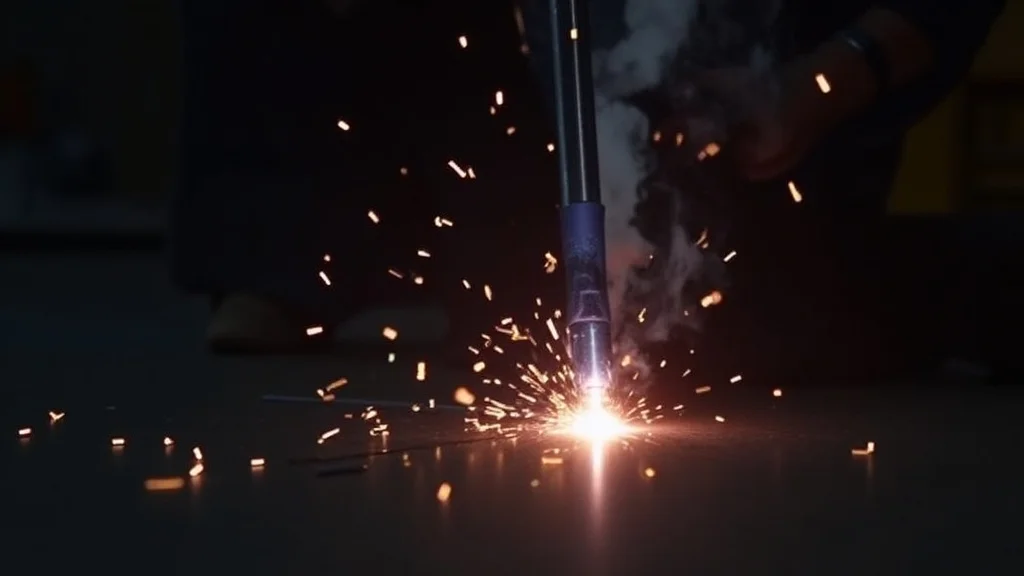
It’s super common for new welders to scratch their heads and ask, “Why Is My MIG Welder Wire Not Feeding Smoothly?” This can be a real head-scratcher when you’re just trying to get a good weld. Don’t worry, though! Most of the time, it’s a simple fix.
We’ll walk you through exactly what to check, step by step, so you can get back to welding in no time. First, let’s look at the main reasons this happens.
Key Takeaways
- You will learn the most common reasons MIG wire stops feeding well.
- We will explain how to check and fix issues with your MIG gun liner.
- You will find out how to correctly set your drive rolls and tension.
- Discover the importance of clean wire and proper storage.
- Understand how different wire types can affect feeding.
- Learn to troubleshoot common problems with your MIG welder’s setup.
Why Is My MIG Welder Wire Not Feeding Smoothly?
Having your MIG welder wire feed smoothly is like a painter having a steady hand. When it stutters, jams, or just won’t go, it makes welding frustrating. This problem pops up a lot for people just starting out with MIG welding.
It can feel like your welder is fighting you. But usually, the reasons are pretty simple and easy to fix once you know what to look for.
The MIG Welding Wire Feed System Explained
Your MIG welder has a system that pushes the wire from a spool through a cable and out the welding gun. This system includes a motor that turns drive wheels. These wheels grip the wire and push it forward.
A liner inside the welding cable helps guide the wire smoothly. It’s a chain reaction; if one part slows down or gets blocked, the whole process stops working right.
Common Culprits for Wire Feeding Issues
When wire feeding goes wrong, it’s usually one of a few things. Think of it like a bicycle chain: if it’s tangled, dirty, or not tight enough, it won’t work well. MIG wire feeding is similar.
Let’s break down the most frequent causes.
Drive Roll Problems
The drive rolls are the heart of the wire feeding system. They’re like the tires of your welder. If they’re not gripping the wire right, the wire won’t move.
Sometimes, the wrong size drive rolls are used for the wire you’re welding with. Other times, they might be worn out or not set to the correct tension.
Incorrect Drive Roll Size
MIG welding wire comes in different sizes, like 0.023 inches, 0.030 inches, and 0.035 inches. The drive rolls have grooves that match these sizes. If you put a 0.030-inch wire through drive rolls meant for 0.035-inch wire, the rolls won’t grip it properly.
The wire will slip, and you’ll get jerky feeding or no feeding at all.
Most drive rolls are reversible or have two different groove sizes. Make sure the groove that’s touching your wire is the correct one. You can usually see the size marked on the roll.
If you’re not sure, check your welder’s manual. It will show you how to set it up for different wire sizes.
Drive Roll Tension
The tension on the drive rolls is also super important. If the tension is too loose, the rolls won’t grab the wire firmly. This leads to slipping and inconsistent feeding.
You might hear a clicking sound as the rolls skip over the wire.
On the other hand, if the tension is too tight, it can actually crush or deform the wire. This makes it harder for the wire to pass through the liner and the contact tip. It can also damage the wire itself, causing it to bunch up.
You want just enough pressure for the rolls to grip the wire without squeezing it too hard.
A good way to test tension is to feed the wire a little bit. If it slips easily, increase tension. If the wire looks squeezed or damaged, decrease tension.
You’re looking for a smooth, steady feed without any signs of wire damage.
Worn-Out Drive Rolls
Like any part that rubs against something, drive rolls can wear down over time. The grooves can become smooth or misshapen. This reduces their ability to grip the wire effectively.
If your drive rolls look shiny or have flat spots, it’s probably time to replace them. They are usually inexpensive parts.
The MIG Gun Liner
The liner is a long, flexible tube inside your MIG gun’s cable. Its job is to guide the wire from the drive rolls all the way to the welding gun’s tip. Think of it as a smooth tunnel for the wire.
If this tunnel gets kinked, dirty, or worn, the wire will snag or drag.
Kinked or Damaged Liner
The most common liner issue is a kink. This can happen if the welding cable is bent too sharply or pinched. A kink creates a tight spot where the wire can get stuck.
It’s like trying to push a thick rope through a bent pipe. Sometimes, you can feel a kink by running your hand along the cable. If you find one, the liner might need to be replaced.
Unfortunately, you can’t usually fix a kinked liner itself.
Dirty or Corroded Liner
Over time, dust, metal shavings, and even rust can build up inside the liner. This makes the surface rough and increases friction. The wire struggles to push through this gunk.
You might also see corrosion if you’re welding outdoors or in a damp environment. A dirty liner is a major cause of poor wire feeding.
You can try cleaning the liner. Some welders use compressed air to blow out debris. Others use a specialized liner brush that you feed through.
If cleaning doesn’t help, replacing the liner is the best solution. It’s a bit of a process, but it makes a big difference.
Incorrect Liner Size
Similar to drive rolls, liners also need to match the wire size. A liner that’s too small will restrict the wire. A liner that’s too large might allow the wire to wobble and bind.
Always make sure your liner’s inside diameter matches your wire diameter.
Contact Tip Issues
The contact tip is the small brass part at the very end of your MIG gun. It’s what the wire actually touches as it exits. It also conducts the electricity to melt the wire.
If this tip is worn out or dirty, it can cause problems.
Worn Contact Tip
As you weld, the heat and the wire passing through can wear down the inside of the contact tip. The hole can become enlarged or misshapen. This makes it harder for the wire to feed through smoothly.
It can also cause poor electrical contact, leading to an unstable arc.
A good rule of thumb is to replace the contact tip when you notice it’s enlarged or looks damaged. They are cheap and easy to swap out. It’s a good idea to keep a few spare tips handy.
Dirty Contact Tip
Spatter, which is the small molten metal droplets that fly off during welding, can build up inside and around the contact tip. This spatter can clog the hole, restricting the wire’s path. It can also cause poor electrical contact.
You should clean the contact tip regularly, usually with a wire brush or a contact tip cleaner tool. Some welders use anti-spatter spray to reduce buildup.
Incorrect Contact Tip Size
Just like drive rolls and liners, the contact tip must match your wire size. Using a tip that’s too small will pinch the wire. Using one that’s too large will allow the wire to move around too much, which can lead to erratic feeding and poor welds.
Wire Spool Problems
The wire comes on a spool. How that spool is handled and placed on your welder can also lead to feeding issues.
Loose Wire Spool
If the wire spool is loose on its mount, it can wobble. This can cause the wire to get tangled as it unwinds. It can also make the wire feed unevenly.
Make sure the spool is securely attached.
Tangled Wire on Spool
Sometimes, the wire on the spool can get tangled. This might happen if the wire was rewound poorly, or if the end came loose and got wrapped around other parts of the spool. A tangled section will jam the feeder.
You’ll have to stop and carefully untangle it. Always try to secure the end of the wire to the spool when you’re not using it.
Wire Tensioner Arm
Many welders have a tensioner arm that holds the spool in place and applies a small amount of pressure to keep it from unwinding too fast. If this arm is set too tightly, it can make it harder for the wire to pull off the spool. If it’s too loose, the spool can spin too freely.
Wire Quality and Type
Not all welding wire is created equal. The type of wire you use can significantly impact how smoothly it feeds.
Rust or Contamination on Wire
If your welding wire gets rusty or dirty, it won’t feed well. Rust creates friction and can clog up your liner and tip. Dirt and oil will do the same.
Always store your wire in a dry place. If a spool gets slightly rusty, you might be able to clean it with a clean cloth or a wire brush before using it. For severely rusted wire, it’s best to replace the spool.
Type of Wire
Solid wire (usually used with shielding gas) tends to feed more smoothly than some types of flux-cored wire. Flux-cored wire has a flux coating, which can sometimes leave residue that affects feeding. Some flux-cored wires are designed for better feeding than others.
If you’re having consistent feeding issues, consider trying a different brand or type of wire.
Shielding Gas Issues (If Applicable)
While not a direct cause of wire feeding itself, problems with your shielding gas can indirectly affect your weld and make it seem like the wire isn’t feeding right.
Low Gas Pressure or Flow
If your shielding gas flow is too low, you won’t get proper protection for your weld. This can lead to a spattery arc. While it doesn’t stop the wire from moving, the poor weld quality might make you think there’s a feeding problem.
Make sure your gas bottle is not empty and your regulator is set correctly.
Leaky Gas Connections
A leak anywhere in your gas line from the bottle to the welder can cause insufficient gas flow. Check all connections to ensure they are tight and not leaking.
Troubleshooting Steps: A Step-by-Step Guide
When you’re facing that frustrating “Why Is My MIG Welder Wire Not Feeding Smoothly?” question, follow these steps:
1. Check the Wire Path First
Start at the spool and follow the wire’s path to the gun. Is the spool secure? Is the wire tangled on the spool?
Is the end of the wire properly seated in the drive rolls?
2. Inspect the Drive Rolls
Are you using the correct size drive rolls for your wire? Are they clean? Are they worn out?
Adjust the tension – start with medium tension and test. Too loose? Tighten slightly.
Too tight? Loosen slightly. Listen for clicking (too loose) or watch for wire deformation (too tight).
3. Examine the MIG Gun Liner
Feel along the cable for kinks. Try to push a piece of wire through the liner without it being attached to the welder. If it snags, the liner is likely the issue.
Clean it if you can, but be prepared to replace it if it’s kinked or heavily clogged.
4. Clean or Replace the Contact Tip
Remove the tip. Is it clogged with spatter? Is the hole enlarged?
Clean it thoroughly or screw in a new one. Ensure it’s the correct size for your wire.
5. Check the Wire Spool Tensioner
Make sure the arm is applying gentle pressure to keep the spool from spinning freely but not so much that it fights the motor.
6. Inspect the Wire Itself
Is the wire rusty or dirty? If so, try cleaning a bit of it. If it’s badly contaminated, you may need a new spool.
7. Test the Gas (If Using Gas)
Check your gas cylinder pressure and flow rate. Ensure there are no obvious leaks in the gas line.
When to Seek Professional Help
If you’ve gone through all these steps and your wire still isn’t feeding smoothly, there might be an issue with the welder’s motor or internal drive mechanism. In this case, it’s best to contact the manufacturer or a qualified welding equipment repair technician. They can diagnose more complex internal problems.
Frequently Asked Questions
Question: What is the most common reason for wire feeding issues?
Answer: The most common reasons are issues with the drive rolls (wrong size, dirty, or incorrect tension) or problems with the MIG gun liner (kinked or dirty).
Question: How do I know if my drive rolls are the right size?
Answer: Drive rolls have grooves that match specific wire diameters. Check the marking on the drive roll and ensure it matches the wire you are using. If you’re unsure, consult your welder’s manual.
Question: Can I use anti-spatter spray on the wire itself?
Answer: No, you should not apply anti-spatter spray directly to the welding wire. It will contaminate your weld. Anti-spatter is meant for the contact tip and nozzle.
Question: How often should I clean my contact tip?
Answer: You should clean your contact tip regularly, ideally before each welding session or whenever you notice spatter buildup. Replacing it when it looks worn is also important.
Question: My wire feeds fine for a bit, then stops. What could it be?
Answer: This often points to a partially blocked liner or a wire spool that’s developing a tangle further down. It could also be an intermittent issue with the drive motor overheating if it’s a more advanced problem.
Final Thoughts
Dealing with a MIG welder wire that won’t feed smoothly can be frustrating, but now you know the most likely causes. From checking your drive rolls and liner to ensuring your contact tip is clean and your wire is in good shape, these steps cover the most common problems. By systematically going through these checks, you can quickly identify and fix most feeding issues.
This will help you get back to making clean, strong welds without interruption. Keep these tips in mind, and you’ll be a pro at solving wire feeding hiccups in no time.