Getting started with TIG welding can seem a bit tricky at first, especially when you wonder, What Safety Precautions Are Needed for TIG Welding? It’s normal to feel unsure about keeping yourself safe when dealing with hot metal and electricity. But don’t worry! We’ll walk through everything you need to know in a simple, step-by-step way.
After we cover the essentials, we’ll look at how to protect yourself from common welding hazards.
Key Takeaways
- Proper protective gear is essential to shield your skin and eyes from heat and sparks.
- Ventilation is key to avoid breathing in harmful welding fumes.
- Understanding your TIG welding machine and its settings helps prevent accidents.
- Fire prevention is crucial due to the high temperatures and sparks involved.
- Good workshop practices contribute significantly to a safe welding environment.
- Knowing emergency procedures can help you respond effectively if something goes wrong.
Understanding TIG Welding Safety Basics
Why Safety Matters in TIG Welding
TIG welding, also known as Gas Tungsten Arc Welding (GTAW), is a precise way to join metals. It uses an electric arc to melt metal, and a special gas to protect the weld from air. Because it involves high heat and electricity, safety is super important.
Not following safety rules can lead to burns, eye damage, or fires. Learning these steps helps you weld with confidence and avoid injuries.
The Importance of Personal Protective Equipment (PPE)
When you weld, your body needs protection. This is where Personal Protective Equipment, or PPE, comes in. Think of it as your welding uniform.
It shields you from the intense heat, sparks, and UV rays produced by the arc. Wearing the right gear is the first and most important step in welding safely. It’s not just about comfort; it’s about preventing serious harm.
Head and Face Protection
Your head and face need special care. The bright arc from TIG welding produces intense ultraviolet (UV) and infrared (IR) radiation. Looking directly at the arc without protection can cause “arc eye,” which feels like sand in your eyes and is very painful.
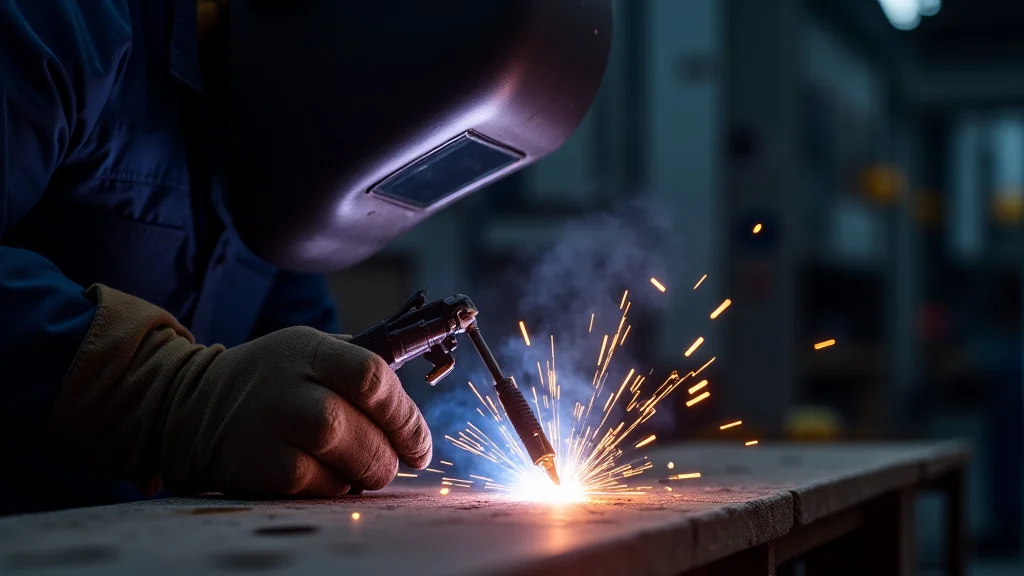
A welding helmet is a must. It has a special dark lens that protects your eyes and face from this radiation.
A good welding helmet should cover your entire face and neck. Many helmets have an auto-darkening feature. This means the lens automatically gets dark when the arc starts, and lightens when the arc stops.
This is super helpful because you don’t have to flip your helmet down and up constantly. It lets you see your work clearly before you strike the arc. Make sure the helmet fits well and doesn’t feel too heavy.
Body Protection
The sparks and hot metal flying from your weld can burn your skin. You need clothing that is made of natural, flame-resistant materials. Leather is a great choice for welding jackets and aprons because it’s tough and resists sparks well.
Cotton is also okay if it’s thick and not easily flammable. Always wear long sleeves and long pants. Tuck your pants into your boots to prevent sparks from getting in.
Avoid synthetic materials like polyester or nylon, as they can melt onto your skin if they catch fire.
Hand Protection
Your hands do most of the work, so they need protection too. Welding gloves are designed to be thick and heat-resistant. They protect your hands from heat, sparks, and sharp metal edges.
Look for gloves that allow you some dexterity so you can still hold your welding torch and filler rod comfortably. Leather welding gloves are common and effective. Make sure they cover your wrists and are free of holes.
Foot Protection
Your feet are also at risk from falling hot metal or sparks. Wear sturdy leather boots. Steel-toed boots offer extra protection if heavy objects might fall.
Make sure your pants are tucked into your boots to prevent sparks from entering and burning your ankles or the tops of your feet. Never wear open-toed shoes or sneakers when welding.
Eye Protection Under the Helmet
Even with a welding helmet, it’s a good idea to wear safety glasses underneath. These offer an extra layer of protection in case a spark somehow gets past the helmet or if you need to do some grinding or chipping before or after welding. They should have side shields for extra coverage.
Ventilation and Fume Control
Welding produces fumes and gases. These fumes can be harmful to breathe, especially if you weld for long periods or in a small space. TIG welding fumes are generally less toxic than some other welding processes, but they can still cause respiratory irritation or other health problems over time.
Good ventilation is key.
If you can, weld outdoors or in a large, open workshop. If you’re working in a confined area, you’ll need to use mechanical ventilation. This could be an exhaust fan that pulls the fumes away from your breathing zone.
Some welding stations have fume extractors built into them. Always position yourself so that the fumes are being pulled away from your face and not towards it. If you’re unsure about the air quality, consider using a respirator designed for welding fumes.
Fire Prevention and Control
TIG welding involves a very hot arc and often sparks. This means there’s always a risk of fire. Taking steps to prevent fires is a vital part of your safety plan.
Before you start welding, clear the area around your workspace. Remove anything flammable, like rags, paper, wood, or solvents. Move them at least 35 feet away from where you’ll be welding.
If you can’t move something flammable, cover it with a fire-resistant blanket or sheet. Be aware of what’s above and below your welding area too. Sparks can travel and fall onto things you might not see.
Keep a fire extinguisher nearby. Make sure it’s the right type for metal fires, usually a Class ABC or Class D extinguisher. Know how to use it.
It’s also a good idea to have someone watch the area for at least 30 minutes after you finish welding, just in case any embers ignite later.
Electrical Safety
TIG welding machines use electricity, so electrical safety is crucial. Always inspect your welding cables and torch for any damage, like cuts or worn insulation. Damaged cables can cause electrical shocks.
Make sure your welding machine is properly grounded. This means connecting it to a good earth ground. This helps prevent electrical hazards.
Never weld in wet conditions or while standing in water. Keep your work area dry. Ensure your welding gloves are dry before you start.
Avoid touching metal parts of the welding machine or workpiece unless you are sure the power is off and you are wearing appropriate protection. If you’re using a welding machine with a high duty cycle, pay attention to its cooling system to prevent overheating, which can also be a safety hazard.
Understanding Your Equipment
Knowing how to use your TIG welding machine properly is essential for safety. Read the owner’s manual thoroughly before you start. Understand what each dial and setting does.
Learn how to set the correct amperage, gas flow rate, and other parameters for your specific project and the type of metal you’re welding.
Make sure your TIG torch, ground clamp, and gas cylinder are all connected correctly. A loose connection can cause problems, including electrical hazards or inconsistent welding. Always turn off the machine and disconnect the power before making any adjustments or connections.
If you’re using a gas bottle, ensure it’s secured properly to prevent it from falling over.
Workshop and General Housekeeping
A clean and organized workspace contributes greatly to safety. Keep your welding area free of clutter. Tripping hazards, like tools or cables lying around, can cause falls and injuries.
Make sure you have good lighting so you can see what you’re doing clearly. Keep walkways clear.
When you’re finished welding, clean up your area. Put tools away, sweep up any metal filings or debris, and make sure the welding machine is turned off and unplugged if necessary. Proper housekeeping reduces the risk of accidents and makes your welding experience much more enjoyable and safe.
Frequently Asked Questions
Question: What is the most critical piece of safety gear for TIG welding?
Answer: The most critical piece of safety gear is a welding helmet with an appropriate shade lens to protect your eyes and face from the intense UV and IR radiation. Your eyes are extremely vulnerable to welding arc exposure.
Question: Can I weld in my regular clothes if I’m careful?
Answer: No, you should never weld in regular clothes. You need flame-resistant clothing, like leather or heavy cotton, to protect your skin from sparks and hot metal. Synthetic fabrics can melt and cause severe burns.
Question: How can I ensure good ventilation while TIG welding?
Answer: Always try to weld in a well-ventilated area, like outdoors or a large workshop. If working in a smaller space, use mechanical ventilation, such as an exhaust fan or a fume extractor, to pull harmful fumes away from your breathing zone.
Question: What should I do if I see sparks flying near flammable materials?
Answer: Immediately stop welding. Move the flammable materials further away or cover them with a fire-resistant blanket. Assess the situation and ensure the area is clear of fire hazards before resuming welding.
Question: Is it safe to touch the metal I am welding?
Answer: No, never touch the metal you are welding while the machine is on or if it is still hot. The workpiece can be extremely hot and carry electrical current. Always wear dry welding gloves and wait for the metal to cool down.
Final Thoughts
Keeping yourself safe while TIG welding is straightforward when you know the steps. Always wear your full protective gear, including a helmet, gloves, and flame-resistant clothing. Make sure the air you breathe is clean, and always think about fire prevention.
Check your equipment before you start. A tidy workspace helps a lot. By taking these simple precautions, you can enjoy TIG welding and create great projects without worry.
You’ve got this!