Welding is a fantastic skill, but it comes with risks. Many folks starting out wonder, What Safety Checks Should You Do Before Welding? It can seem like a lot to remember, but it’s actually quite straightforward. We’ll walk through it step by step to make sure you’re safe and ready to create.
Let’s get started with the most important things to know.
Key Takeaways
- You’ll learn about protecting yourself from sparks and heat.
- We’ll cover how to make sure your workspace is safe.
- You’ll discover how to check your welding gear.
- We’ll talk about breathing clean air.
- You’ll know how to prepare the metal you’re welding.
Getting Ready to Weld: Your Safety Checklist
Welding is a skill that lets you join metal pieces together. It uses heat and sometimes electricity to melt metal so it sticks. This is great for building things, fixing stuff, and creating art.
But it’s also serious work. There are things that can hurt you if you’re not careful. That’s why knowing What Safety Checks Should You Do Before Welding? is super important for everyone, especially if you’re new to it.
Think of it like getting ready for a sports game. You wouldn’t just run onto the field without warming up and checking your gear. Welding is similar.
A little bit of preparation makes a big difference in keeping you safe and letting you do your best work. We’ll break down all the steps so it’s easy to follow.
Your Personal Safety Gear: The First Line of Defense
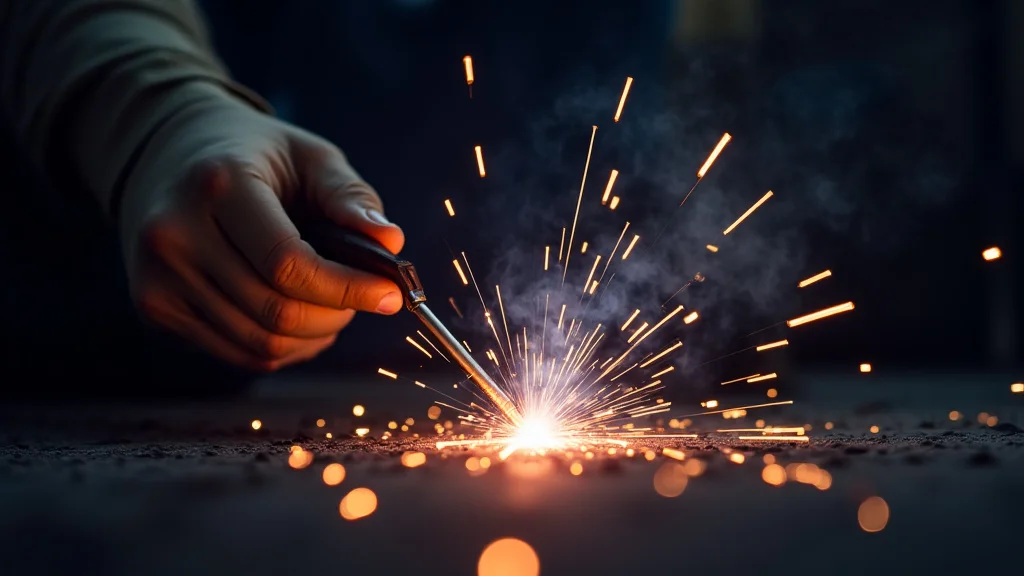
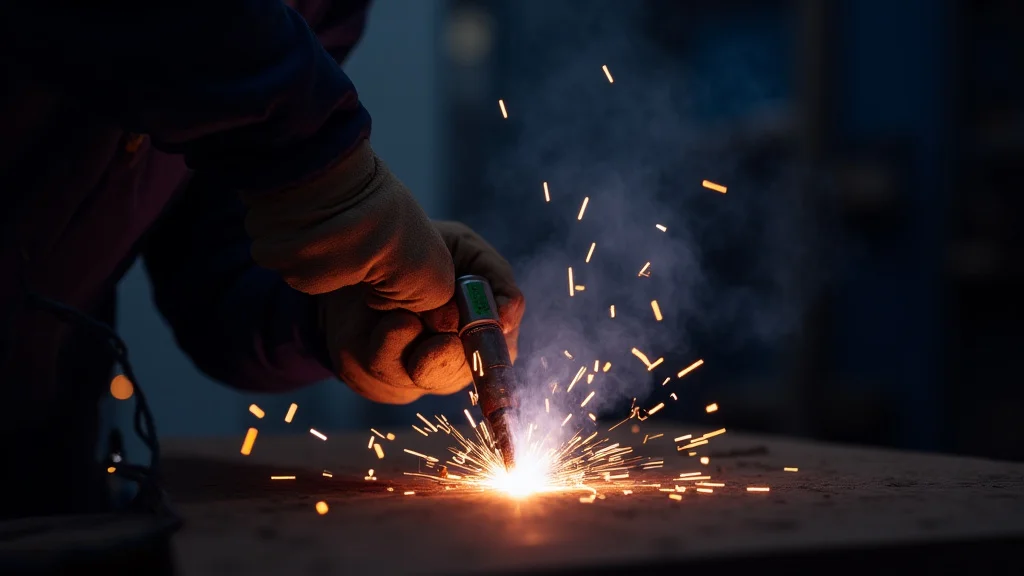
The most important part of welding safety is protecting your body. Welding throws off sparks, hot metal, and bright light. You need to cover up well.
Eye Protection
Your eyes are very delicate. Welding produces a super bright light that can hurt your eyes if you look at it directly. It’s like looking at the sun, but much worse.
This light can cause a painful condition called arc eye.
You need a welding helmet with a special lens. This lens is dark enough to block the harmful light. Always make sure the lens is the right shade for the type of welding you are doing.
Also, check that there are no cracks in the lens. You should also wear safety glasses underneath your helmet. These protect your eyes from any sparks that might get around the helmet.
Skin Protection
Sparks and hot metal can fly from your welding job. They can burn your skin. You need to wear protective clothing that covers as much of your body as possible.
This means wearing clothes made of natural, flame-resistant materials like cotton or leather. Avoid synthetic fabrics like polyester. They can melt onto your skin if they catch fire.
Long sleeves and long pants are a must. Make sure your clothes don’t have holes or frayed edges that sparks could catch on. You should also wear sturdy leather gloves.
These protect your hands from heat and sharp metal edges.
Foot Protection
Your feet need protection too. Wear sturdy, closed-toe boots, preferably made of leather. This guards against falling hot metal or sparks.
Steel-toed boots add an extra layer of safety.
Breathing Protection
When you weld, fumes and smoke are created. Some of these fumes can be bad for you to breathe. You need to make sure you are breathing clean air.
Always weld in a well-ventilated area. Open windows or use fans to move the air around. If the area isn’t well-ventilated, you might need to wear a respirator.
A respirator is like a mask that filters out the bad fumes. Talk to a welding supply store about the right kind of respirator for the welding process you are using.
Your Welding Area: Keeping it Safe
Where you choose to weld is just as important as what you wear. A safe welding area prevents fires and accidents.
Clear the Space
Before you start, look around your welding area. Remove anything that could catch fire. This includes rags, wood, paper, chemicals, and flammable liquids.
Keep these things far away from where you will be welding. A good rule of thumb is to clear a space of at least 35 feet around your welding spot.
No Flammable Materials Nearby
Make sure there are no gas cans, fuel tanks, or other things that could explode or catch fire in the area. If you’re welding near a wall or a piece of equipment, check if there’s anything flammable on the other side. Things like insulation or wood framing could be a fire hazard.
Fire Safety Equipment
It’s smart to have a fire extinguisher nearby. Make sure it’s the right type for metal fires. Knowing how to use it is also important.
Someone should also be nearby to watch for any stray sparks that might start a fire.
Your Welding Equipment: Checking the Tools
Your welding machine and its parts need to be in good working order. Faulty equipment can be dangerous.
The Welding Machine
Look at the welding machine itself. Check the power cord for any damage, like cuts or frayed wires. Make sure the machine is plugged into the correct outlet.
Never use a welding machine with a damaged cord.
Ground Clamp
The ground clamp is what connects the welding machine to the metal you are working on. This connection completes the electrical circuit. Make sure the clamp is clean and tight.
A loose or dirty ground clamp can cause problems with your weld and is a safety risk.
Electrode Holder or Welding Gun
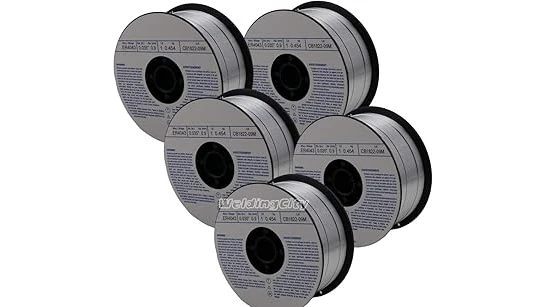
Check the electrode holder (for stick welding) or the welding gun (for MIG welding). Make sure the parts are not worn out or damaged. The electrode or wire needs to feed smoothly.
If you’re using stick electrodes, make sure they are dry. Wet electrodes can cause welding issues.
Cables and Connectors
Inspect all the cables that connect your welding machine to the ground clamp and the electrode holder or gun. Look for any cuts, burns, or damage to the insulation. Loose connections can cause sparks and heat, leading to accidents.
Preparing Your Metal: Getting it Ready to Weld
The metal you weld also needs some attention before you start. This makes your weld stronger and safer.
Cleaning the Surface
Metal often has rust, paint, oil, or dirt on it. This stuff can get into your weld and make it weak. It can also create more smoke and fumes.
You need to clean the metal well before welding.
Use a wire brush or sandpaper to remove any rust, paint, or dirt. For greasy or oily metal, you might need a special cleaner. A clean surface helps your weld stick better and creates a safer welding environment.
Securing the Metal
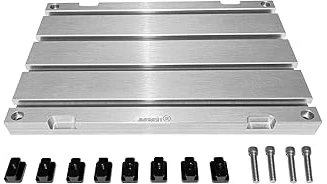
Make sure the pieces of metal you are welding are held firmly in place. They shouldn’t move when you are welding. You can use clamps or vises to hold them.
If the metal shifts while you are welding, it can cause an accident or a bad weld.
Checking for Hidden Dangers
Sometimes, the metal you are welding might have hidden things inside or behind it. For example, if you are welding on a tank, make sure it’s not a fuel tank or one that held flammable liquids. Such tanks can explode if welded.
Always know what you are welding on.
FAQ Section
Question: How do I know if my welding helmet is good enough?
Answer: Your welding helmet should have an auto-darkening lens or a fixed-shade lens suitable for the type of welding you are doing. Ensure the lens is free of cracks and that the helmet fits comfortably and covers your face and neck well.
Question: What if I don’t have a well-ventilated area?
Answer: If you cannot get good airflow, you should use a respirator designed for welding fumes. You can find these at welding supply stores. They filter out the harmful gases produced during welding.
Question: Can I wear my regular work clothes when welding?
Answer: It’s best not to. Regular work clothes, especially synthetic ones, can catch fire easily or melt onto your skin. Opt for natural, flame-resistant materials like heavy cotton or leather.
Question: How often should I check my welding cables?
Answer: You should check your welding cables for damage before every use. Look for any cuts, nicks, or signs of wear on the insulation. Damaged cables are a serious safety hazard.
Question: Is it safe to weld near painted surfaces?
Answer: You should clean the paint off the area you intend to weld. Burning paint releases harmful fumes and can affect the quality of your weld. Also, ensure there are no flammable materials nearby that could catch fire from the heat or sparks.
Final Thoughts
Taking a few moments for safety checks makes a world of difference. You learned to protect yourself with the right gear, keep your workspace clear of fire risks, and ensure your welding tools are in good shape. Preparing the metal is also key.
Doing these simple things means you can weld with confidence. Remember, being safe lets you focus on creating great things.