
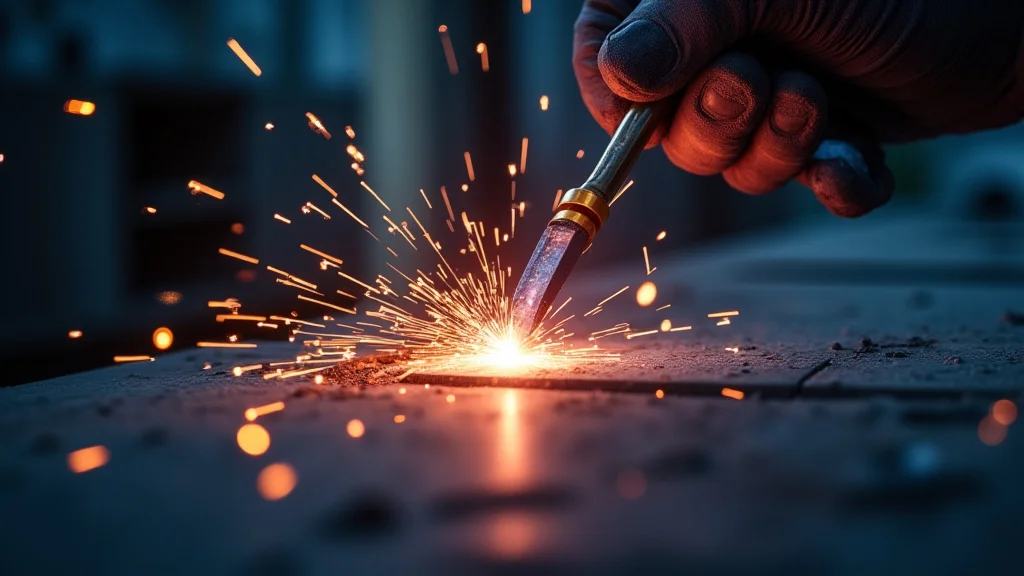
Many people starting out with welding find What Causes Weld Porosity and How to Fix It a tricky spot. Little holes, called porosity, can pop up in your welds, and figuring out why is key to making strong joints. It can seem confusing at first, but we’ll break it down simply.
We’ll show you exactly what causes these holes and how to stop them, step by step. Get ready to make better welds by learning about the common culprits.
Key Takeaways
- Porosity happens when gases get trapped in a cooling weld.
- Dirty metal is a major cause of gas getting trapped.
- Incorrect welding technique can also lead to porosity.
- The right welding gas and flow rate are important.
- Proper cleaning and preparation prevent most porosity issues.
- Adjusting your welding speed and angle helps.
Understanding Weld Porosity
Weld porosity refers to small holes or voids that appear within a solidified weld metal. These holes are essentially trapped gas bubbles that didn’t escape before the molten metal cooled and hardened. They can weaken a weld significantly, making it less reliable and more prone to failure under stress.
For beginners, spotting porosity and knowing why it shows up is a common hurdle.
Why Porosity is a Problem
Think of porosity like tiny air pockets in a piece of candy. While one might not matter much, a lot of them can make the candy crumbly and weak. The same idea applies to welds.
These holes act as stress risers. This means if you put pressure on the weld, a crack is much more likely to start at one of these tiny voids and spread.
A weld with porosity might look okay on the surface, but its internal strength is compromised. This is critical for any application where the weld needs to hold weight, withstand vibration, or prevent leaks, like in pipelines, car parts, or structural steel.
Common Causes of Weld Porosity
Several factors can contribute to weld porosity. We can group these into a few main categories, making it easier to troubleshoot.
1. Contaminated Base Metal and Filler Material
This is probably the most frequent reason for porosity. If the metal you’re welding (the base metal) or the metal you’re adding (the filler rod or wire) isn’t clean, bad things can happen. Dirt, oil, grease, rust, paint, or even a greasy fingerprint can vaporize when heated by the welding arc.
These vapors turn into gases.
If these gases can’t escape the molten weld pool before it solidifies, they get trapped. This creates those unwanted pores. It’s like trying to cook food with dirt on it; the dirt burns and affects the food.
What to look for:
- Visible rust or mill scale on the base metal.
- Grease or oil stains on the metal surface.
- Paint or coatings that haven’t been removed.
- Dirty or oily filler wire or rods.
2. Improper Shielding Gas
In many welding processes, like MIG (GMAW) and TIG (GTAW), a shielding gas is used. This gas flows from the welding torch and creates a protective bubble around the molten weld pool. Its job is to keep the surrounding air (which contains oxygen and nitrogen) away from the hot metal.
Oxygen and nitrogen can react with the molten metal and form harmful gases that cause porosity.
If the shielding gas isn’t doing its job properly, the weld is exposed to these contaminants. There are a few ways this can happen.
Issues with Shielding Gas:
- Low Gas Flow Rate: Not enough gas is coming out of the torch to create a sufficient shield.
- High Gas Flow Rate: Too much gas can cause turbulence, pulling in surrounding air. It can also “blast” the molten pool away.
- Incorrect Gas Type: Using the wrong type of gas or gas mixture for the specific welding process and metals can lead to reactions that cause porosity. For example, some metals need argon, while others benefit from argon mixed with CO2 or oxygen.
- Draughts and Wind: Even a slight breeze can blow the shielding gas away from the weld area, especially when welding outdoors or near open doors/windows.
- Faulty Gas Equipment: A leak in the hose, a clogged nozzle, or a regulator problem can all disrupt the gas flow.
3. Incorrect Welding Technique
How you move the welding torch and manage the arc also plays a big role. Beginners often struggle with finding the right balance.
Common Technique Mistakes:
- Travel Speed: Moving too fast means the molten metal doesn’t have time to fully flow and release trapped gases before it cools. Moving too slow can overheat the weld pool, causing other issues, but it can also lead to gas entrapment if not managed well.
- Torch Angle: Holding the torch at an incorrect angle can disrupt the shielding gas flow and cause the molten metal to pile up unevenly, trapping gas.
- Arc Length: For processes like Stick welding (SMAW), maintaining the correct arc length is crucial. Too long an arc can lead to porosity by allowing air to enter and by affecting the transfer of molten metal.
- Wrong Stick-out (MIG/Flux-Cored): The distance from the contact tip to the workpiece affects how the wire melts and how the shielding gas flows.
4. Moisture
Water, in any form, is a major enemy of clean welds. Moisture can be present on the base metal, the filler material, or even in the shielding gas. When water hits the extreme heat of the welding arc, it breaks down into hydrogen and oxygen.
Hydrogen is particularly problematic. It’s a small gas molecule that can easily dissolve into the molten weld metal. As the weld cools, the hydrogen can’t stay dissolved and forms bubbles, leading to porosity.
This is especially common with certain types of welding electrodes and in humid environments.
Sources of Moisture:
- Damp or wet base metal.
- Moisture absorbed by welding electrodes (especially some types of flux-cored wire and stick electrodes).
- Humidity in the air.
5. Electrode or Wire Issues (for Stick and Flux-Cored Welding)
For Stick (SMAW) and Flux-Cored Arc Welding (FCAW), the electrode itself is designed to provide shielding and add alloying elements. The coating on these electrodes contains fluxing agents and deoxidizers. These substances melt and create a gaseous shield and a slag layer that protects the weld pool.
If the electrode coating is damaged, wet, or of poor quality, it won’t perform its shielding function effectively, leading to porosity. Some electrodes are also more prone to absorbing moisture than others.
How to Fix Weld Porosity
Fixing porosity involves addressing the causes we just discussed. It’s about prevention and correction.
1. Thorough Cleaning is Key
This is the first and most important step. Always clean your base metal before welding. Use a wire brush, grinder, or degreaser to remove:
- Rust and mill scale.
- Paint, coatings, and plating.
- Oil, grease, and dirt.
The cleaned area should be free of any visible contamination.
2. Ensure Proper Shielding Gas Setup
For MIG and TIG welding, pay close attention to your shielding gas:
- Check Flow Rate: Use a flow meter to set the correct gas flow rate for your specific process and nozzle size. A good starting point is often 15-25 cubic feet per hour (CFH), but consult your welding machine or consumable manufacturer’s recommendations.
- Avoid Wind: Weld in a protected area or use a windbreak to shield the weld from drafts.
- Inspect Equipment: Regularly check your gas hoses for leaks. Make sure the regulator is working correctly. Ensure the gas nozzle on your torch is clean and not damaged.
- Correct Gas: Always use the recommended shielding gas mixture for the type of metal you are welding.
3. Refine Your Welding Technique
Practice makes perfect here. Focus on:
- Consistent Travel Speed: Aim for a steady pace that allows the weld pool to form properly without being too fast or too slow. Listen to the sound of the arc; it often gives feedback on your speed.
- Correct Torch Angle: For MIG, try to keep the torch at a slight push or drag angle depending on the process and wire. For TIG, a near-perpendicular angle is often best.
- Proper Arc Length: Maintain a consistent, appropriate arc length. This is more critical for Stick welding but also applies to other processes.
- Stick-out (MIG/Flux-Cored): Ensure your wire stick-out is within the recommended range. Refer to your wire manufacturer’s guidelines.
4. Manage Moisture
- Dry Materials: Make sure your base metal and filler materials are dry.
- Store Electrodes Properly: If using Stick or Flux-Cored electrodes, store them in a dry place. Some electrodes require baking in a special oven to remove absorbed moisture before use.
- Environmental Control: If possible, weld in a dry environment, especially in humid conditions.
5. Use Quality Filler Materials
Always use filler wire or rods that are suitable for the base metal and are of good quality. If you are using Stick or Flux-Cored processes:
- Check Electrode Condition: Ensure the flux coating is intact and not damaged.
- Use Fresh Electrodes: Older electrodes, especially if not stored correctly, can be more prone to issues.
Troubleshooting Specific Processes
MIG (GMAW) Welding Porosity
Common causes in MIG are contaminated metal, incorrect gas flow, or incorrect stick-out. Check your wire feeder for tension issues too, as a poorly fed wire can cause arc instability.
Fixes: Clean metal, set gas flow to 15-25 CFH, adjust stick-out to about 1/2 inch, and maintain a steady travel speed.
TIG (GTAW) Welding Porosity
TIG is very sensitive to contamination. Even tiny bits of dirt can cause porosity. Incorrect gas flow or wind is also a major culprit.
Fixes: Impeccable cleaning of base metal and filler rod, ensure correct Argon flow (10-20 CFH), and shield the arc from any drafts.
Stick (SMAW) Welding Porosity
Moisture in electrodes and incorrect arc length are prime suspects for Stick welding. Using the wrong type of electrode for the metal is another issue.
Fixes: Use dry, fresh electrodes. Maintain a short, consistent arc length. Ensure you’re using the correct electrode classification (e.g., 6013, 7018) for the job.
FAQ
Question: What does weld porosity look like?
Answer: Weld porosity looks like small holes or pits on the surface of the weld. If you break open a welded joint with porosity, you’ll see these holes inside the weld metal.
Question: Can I fix porosity once it’s there?
Answer: You can’t “fix” the porosity in an existing weld. You must grind out the porous section completely and re-weld it properly, making sure to clean and use the correct technique.
Question: Is all porosity bad?
Answer: For most structural and critical applications, any visible porosity is considered unacceptable because it weakens the weld. Some very minor, microscopic porosity might be tolerated in non-critical decorative work, but it’s best practice to avoid it altogether.
Question: How can I tell if my shielding gas is flowing correctly?
Answer: You can check the flow rate on the regulator’s gauge or use a flow meter. You should also hear a steady flow of gas when the torch is on and see it gently enveloping the weld area. A slight “hiss” is normal.
Question: My welds have tiny pinholes. What’s the most likely cause?
Answer: Tiny pinholes are often caused by moisture on the base metal, hydrogen in the shielding gas, or dirt on the surface you are welding. Thorough cleaning and ensuring your materials are dry are the best first steps.
Final Thoughts
Dealing with weld porosity is a common learning curve for anyone starting out. By understanding that trapped gases are the root cause, you can tackle the problem effectively. The key is simple: keep your metal clean, use your shielding gas correctly, and refine your welding movements.
Always start with clean surfaces. Check your gas settings, especially the flow rate and ensure no wind is blowing it away. Pay attention to how you move the torch and keep your arc length steady.
These steps will help prevent gas from getting trapped. You’ve learned the main reasons and how to fix them. Now, go practice these tips to make your welds stronger and smoother.
Leave a Reply