It’s common for new welders to wonder, What Are the Signs of a Failing Welding Machine? Sometimes your gear just acts up, and it’s hard to tell if it’s a small fix or a big problem. This guide will help you spot trouble early. We’ll break it down step-by-step so you know exactly what to look for.
Get ready to learn how to keep your equipment running smoothly and avoid frustrating downtime.
Key Takeaways
- You will learn to identify unusual noises coming from your welding machine.
- You will discover how changes in arc stability indicate a problem.
- You will understand the significance of overheating and its warning signs.
- You will learn about electrical issues and how they can signal a failing machine.
- You will find out how physical damage can impact machine performance.
- You will gain knowledge about how inconsistent weld quality points to equipment trouble.
Understanding Your Welding Machine’s Health
Your welding machine is a vital tool. Keeping it in good shape means better welds and fewer headaches. Like any tool, it can show signs that it’s getting tired or about to quit.
Knowing these signs helps you fix things before they stop you from working. This can save you time and money. Let’s look at what to watch out for.
Unusual Noises: The Machine’s Warning Signals
Machines often make noise. Welding machines have fans, transformers, and other parts that hum or whir. But if the noise changes, it’s a clue.
Grinding or Squealing
A new grinding sound could mean a fan bearing is going bad. This fan cools the machine. If it stops working, the machine can overheat quickly.
A squealing noise might come from a motor or a belt, if your machine has one.
Buzzing or Humming Louder Than Usual
An electrical hum is normal. But if it gets much louder, it might mean something inside is stressed. This could be loose connections or a transformer working too hard.
Clicking or Popping
Occasional clicking can be normal as parts heat up or cool down. But constant clicking or popping sounds, especially when welding, could point to electrical faults. This might be relay issues or problems with internal components.
Arc Stability: The Feel of a Good Weld
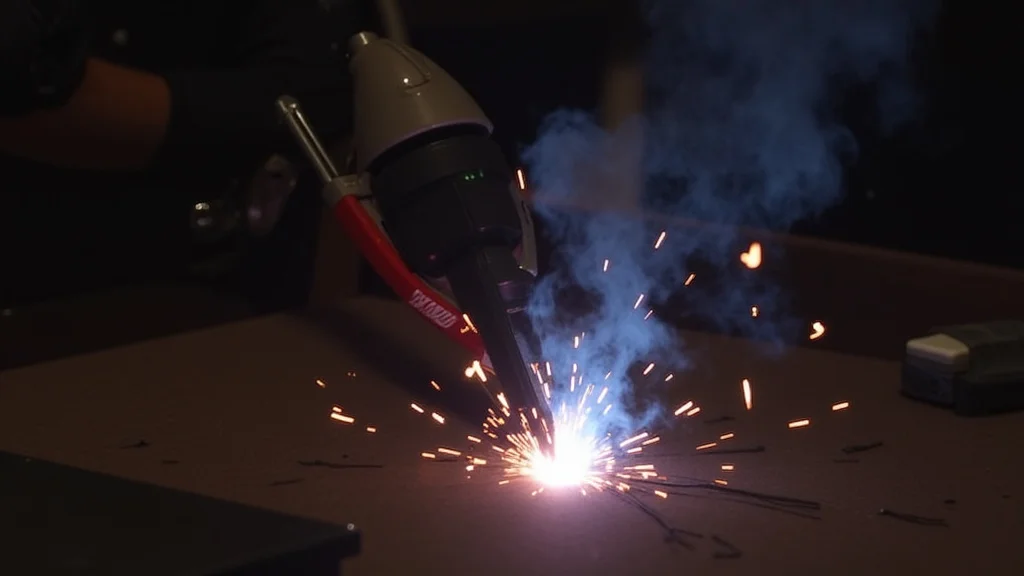
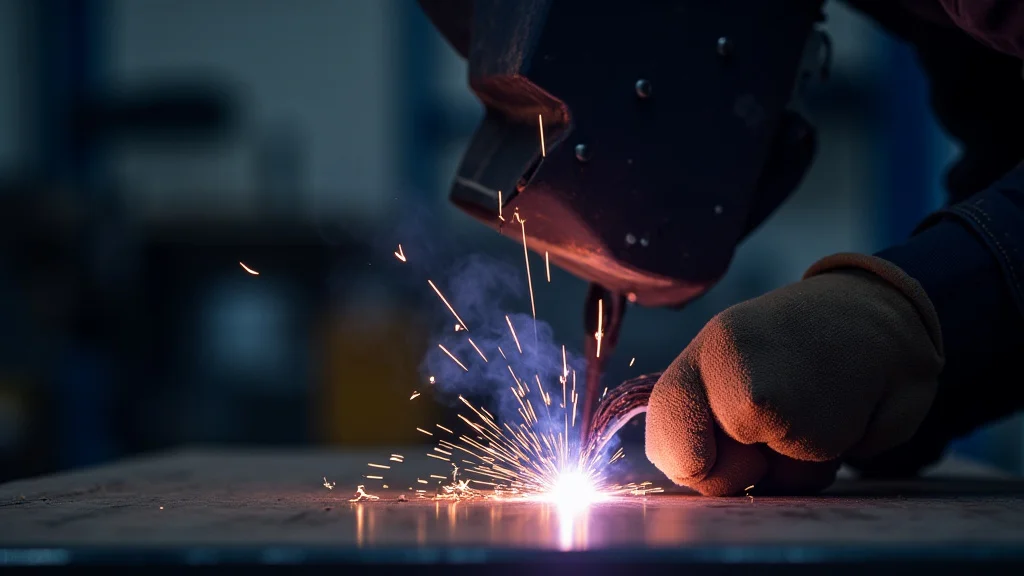
The arc is the spark that melts the metal. When it’s good, it feels smooth and controlled. When it’s bad, it’s all over the place.
Erratic Arc
If the arc seems to jump around, sputter, or feel like it’s constantly losing power, that’s a sign. A healthy arc is usually stable and predictable.
Difficulty Starting the Arc
Every machine needs a little push to start. But if you have to try many times, or drag the electrode for a long time to get the arc going, something is wrong. This could be related to the machine’s ignition system.
Weak or Inconsistent Arc
Sometimes the arc starts fine but then feels weak. It might not have enough power to melt the metal properly. This inconsistency makes for bad welds.
Overheating: A Machine Under Stress
Welding generates heat. Machines are built to handle this with cooling systems. But if it gets too hot, it’s a problem.
Machine Feels Hot to the Touch
It’s normal for a machine to be warm after use. But if the casing is too hot to hold your hand on for more than a few seconds, it’s overheating. Check the cooling fan first.
Visible Smoke or Burning Smells
This is a serious sign. If you see smoke coming from the vents or smell a burning electrical odor, turn the machine off immediately. There might be a short circuit or a fried component.
Overload Indicator Lights
Many machines have lights that come on when they get too hot or are overloaded. If this light stays on, or comes on quickly, the machine is telling you it needs a break or has a deeper issue.
Electrical Issues: The Hidden Dangers
Electricity powers your welder. Problems here can be subtle but damaging.
Blown Fuses or Tripped Breakers
If your machine frequently blows fuses or trips circuit breakers, it’s drawing too much power. This could be due to internal short circuits or a failing power supply.
Inconsistent Power Output
If your voltage or amperage readings seem to fluctuate wildly, even when set to a specific number, the power regulation might be failing. This leads to very poor weld quality.
Loose or Damaged Cords and Connectors
Check the power cord and any welding leads. Frayed wires, loose connections, or damaged insulation are not only hazards but can cause electrical problems within the machine.
Physical Damage: Visible Clues
Sometimes the problem is easy to see.
Dented or Cracked Casing
A hard knock can damage internal parts. Even if it still works, a crack could let in dust and moisture, causing future problems.
Loose or Damaged Knobs and Dials
If controls are loose, won’t turn, or feel ‘mushy’, the internal components they control might be damaged or disconnected. This makes it hard to set your machine correctly.
Corroded Terminals
Look at the connections where you attach your electrode holder or ground clamp. Corrosion can increase resistance, leading to heat buildup and poor electrical contact.
Inconsistent Weld Quality: The Ultimate Test
Even if the machine seems to be working, if your welds are suddenly looking bad, the machine might be the cause.
Poor Fusion
If your welds don’t seem to be melting the base metal properly, you’re not getting good fusion. This could mean the machine isn’t delivering enough heat.
Spatter Issues
Excessive spatter (little blobs of molten metal that fly off) can be a sign of an unstable arc, often caused by a machine issue. While technique matters, a sudden increase in spatter could point to the welder.
Porosity or Inclusions
These are defects within the weld. While they can be caused by contamination or technique, an inconsistent machine output can also contribute to these problems.
A Deeper Look: Common Components That Fail
Understanding which parts might be failing can help you diagnose the issue.
Cooling Fans
As mentioned, the cooling fan is crucial. If it’s noisy, slow, or not spinning, it’s a prime suspect for overheating. Dust and debris can clog them, or the motor can simply wear out.
Transformers and Rectifiers
These are the heavy-duty workhorses that change the incoming power into the correct voltage and current for welding. If they fail, you’ll likely see a complete loss of power or very weak output. They can fail due to age, overload, or heat.
Capacitors
Capacitors store electrical energy. If they start to fail, you might notice a weak or inconsistent arc, or the machine might struggle to maintain power. They can bulge or leak when they go bad.
Control Boards and Electronics
Modern welders have complex circuit boards. If these get damaged by power surges, dust, or heat, it can cause all sorts of unpredictable behavior, from incorrect settings to complete failure. Signs include error codes, unresponsive controls, or completely dead machines.
Relays and Switches
These are the components that turn different parts of the machine on and off. If a relay is stuck or a switch is faulty, it can prevent the machine from operating correctly or cause it to behave strangely.
Troubleshooting Steps: What to Do When You Suspect Trouble
Before calling for repairs, try these simple steps.
1. Check Power Source and Connections
Ensure the machine is plugged into a suitable power outlet. Check that the breaker hasn’t tripped. Make sure all cables are securely connected to the machine and your welding accessories.
2. Inspect Cords and Cables
Look for any signs of damage, fraying, or cuts on the power cord, ground clamp cable, and electrode holder cable. Damaged cables are a safety hazard and can cause poor performance.
3. Clean the Machine
Dust and debris can block vents and fans, causing overheating. Use compressed air to clean out the vents and fan blades. Do this with the machine unplugged.
4. Listen Carefully
Turn the machine on and listen for any unusual noises. If the fan is supposed to be running, make sure it is.
5. Test with Basic Settings
Try welding with very basic settings. See if you can establish a stable arc. If you have an automatic range or voltage, try setting them manually if possible to see if the control is working.
6. Consult Your Manual
Your owner’s manual is a valuable resource. It often has a troubleshooting section that can help you diagnose common problems or understand error codes.
When to Seek Professional Help
If you’ve gone through the basic checks and the problem persists, or if you see signs like smoke or burning smells, it’s time to stop and get professional help. Attempting to repair complex electrical components yourself can be dangerous and may cause more damage. A qualified welding equipment repair technician has the tools and expertise to safely diagnose and fix internal issues.
Frequently Asked Questions
Question: How often should I clean my welding machine?
Answer: It’s a good idea to clean the vents and fan of your welding machine at least once every few months, or more often if you use it in dusty environments. Regular cleaning helps prevent overheating.
Question: Can a dirty welding machine cause bad welds?
Answer: Yes, a dirty machine can lead to problems like overheating, which can cause inconsistent power output. This inconsistency can result in poor weld quality, such as weak fusion or excessive spatter.
Question: What is the most common part to fail on a welding machine?
Answer: While it varies by model and usage, cooling fans are very common failure points due to dust buildup and wear. Internal electronic components like capacitors or circuit boards can also fail over time.
Question: Is it safe to weld if my machine is making a loud grinding noise?
Answer: No, it is not safe. A loud grinding noise often indicates a problem with a rotating part like the cooling fan. If the fan fails, the machine can quickly overheat and sustain serious damage, or even become a fire hazard.
Question: My welding machine just stopped working completely. What should I do?
Answer: First, check your power source and ensure the circuit breaker hasn’t tripped. Inspect the power cord for damage. If everything on the power side looks fine, and the machine still shows no signs of life, it likely has an internal electrical failure that requires professional diagnosis and repair.
Final Thoughts
Spotting problems early with your welding machine can save you from costly repairs and lost work time. Pay attention to unusual sounds, the stability of your arc, and how hot your machine gets. Keep an eye out for any physical damage or electrical quirks.
By knowing What Are the Signs of a Failing Welding Machine? and performing simple checks, you can keep your equipment running well and ensure your projects get done right.