Many people wonder What Are the Key Differences Between MIG and TIG? when they start welding. It can seem confusing at first because both are popular ways to join metal. This guide will make it simple.
We’ll break down what makes them different, so you know which one is right for your project. Let’s get started by looking at what you’ll learn.
Key Takeaways
- You will learn that MIG welding uses a wire electrode and a shielding gas.
- You will understand that TIG welding uses a non-consumable tungsten electrode and a separate filler rod.
- You will see how MIG is generally faster and easier for beginners.
- You will discover that TIG offers more precision and is great for thin or visually important metals.
- You will learn about the different equipment and skill levels needed for each.
- You will gain clarity on which welding process suits various metal types and projects.
MIG vs. TIG Welding: A Simple Look
Welding is a skill that lets you join metal pieces together. Two very common ways to do this are with MIG and TIG welding. Many folks ask, What Are the Key Differences Between MIG and TIG? because they sound similar but work quite differently.
Understanding these differences helps you pick the right tool for the job, whether you’re fixing a car, building a fence, or making art.
MIG stands for Metal Inert Gas. TIG stands for Tungsten Inert Gas. Even though they both use gas to protect the weld, that’s where most of the similarity ends.
They use different tools and make different kinds of welds.
How MIG Welding Works
MIG welding is often called wire welding. It’s a popular choice for many DIYers and professionals because it’s relatively easy to learn and works fast. When you weld with MIG, you use a welding gun that feeds a continuous wire through it.
This wire is special. It acts as both the electrode (the part that creates the arc) and the filler material (the metal that fills the gap and joins the pieces). As the wire melts, it forms the weld.
At the same time, a shielding gas flows out of the gun. This gas is usually a mix of argon and CO2, or sometimes just argon. It protects the hot, molten metal from the air.
Air has oxygen and nitrogen, which can make a weld weak and brittle.
The MIG Setup
A MIG setup includes:
- A welding machine that provides the power.
- A wire feeder that pushes the wire through the gun.
- A welding gun that you hold.
- A spool of welding wire.
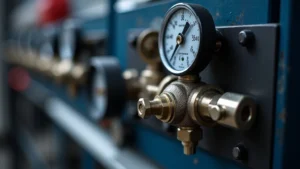
- A tank of shielding gas with a regulator to control the flow.
When you pull the trigger on the gun, the wire starts feeding, the gas flows, and the power comes on, creating the arc. You move the gun along the seam, and the wire melts, joining the metal.
Why MIG is Popular
MIG welding is a favorite for several reasons:
- Speed: It’s much faster than TIG because the wire feeds continuously.
- Ease of Use: The learning curve is gentler. You primarily focus on moving the gun at a steady speed and angle.
- Versatility: It works well on a variety of metals like steel, stainless steel, and aluminum, in different thicknesses.
- Less Mess: It doesn’t create as much slag (a type of waste material) as some other welding methods.
However, MIG welding can sometimes create more spatter (small droplets of molten metal that fly off). Also, it’s not always the best choice for very thin metals or when you need a super clean, smooth finish, like on visible parts of a car.
How TIG Welding Works
TIG welding is known for its precision and the beautiful, clean welds it can produce. It stands for Tungsten Inert Gas. Unlike MIG, TIG welding uses a non-consumable tungsten electrode.
This means the electrode itself does not melt into the weld.
The tungsten electrode creates the arc that melts the base metal. You hold the welding torch in one hand. In your other hand, you hold a separate filler rod, which you feed into the weld puddle as needed.
A shielding gas, usually pure argon, flows from the torch to protect the weld area from the air.
The TIG Setup
A TIG setup includes:
- A TIG welding machine that provides power and often has controls for gas flow and pulsing.
- A TIG torch with a tungsten electrode.
- A tank of shielding gas (typically pure argon).
- Filler rods made of the same metal you are welding.
You start the arc by either touching the tungsten to the metal briefly (scratch start) or by using a high-frequency start. Then, you hold the torch at a precise distance and angle, feed the filler rod with your other hand, and move along the joint.
Why TIG is Valued
TIG welding is highly respected for:
- Precision and Control: It offers excellent control over heat input, making it ideal for delicate work.
- Clean Welds: TIG welds are typically very clean with minimal spatter and slag.
- Versatility with Metals: It can weld a wide range of metals, including steel, stainless steel, aluminum, titanium, and exotic alloys.
- Thin Material Welding: It’s the best choice for welding very thin materials where other methods would burn through.
- Aesthetic Quality: The resulting welds are often very smooth and visually appealing, making it perfect for applications where appearance matters.
The main drawbacks of TIG welding are its slower speed and the steeper learning curve. It requires more coordination and skill, as you need to manage the torch, the filler rod, and the arc simultaneously. It can also be more expensive to set up and operate due to the consumables and the higher-end equipment often used.
Key Differences at a Glance
Let’s put the main differences side-by-side to make it clear.
| Feature | MIG Welding | TIG Welding |
|---|---|---|
| Electrode Type | Consumable wire (melts into weld) | Non-consumable tungsten electrode |
| Filler Material | The wire itself | Separate filler rod, added manually |
| Shielding Gas | Inert or semi-inert gas mix (e.g., Argon/CO2) | Pure inert gas (usually Argon) |
| Ease of Use (Beginner) | Easier, faster learning curve | More difficult, steeper learning curve |
| Speed | Faster | Slower |
| Weld Quality/Appearance | Good, but can have spatter | Excellent, very clean and precise |
| Best For | Thicker metals, production work, general fabrication | Thin metals, precision work, visually critical applications |
| Equipment Complexity | Generally simpler setup | Can be more complex, requires more dexterity |
When to Choose MIG
MIG welding is often the go-to for general-purpose welding. If you’re working on projects like:
- Repairing car frames or body panels.
- Building metal furniture or gates.
- Working on farm equipment.
- Fabricating thicker steel parts.
- Any project where speed and efficiency are important, and the weld appearance is secondary.
MIG is excellent for steel and can also weld stainless steel and aluminum with the right setup (like using a spool gun for aluminum). Its forgiving nature makes it ideal for beginners who want to get welding quickly and achieve good results.
When to Choose TIG
TIG welding shines when you need the highest quality and precision. Consider TIG for:
- Welding thin aluminum or stainless steel that would easily burn through with MIG.
- Creating highly visible welds on custom bikes, art pieces, or high-end automotive parts.
- Working with exotic metals like titanium or alloys where precise heat control is vital.
- Applications requiring a very clean, smooth finish with no spatter or slag.
- Situations where you need maximum control over the weld puddle, even when welding overhead or vertically.
TIG demands patience and practice, but the results are often stunning. It’s the professional’s choice for critical welds where appearance and strength are paramount.
Skill Level and Learning
MIG: Most people find MIG welding easier to pick up. The basic technique involves pulling the trigger and moving the gun in a straight line. You’ll learn about wire speed, voltage, and travel speed, but the process feels more intuitive for many.
It’s great for getting started and completing projects relatively quickly.
TIG: TIG welding requires more coordination. You need to manage the welding torch with one hand to create and maintain the arc, and a filler rod with the other hand to add material. You also need to control the foot pedal (if using one) to adjust amperage for heat.
This makes the learning process longer and more challenging, but mastering TIG welding opens up a world of precise, high-quality metal joining.
Cost of Equipment
Generally, MIG welding equipment can be more affordable to get started with, especially for entry-level machines. You can find decent DIY MIG welders for a few hundred dollars. The ongoing costs include welding wire, shielding gas, and consumables like contact tips.
TIG welding machines can range widely in price, but higher-end machines with advanced features for precise control can be quite expensive. You’ll need a TIG torch, tungsten electrodes, filler rods, shielding gas, and consumables like ceramic cups. While the initial investment can be higher, the cost of consumables for TIG can sometimes be lower per weld than MIG wire, depending on the project.
Frequently Asked Questions
Question: Can I use MIG for thin sheet metal?
Answer: Yes, you can weld thin sheet metal with MIG, but it requires careful adjustment of your machine’s settings (lower voltage and wire speed) and a steady hand to avoid burning through. TIG is generally preferred for very thin metals.
Question: Does MIG welding create a lot of sparks?
Answer: MIG welding can produce spatter, which is small droplets of molten metal that fly off the weld. The amount of spatter depends on your machine settings, wire type, and technique. TIG welding produces very little to no spatter.
Question: What kind of metal can I weld with TIG?
Answer: TIG welding is very versatile and can weld a wide range of metals, including steel, stainless steel, aluminum, titanium, magnesium, copper, nickel, and various alloys. It’s especially good for metals that are difficult to weld.
Question: Is MIG or TIG better for aluminum?
Answer: Both can weld aluminum, but TIG often gives a cleaner, more controlled weld on aluminum, especially thinner materials. For thicker aluminum with MIG, you typically need a spool gun to feed the soft aluminum wire properly.
Question: Which welding process is safer?
Answer: Both welding processes require safety precautions. You must wear appropriate protective gear like a welding helmet, gloves, and protective clothing to shield yourself from sparks, heat, and UV light. Proper ventilation is also important for both methods.
Final Thoughts
So, when you ask What Are the Key Differences Between MIG and TIG?, remember MIG is generally faster, easier for beginners, and great for thicker metals and general projects. TIG offers amazing precision and a beautiful finish, making it ideal for thin materials and jobs where appearance is critical. Both are valuable skills.
Choose the one that best fits your project needs and skill level, and don’t be afraid to practice. You’ll be creating strong, clean welds before you know it.