Figuring out What Are the Different Types of Welding Machines? can seem like a lot at first. Many beginners wonder where to start because there are so many choices. It’s like looking at a whole toolbox and not knowing which tool to pick up.
But don’t worry! We’re going to break it down into simple steps. We’ll show you the main kinds of welders and what they do.
After this, you’ll know which one might be right for your projects. Let’s get started!
Key Takeaways
- You will learn about the main types of welding machines.
- We will explain how each type of welder works.
- You will see what jobs each welder is best for.
- We will cover common welding processes like MIG, TIG, and Stick.
- You will get helpful tips to choose the right welder for your needs.
- The post will make choosing a welder much easier.
Understanding Welding Machines
Welding is a way to join metal pieces together. It uses heat or pressure to make the metals stick. Welding machines are the tools that make this happen. They create the power or gas needed for the weld. For people new to welding, knowing the differences between machines is key. It helps them pick the best tool for the job they want to do.
What Are the Different Types of Welding Machines?
When we talk about What Are the Different Types of Welding Machines?, we are usually thinking about the main ways they create the weld. These machines often go with specific welding processes. The most common ones you’ll hear about are MIG, TIG, and Stick welding. Each one uses electricity in a slightly different way. Some use a wire that melts, others use a rod, and some use a gas.
MIG Welding (GMAW)
MIG stands for Metal Inert Gas. This type of welding is also called Gas Metal Arc Welding (GMAW). It’s very popular because it’s easy to learn. MIG welders use a wire that feeds out of a gun. This wire melts to fill the gap between the metal pieces. A gas flows out of the gun too. This gas protects the melted metal from the air. It helps make a strong, clean weld.
MIG welding is great for beginners. It works on many types of metal, like steel and aluminum. You can weld thin metal easily with a MIG welder. It’s also pretty fast. The machine feeds the wire automatically. This means you can focus on moving the gun.
How MIG Welding Works
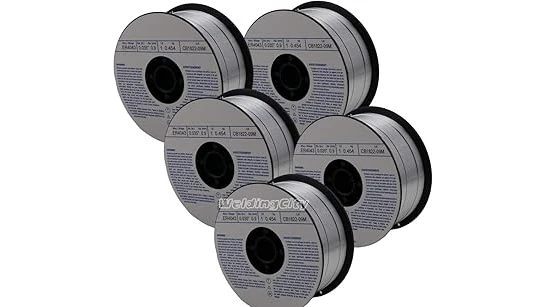
A MIG welder has a wire feeder. This feeder pushes a spool of welding wire through a cable to the gun. When you pull the trigger on the gun, electricity flows.
This creates an electric arc between the wire and the metal. The arc is very hot. It melts the wire and the metal it touches.
A shielding gas, like argon or a mix, comes out of the gun at the same time. This gas pushes away air, which can cause defects in the weld. The melted wire and metal mix and then cool.
This forms a strong bond.
Pros of MIG Welding
- Easy to learn, great for beginners.
- Fast welding speeds.
- Can weld a wide range of metal thicknesses.
- Good for different metals like steel, stainless steel, and aluminum.
- Produces clean welds with minimal cleanup.
Cons of MIG Welding
- Requires a gas cylinder, which adds cost and needs refilling.
- Less portable if you have to carry a gas tank.
- Can be sensitive to wind outdoors.
TIG Welding (GTAW)
TIG stands for Tungsten Inert Gas. This is also called Gas Tungsten Arc Welding (GTAW). TIG welding is known for making very clean and precise welds. It’s often used for jobs where the look of the weld is important. Think of things like motorcycle frames or artistic metalwork.
TIG welding uses a non-melting tungsten electrode. This electrode creates the arc. The welder holds the electrode in one hand and a separate filler rod in the other. A shielding gas, usually pure argon, flows from the torch. This gas protects the weld pool.
How TIG Welding Works
With TIG welding, the welder uses a TIG torch. The torch holds a tungsten electrode. You can’t touch the electrode to the metal.
You hold it a short distance away to create an arc. Electricity flows from the electrode to the metal. You control the amount of heat by adjusting a pedal or dial.
If you need to add metal, you use a filler rod. You dip this rod into the molten puddle as you move the torch. The shielding gas protects everything.
Pros of TIG Welding
- Produces very clean and precise welds.
- Excellent control over the weld.
- Can weld very thin metals.
- Works on a wide variety of metals, including exotic ones.
- No spatter or slag to clean up.
Cons of TIG Welding
- Much harder to learn than MIG welding.
- Slower welding process.
- Requires more coordination (two hands plus possibly a foot pedal).
- More expensive equipment.
- Requires a shielding gas, like MIG.
Stick Welding (SMAW)
Stick welding is also known as Shielded Metal Arc Welding (SMAW). This is one of the oldest and simplest welding methods. It uses a consumable electrode covered in flux. This electrode is often called a “stick.” The flux coating burns as you weld. It creates a shielding gas to protect the weld. It also helps form slag, which is a protective layer that needs to be chipped off after welding.
Stick welders are often very simple and tough machines. They are great for outdoor use and working in dirty or windy conditions. They are also good for welding thicker metals and in situations where cleanliness isn’t the top priority.
How Stick Welding Works
A stick welder uses an electrode rod. This rod has a metal core coated with flux. You hold the electrode in a holder connected to the welder.
When you touch the electrode to the metal and pull it back slightly, an arc forms. The heat from the arc melts the electrode and the metal. The flux melts too.
It creates smoke and gas that shield the weld. It also forms slag. After the weld cools, you chip the slag away.
Pros of Stick Welding
- Very simple and affordable equipment.
- Great for outdoor use and windy conditions.
- Can weld dirty or rusty metal.
- Excellent for welding thicker materials.
- Portable and doesn’t need a separate gas cylinder.
Cons of Stick Welding
- Harder to get a clean, pretty weld.
- Produces a lot of smoke and spatter.
- Requires chipping away slag after welding.
- Not ideal for very thin metals.
- More difficult to learn for a smooth finish.
Flux-Cored Arc Welding (FCAW)
Flux-cored arc welding is a bit like MIG welding, but with a different type of wire. The wire used is hollow and filled with flux. This flux provides shielding when it burns. Some flux-cored wires also use a gas, making it a dual-shielded process. But many can be used without gas (self-shielded). This makes them great for outdoor use, similar to stick welding.
FCAW is known for its ability to produce strong welds. It’s often used in construction and heavy fabrication where strength is critical. It can handle dirtier surfaces and windy conditions better than standard MIG.
How Flux-Cored Welding Works
Flux-cored welding uses a wire that has flux inside. This wire feeds from a spool through a gun. When the arc is struck, the flux inside the wire creates shielding gases and slag.
This protects the weld pool from the air. Some flux-cored wires require a separate shielding gas, but many are self-shielded. The self-shielded type is very useful for outdoor projects.
Pros of Flux-Cored Welding
- Deep penetration for strong welds.
- Good for outdoor use, especially self-shielded types.
- Can weld through some rust and mill scale.
- Faster than stick welding.
Cons of Flux-Cored Welding
- Produces more spatter and slag than MIG welding.
- Requires cleaning off slag.
- Can be more expensive than stick welding.
Other Types of Welders
While MIG, TIG, and Stick are the most common for hobbyists and general use, there are other types of welding machines. These are often for specific industrial applications.
Plasma Cutters
While not strictly a welding machine, plasma cutters are often found in welding shops. They use a high-temperature plasma torch to melt and blow away metal. This is used for cutting metal, not joining it.
They are very fast and precise for cutting.
Multi-Process Welders
These machines are designed to do more than one type of welding. You can find machines that do MIG, TIG, and Stick welding all in one unit. This can be a great option if you want flexibility and don’t want to buy multiple machines.
They can save space and money if you plan to do various types of welding.
Choosing the Right Welder
When you’re thinking about What Are the Different Types of Welding Machines?, the best one for you depends on what you want to do.
For Beginners
If you are just starting, MIG welding is usually the easiest to pick up. It’s forgiving and produces good results quickly. A good quality MIG welder can handle many home projects.
You can also consider a multi-process welder if you want to try different types later on.
For Hobbyists and Home Shops
A MIG welder is a solid choice for most home shop tasks, like repairing fences, building trailers, or working on cars. If you do a lot of artistic metalwork or need to weld very thin materials with precision, a TIG welder might be better. For heavy-duty repairs or working outdoors, a Stick welder is very useful.
For Professional Use
Professionals often choose based on the specific job. Fabrication shops might have MIG and TIG welders. Construction sites often rely on Stick welders and gas-powered welders for portability.
Industrial settings may use more advanced automated welding systems.
Maintenance and Safety
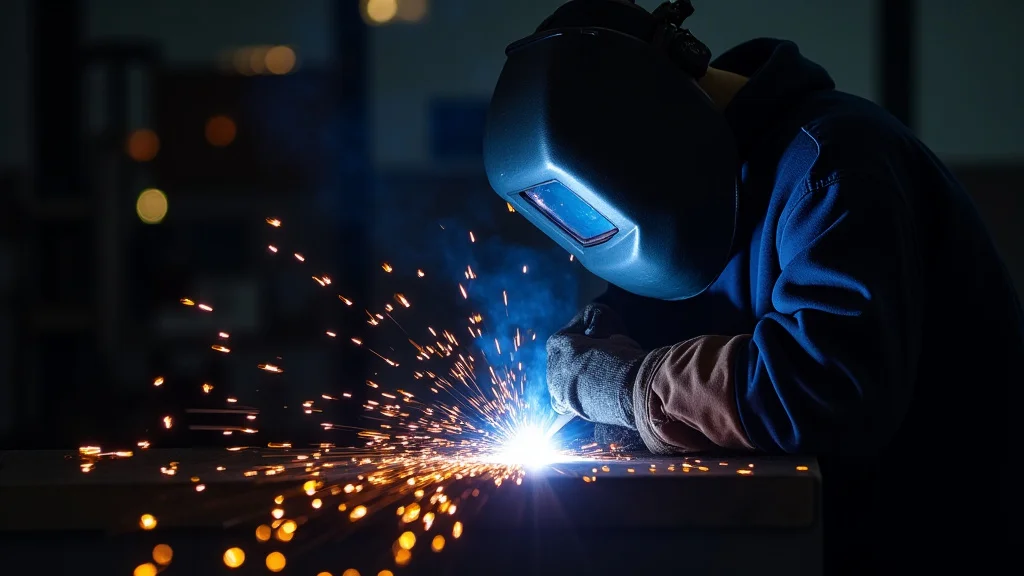
No matter what type of welder you choose, safety is always important. Always wear proper safety gear, including a welding helmet, gloves, and protective clothing. Make sure you are in a well-ventilated area. Keep your welding machine clean and in good working order. Check the cables and connections regularly. Read the owner’s manual for your specific machine.
Frequently Asked Questions
Question: What is the easiest type of welding for a beginner?
Answer: MIG welding is generally considered the easiest type of welding for beginners because it’s more forgiving and easier to control. The wire feeds automatically, allowing you to focus on movement.
Question: Can I weld aluminum with any of these machines?
Answer: Yes, you can weld aluminum with MIG and TIG welders. Aluminum requires specific techniques and often different gas mixtures or torch setups compared to steel.
Question: Do I need a gas cylinder for all welding machines?
Answer: No, not all welding machines require a gas cylinder. Stick welders and some flux-cored welders (self-shielded) do not need external shielding gas.
Question: What’s the difference between MIG and Flux-Cored welding?
Answer: MIG welding uses a solid wire and requires a separate shielding gas. Flux-Cored welding uses a wire with flux inside, which creates its own shielding gas and slag, and some types don’t need a separate gas cylinder.
Question: Which welder is best for outdoor use?
Answer: Stick welders and self-shielded flux-cored welders are generally best for outdoor use because they are less affected by wind and don’t rely on a portable gas cylinder.
Final Thoughts
Choosing the right welder depends on your projects and skill level. MIG is great for beginners and general tasks. TIG offers precision for fine work. Stick welding is tough and good for outdoor or thicker metal jobs. Flux-cored welding provides strong welds, especially outdoors. Understanding these differences helps you pick the best machine to start creating.
Wrap Up
You now know about the main types of welding machines. MIG, TIG, and Stick welding are the most common. Each has its own way of joining metal. Knowing their strengths helps you choose what you need. Pick the welder that fits your projects and start welding!