Learning to weld is exciting, but it can feel overwhelming when you first think about safety. Knowing What Are the Common Welding Safety Precautions? is super important for anyone starting out. It might seem like a lot to remember, but we’re going to break it down into simple, easy steps.
We’ll show you exactly what you need to do to stay safe. Get ready to learn the essentials to keep you protected on your welding projects.
Key Takeaways
- You will learn about the protective gear needed for welding.
- We will explain the importance of proper ventilation in a welding area.
- You will discover how to manage fire hazards when welding.
- We will cover safe practices for electrical safety during welding.
- You will find out about ergonomic considerations for welders.
- We will discuss the role of training and awareness in welding safety.
Understanding Welding Safety
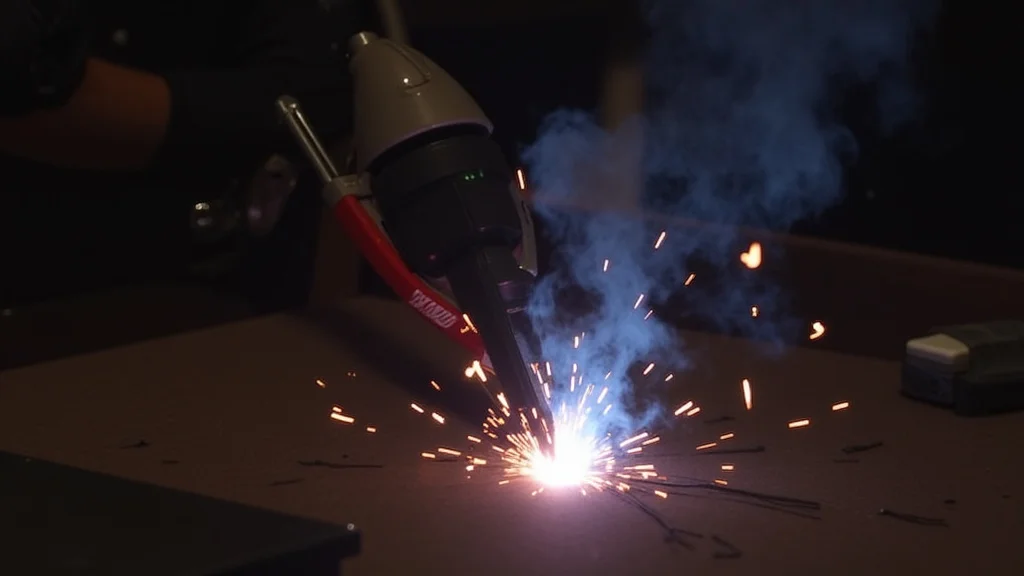
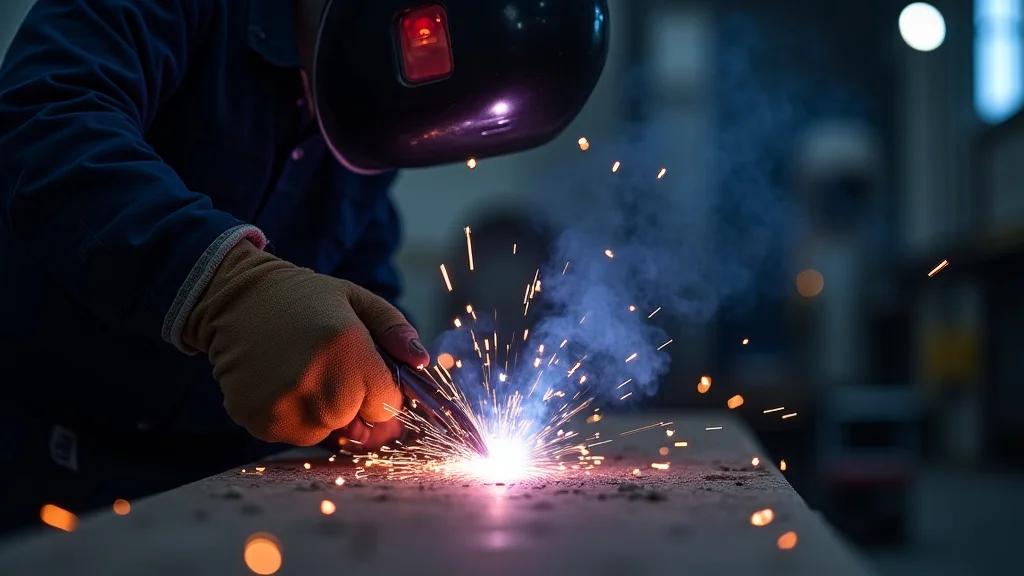
Welding involves high heat, bright lights, and sometimes sparks. Because of this, safety is a top priority. When you’re new to welding, figuring out all the different safety rules can feel like a big task.
But don’t worry! We’ll go through each important safety step so you can weld with confidence.
Personal Protective Equipment (PPE)
The first and most important thing for any welder is the right gear. This gear protects your body from heat, sparks, and harmful fumes.
Eye and Face Protection
Your eyes are very sensitive. Welding produces intense light, including ultraviolet (UV) and infrared (IR) rays. These can cause serious damage, like arc eye, which feels like sand in your eyes and can lead to temporary blindness.
Long-term exposure can even lead to cataracts.
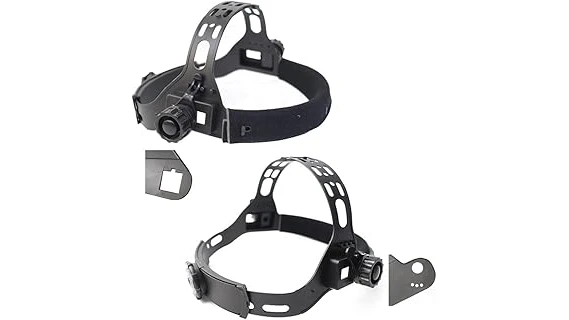
You need a welding helmet with the correct shade lens. For most common welding processes like stick, MIG, and TIG, a shade number between 9 and 13 is usually recommended. Always check the manufacturer’s recommendations for your specific welding process and amperage.
A helmet also protects your face and neck from sparks and heat. Some helmets have an auto-darkening feature. This means the lens goes dark instantly when an arc starts, so you don’t have to flip your helmet down every time.
This is a big help for beginners.
Body Protection
Your skin needs protection from sparks, hot metal, and UV rays. Regular clothes aren’t enough. They can melt, catch fire, or let heat through.
You should wear flame-resistant clothing. This means natural fibers like 100% cotton or special welding jackets and pants made from materials like leather or treated fabrics. Avoid synthetic materials like polyester or nylon.
They can melt onto your skin.
Make sure your clothes cover you completely. Wear long sleeves and long pants. Tuck your pants into your boots so sparks can’t get in.
Wear sturdy, closed-toe leather boots. They protect your feet from falling objects and hot metal.
Welding gloves are essential. They protect your hands from heat, sparks, and sharp edges of metal. Look for gloves made from leather or other heat-resistant materials.
They should be comfortable enough to allow you to work, but thick enough to provide good protection.
Respiratory Protection
Welding creates fumes and gases. Some of these can be harmful to breathe. The type of fumes depends on the metal you’re welding and any coatings on it.
In areas with good ventilation, you might not need a respirator for every job. However, if you are welding in a small space, working with coated metals (like galvanized steel), or if you feel any irritation, a respirator is a must.
A simple dust mask might not be enough. You may need a respirator with special cartridges designed to filter out welding fumes. It’s always a good idea to check the safety data sheet (SDS) for the materials you are welding to know what potential hazards are present.
Work Area Safety
Where you weld is just as important as the gear you wear. A safe workspace prevents accidents before they happen.
Ventilation
Good airflow is critical. Welding fumes can build up in the air, especially in enclosed spaces. This can cause breathing problems or long-term health issues.
Always weld in a well-ventilated area. If you can’t weld outdoors or in a large open space, use mechanical ventilation. This could be an exhaust fan that pulls fumes away from your breathing zone or an air-supplied respirator.
Make sure there are no flammable materials nearby. This includes things like rags, solvents, wood, or paper. Keep your work area clean and free of clutter.
Fire Prevention
Welding involves a lot of heat and sparks. Sparks can travel quite a distance and ignite flammable materials.
Before you start welding, check the area for anything that can catch fire. Remove anything flammable that is within a 35-foot radius of your welding. If you can’t move the flammable item, cover it with a fire-resistant blanket or shield.
Have a fire extinguisher ready and know how to use it. A Class ABC fire extinguisher is usually a good choice for welding fires. It can put out fires involving ordinary combustibles, flammable liquids, and electrical equipment.
Watch the area for at least 30 minutes after you finish welding. Hot spots can linger and start a fire later.
Electrical Safety
Welding machines use electricity. Improper use can lead to electric shock.
Make sure your welding machine is properly grounded. The power cord should be in good condition, with no frayed wires. Use a power source that matches the requirements of your welding machine.
Never touch the electrode holder with bare hands or wet gloves. Keep your work area dry. Avoid standing in water or on wet surfaces while welding.
Ensure all electrical connections are secure. If you notice any damaged wires or components on your welder, do not use it until it is repaired by a qualified technician.
Ergonomics and Body Mechanics
Welding can be physically demanding. Holding awkward positions for long periods can lead to muscle strain and other injuries.
Try to position yourself comfortably. Use stands, chairs, or cushions to support your body. Adjust your welding position so you are not twisting or reaching in awkward ways.
Take breaks often. Stand up, stretch, and move around to prevent stiffness and fatigue. Listen to your body; if something hurts, change your position or take a break.
Training and Awareness
Knowing what to do is one thing, but actually practicing safe habits is key. Proper training is the foundation of welding safety.
Always follow the manufacturer’s instructions for your welding equipment. If you are new to welding, seek out training from experienced welders or take a welding course. This will teach you the correct techniques and safety procedures.
Stay aware of your surroundings. Pay attention to what others are doing in the workshop and be mindful of potential hazards. If you see something unsafe, speak up.
Frequently Asked Questions
Question: What is the most important piece of safety gear for welding?
Answer: The most important piece of safety gear is your welding helmet with the correct shade lens to protect your eyes and face from intense light and sparks.
Question: Can I weld in my garage if I open the door?
Answer: Opening the garage door helps with ventilation, but it might not be enough if you’re welding for a long time or with certain materials. It’s best to ensure there’s good airflow that actively removes fumes from your breathing zone.
Question: What should I do if I see sparks flying towards flammable material?
Answer: Immediately stop welding and use a fire extinguisher to put out any sparks or flames. Then, remove the flammable material or ensure it is completely covered before continuing.
Question: Is it safe to wear synthetic clothes while welding?
Answer: No, it is not safe. Synthetic clothes like polyester or nylon can melt onto your skin when exposed to heat or sparks, causing severe burns. Always wear flame-resistant natural fibers or specialized welding apparel.
Question: How can I avoid getting an electric shock while welding?
Answer: Ensure your welding machine is properly grounded, use dry gloves and clothing, avoid standing in water or on wet surfaces, and never touch the electrode holder with bare skin.
Final Thoughts
Staying safe while welding is all about being prepared and aware. You learned about the key protective gear, like helmets and gloves, and why they matter. We also covered how to set up a safe work area, especially by keeping it clean and having fire safety tools.
Remember to always check your electrical setup and think about how you hold your body to avoid strain. Good training and paying attention to your surroundings are your best tools for preventing accidents. By following these common welding safety precautions, you can weld with confidence and keep yourself protected.