Many people find MIG welding tricky when they first start. It’s easy to make mistakes that make your welds look messy or not strong enough. But don’t worry!
This guide will show you exactly what to watch out for. We’ll break down What Are Common MIG Welding Mistakes to Avoid? into simple steps. You’ll learn how to fix those common problems and make great welds every time.
Let’s get started on making your welding skills better.
Key Takeaways
- Beginners often struggle with wire feed speed and voltage settings.
- Proper gun angle and stickout are vital for good MIG welds.
- Contamination on the metal surface can ruin weld quality.
- Knowing how to move the welding gun correctly makes a big difference.
- Protecting yourself with the right gear is always important.
- Practice is key to mastering MIG welding techniques.
Understanding MIG Welding Basics
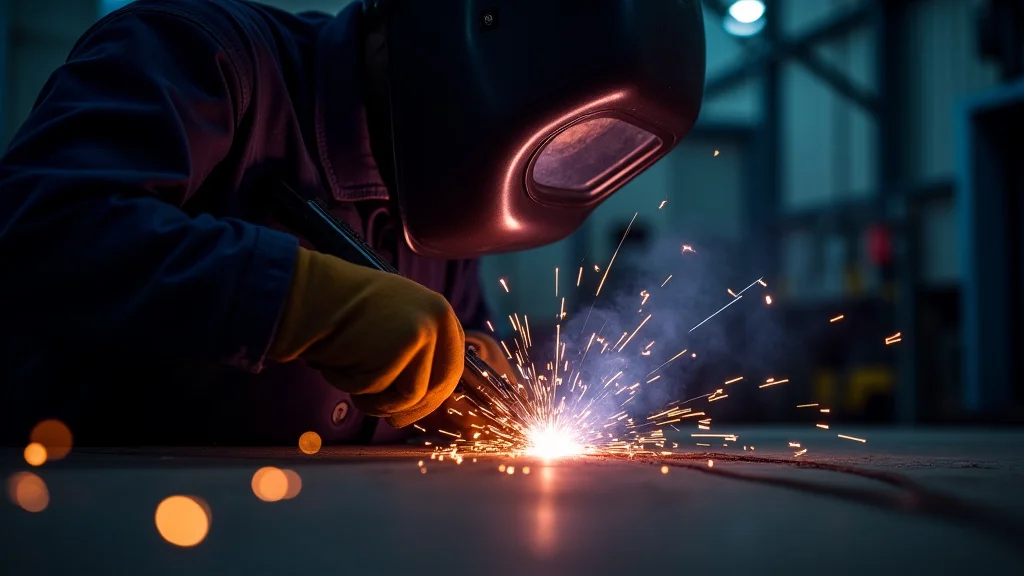
MIG welding, also called Gas Metal Arc Welding (GMAW), is popular because it’s quite forgiving. It uses a wire electrode that feeds automatically. This wire melts and joins two pieces of metal.
A shielding gas protects the molten metal from the air. While it’s simpler than some other welding types, beginners still face common hurdles. These can lead to weak welds, ugly beads, or even safety issues.
Wire Feed Speed and Voltage Settings
One of the biggest challenges for new welders is getting the wire feed speed and voltage just right. These two settings work together. They control how the wire melts and how deep the weld penetrates.
If the wire feed speed is too high, you might get a “spitting” arc and a weak weld. If it’s too low, the wire might not melt properly. The voltage affects the arc length.
Too high a voltage can make the arc too wide and spattery. Too low can lead to a narrow, spiky arc.
Many beginner projects give specific settings to start with. These are usually a good guide. For example, welding 1/8 inch thick mild steel might call for a certain voltage and wire speed.
Always check your machine’s manual or a welding chart. Try to keep the voltage and wire speed balanced. A good rule of thumb is that the wire speed should match the voltage.
You want a smooth, consistent arc.
The Importance of Gun Angle
The angle of your welding gun is super important. It affects how the weld puddle forms and how the shielding gas protects it. For MIG welding, you generally want to push the gun, not pull it.
This is called a “push” technique.
When you push the gun, the shielding gas flows better over the weld puddle. This helps prevent defects like porosity. A push angle also gives you a flatter, wider bead.
If you pull the gun, called a “drag” technique, the gas can be blown away from the puddle. This often leads to spatter and weaker welds. Imagine pushing a shopping cart; you can see where you’re going better.
It’s similar with the MIG gun.
Wire Stickout Explained
Wire stickout is the amount of welding wire that sticks out from the tip of your welding gun. This might seem small, but it matters a lot. Too much stickout can cause problems.
The wire can get too hot before it reaches the metal. This can lead to a weak, spattery weld. It also makes it harder for the shielding gas to protect the weld.
Ideally, you want a consistent stickout. For most MIG welding, about 1/2 inch to 3/4 inch of wire sticking out is a good range. Always try to keep this distance the same as you weld.
A consistent stickout helps create a consistent weld. If your stickout changes a lot, your weld quality will suffer.
Surface Contamination
Clean metal is key to good welds. If the metal you’re welding has rust, paint, oil, or dirt on it, it can cause big problems. These contaminants can get trapped in the weld puddle.
This creates tiny holes called porosity. Porosity makes your weld weaker and look bad. It’s like trying to build a wall with dirty bricks – it won’t be strong.
Before you start welding, always clean the metal. Use a wire brush or sandpaper to remove any rust or debris. If there’s paint or oil, use a degreaser.
For critical welds, you might even need to use a grinder. Taking a few extra minutes to clean your metal will save you a lot of headaches later.
Travel Speed and Movement
How fast you move the welding gun and how you move it also affects the weld. If you move too fast, the weld won’t have enough time to melt the metal properly. This leads to a narrow bead and a weak joint.
If you move too slow, the weld puddle can get too big. This can cause the metal to sag or burn through, especially on thinner materials.
You want a steady travel speed. Most beginners find a consistent, medium speed works best. As for movement, a slight side-to-side weave can help spread the heat.
However, for MIG welding, a simple straight pass is often fine. Focus on keeping your speed and angle consistent. Watching the weld puddle is your best guide.
It should look like a small, glowing pool.
Shielding Gas Issues
The shielding gas is there to protect your weld from the air. If the gas flow is wrong, you’ll get problems. If the flow is too low, the gas won’t cover the weld puddle.
This results in porosity and a weak weld. If the flow is too high, the gas can blow away from the puddle. This also causes contamination and spatter.
You can check your gas flow with a flowmeter on your gas bottle. A good starting point for MIG welding is usually 15-25 cubic feet per hour (CFH). Listen to the hissing sound when you pull the trigger.
It should be a steady, gentle hiss. Also, make sure there are no drafts or fans blowing directly on your weld. Drafts can disturb the gas shield.
Ground Clamp Connection
A good ground connection is essential for electricity to flow properly. The ground clamp connects your welding machine to the piece of metal you’re welding. If the clamp isn’t attached securely, you might have a weak arc or no arc at all.
Loose connections create resistance, which means less power gets to the weld.
Always attach the ground clamp directly to the metal workpiece. Make sure there’s clean metal touching the clamp. Remove any paint, rust, or dirt from the connection point.
A good, solid connection ensures a strong, consistent arc.
Choosing the Right Wire
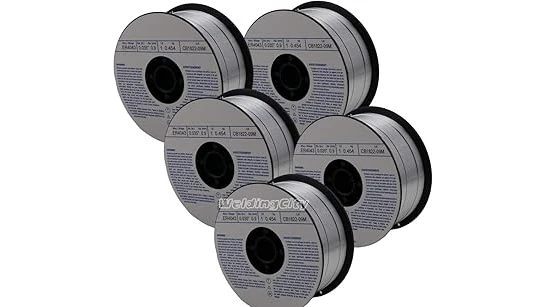
There are different types of welding wire for MIG. Using the wrong type can cause welding issues. For general steel fabrication, ER70S-6 is a very common and versatile wire.
It has good deoxidizers to help clean up the weld puddle. For stainless steel or aluminum, you need specific wires for those materials.
Always check what the wire is made for. The packaging will tell you. Make sure your wire type matches the metal you are welding.
Also, ensure the wire diameter is suitable for the thickness of your material. Thicker wire is for thicker metal, and thinner wire is for thinner metal.
Wire Feed Problems
Sometimes, the wire doesn’t feed smoothly. This can be caused by a few things. The drive rolls in the wire feeder might be dirty or worn out.
They need to grip the wire tightly to push it through the gun liner. The gun liner itself can get kinked or clogged with wire shavings.
Check the drive rolls for dirt and make sure they are set to the correct tension. If the liner looks damaged, it might need to be replaced. A smooth wire feed is crucial for a consistent arc and good weld quality.
You don’t want the wire stopping or snagging mid-weld.
Post-Weld Cleaning
After you weld, there’s usually some spatter. This is the little bits of metal that fly off during welding. You need to clean these off.
If you don’t, they can look messy and might even get stuck to the surface. A wire brush is usually enough to remove most spatter. For stubborn bits, you might need a chipping hammer or a grinder.
Proper cleaning also makes your welds look much better. It shows you take pride in your work. It’s the finishing touch that makes a good weld look great.
Don’t skip this step!
Frequently Asked Questions
Question: What is the most common mistake beginners make with MIG welding?
Answer: The most common mistake is not setting the wire feed speed and voltage correctly. These need to be balanced for a good arc. Beginners often guess or use settings that are too high or too low.
Question: Why is gun angle so important in MIG welding?
Answer: The gun angle affects how the shielding gas covers the weld and how the weld puddle forms. Pushing the gun usually gives better gas coverage and a flatter bead, leading to a stronger weld.
Question: How can I prevent porosity in my MIG welds?
Answer: Porosity is often caused by contamination on the metal surface or poor shielding gas coverage. Always clean your metal thoroughly before welding. Ensure your gas flow is correct and that there are no drafts.
Question: What happens if my wire stickout is too long or too short?
Answer: Too long a stickout can cause the wire to overheat, leading to a weak weld and spatter. Too short can cause the tip to get too hot and damage the gun. Aim for a consistent 1/2 to 3/4 inch.
Question: Do I really need to clean my metal before welding?
Answer: Yes, absolutely. Any rust, paint, oil, or dirt on the metal can cause defects like porosity and weaken your weld. Cleaning the metal is a simple step that greatly improves weld quality.
Final Thoughts
Learning MIG welding takes practice, but avoiding common mistakes makes it much easier. Focus on getting your settings right, maintaining a good gun angle, and keeping your metal clean. Always check your wire stickout and ground connection.
Smooth wire feed and proper gas flow are also key. By paying attention to these simple tips, you’ll make stronger, cleaner welds. Keep practicing, and you’ll see your skills improve quickly.
You’ve got this!