
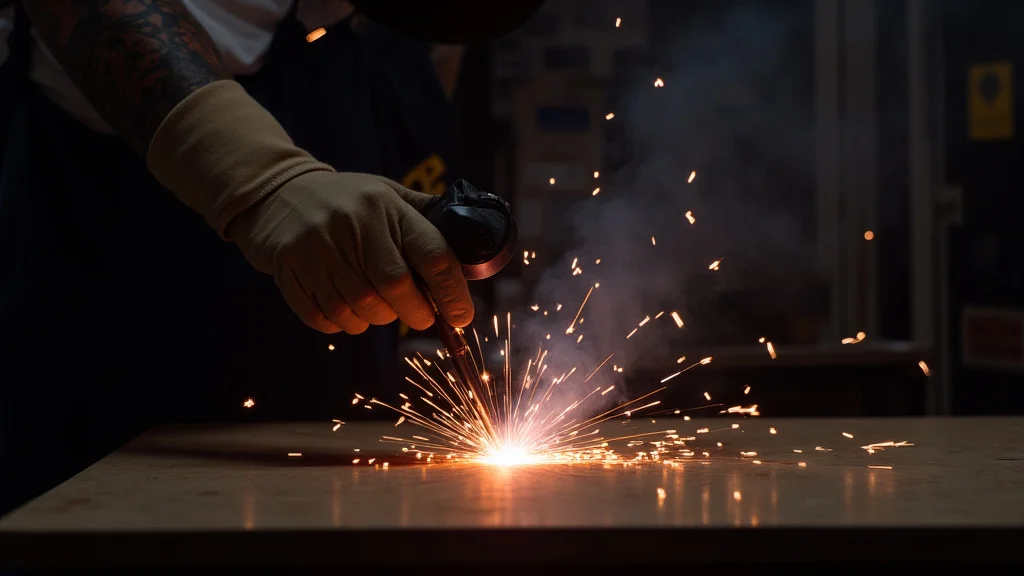
Getting started with welding can feel like a lot. Learning How to Use a Welding Table for Beginners might seem tricky at first. But don’t worry!
We’ll walk you through it step-by-step. This guide makes it super simple. We’ll cover everything you need to know to get welding safely and efficiently.
Ready to see how easy it can be? Let’s start with what you’ll learn.
Key Takeaways
- You will learn what a welding table is and why it’s important.
- We’ll explain the different types of welding tables.
- You’ll discover how to set up and prepare your welding table.
- We’ll cover basic usage and safety tips.
- You’ll get advice on choosing the right table for your needs.
What is a Welding Table?
A welding table is a workbench specifically designed for welding projects. It’s built to be strong, stable, and safe for handling hot metal and sparks. Think of it as your welding command center.
It gives you a solid, flat surface to work on. This helps keep your projects steady and makes welding much easier and safer.
Why is it Important for Beginners?
For those just starting out, a welding table is a big help. It makes it simpler to position your metal pieces correctly. A good table also keeps sparks and hot slag away from your floor and surroundings.
This means fewer fire hazards. It helps you focus on learning the welding itself, not fighting with unstable parts. Having a dedicated space also helps you get organized and keep your workspace tidy.
Types of Welding Tables
Welding tables come in many shapes and sizes. Some are very basic, while others have special features. Understanding the options can help you pick the best one for you.
Here are a few common types.
Stationary Steel Tables
These are the most common. They are made from thick steel, usually with a flat top. They are very strong and don’t move.
Many have holes in the top. These holes let you use clamps and jigs to hold your metal in place. They are great for a dedicated workshop where space isn’t an issue.
Portable Welding Tables
If you need to move your welding setup around, portable tables are a good choice. They are often lighter and might have wheels. Some fold up for easy storage and transport.
While not as heavy as stationary ones, they still offer a stable surface for most welding jobs. They are perfect for small shops or if you need to weld in different locations.
Adjustable Height Tables
Some tables let you change the height. This is super handy. You can set the table to a comfortable height for you, whether you’re standing or sitting.
This helps reduce strain on your back and body. Being able to adjust the height also makes it easier to work on projects of different sizes.
Gridded or Slotted Tables
These tables have a pattern of slots or holes across the entire top surface. This design is excellent for clamping. You can place clamps anywhere on the table to secure your workpiece.
It gives you a lot of flexibility when positioning parts for welding. This is especially useful for complex projects or when you need to hold things at odd angles.
Setting Up Your Welding Table
Getting your welding table ready is the first step before you start welding. A well-set-up table makes the whole process smoother and safer. It doesn’t take much time, but it’s worth doing right.
Choosing the Right Location
First, pick a good spot for your table. It needs to be well-ventilated. Welding fumes are not good to breathe.
Make sure there’s enough space around the table to move freely. Keep flammable materials far away. Think about where you’ll plug in your welder and other tools.
Leveling the Table
Your welding table needs to be perfectly level. If it’s wobbly or uneven, your projects won’t be straight. This can cause a lot of frustration.
Use a level to check the surface. You might need to adjust the legs if your table has adjustable feet. Sometimes, you can place shims under the legs to make it stable.
Cleaning the Surface
Before you use your table, clean the surface. New tables might have grease or oil on them. Old tables can get covered in rust, slag, or paint.
You want a clean metal surface for good contact. Use a wire brush or a grinder to clean off any debris. A clean surface helps prevent unwanted contamination in your weld.
Basic Usage and Safety
Using a welding table correctly is key to safety and good results. Always remember that welding involves heat and sparks. Safety should always be your top priority.
Securing Your Workpiece
This is where clamps come in. Use C-clamps, F-clamps, or welding magnets to hold your metal pieces firmly in place on the table. Make sure the pieces won’t move while you’re welding.
Loose parts can lead to bad welds or dangerous situations.
Using Table Accessories
Many welding tables have holes or slots. These are for special clamps, vises, or jigs. These tools help you hold metal at specific angles or keep multiple pieces aligned.
They are essential for getting accurate results, especially on repeatable projects.
Spark Management
Welding creates sparks and hot metal. Always have a fire extinguisher nearby. Keep the area around your table clear of anything that could catch fire.
Wear your welding helmet, gloves, and protective clothing to shield yourself from sparks and heat.
Personal Protective Equipment (PPE)
Your PPE is your shield. This includes a welding helmet with the correct shade lens for your welding process. Wear sturdy leather gloves to protect your hands.
Flame-resistant clothing, like a welding jacket or apron, is also vital. Closed-toe leather boots are a must. Never wear synthetic clothing, as it can melt.
Ventilation
Good ventilation is non-negotiable. Welding fumes can be harmful. Always weld in a well-ventilated area.
If you can’t open windows or doors, use a fume extraction system. This helps clear the air and keeps you safe.
Choosing the Right Welding Table
When you’re buying a welding table, consider a few things. What kind of projects will you be doing? How much space do you have?
What’s your budget?
Material Thickness
Look for a table made from thick steel. A thicker top surface is more durable and less likely to warp from heat. For heavier welding, a thicker top is crucial.
Table Size
Consider the size of the projects you’ll work on. If you’re building small parts, a smaller table might be fine. For larger projects like frames or gates, you’ll need a bigger table.
Hole Pattern System
If you plan to use many clamps and fixtures, a table with a good hole or slot system is very helpful. The spacing and size of the holes matter for versatility.
Budget
Welding tables can range from inexpensive DIY options to costly professional models. Decide how much you can spend. Remember that a good table is an investment that will make your welding easier and safer.
Frequently Asked Questions
Question: What is the main purpose of a welding table?
Answer: The main purpose of a welding table is to provide a stable, flat, and safe surface for welding projects. It helps hold metal pieces steady, manage sparks, and keep the workspace organized.
Question: Do beginners really need a welding table?
Answer: Yes, beginners can greatly benefit from a welding table. It simplifies the process of holding workpieces and improves safety by providing a dedicated, fire-resistant workspace.
Question: How do I clean my welding table?
Answer: You can clean your welding table with a wire brush or grinder to remove rust, slag, and paint. Ensure the surface is clean and free of grease for better welding.
Question: Are portable welding tables good for beginners?
Answer: Portable welding tables can be a good option for beginners, especially if space is limited. They offer a stable surface and can be moved out of the way when not in use.
Question: What safety gear is most important when using a welding table?
Answer: The most important safety gear includes a welding helmet, leather gloves, flame-resistant clothing, and sturdy boots. Good ventilation is also critical.
Final Thoughts
You’ve learned the basics of How to Use a Welding Table for Beginners. You now know why these tables are helpful, the different kinds available, and how to get yours set up. We covered how to keep your workpiece secure and stay safe with proper gear and ventilation.
Choosing the right table depends on your projects and space. With a little practice, your welding table will become your favorite tool. Get ready to create!
Leave a Reply