Having trouble with your stick welding? A weak arc can be super frustrating, especially when you’re just starting out. It makes it hard to get a good weld and can leave you scratching your head.
But don’t worry! This guide is here to help you figure it out. We’ll walk through How to Troubleshoot Weak Arc in Stick Welding step-by-step.
After we fix this, you’ll be welding like a pro in no time.
Key Takeaways
- You’ll learn the main reasons why a stick welding arc might be weak.
- We will cover how different settings on your welder affect the arc strength.
- Discover how the type of welding electrode plays a role in arc stability.
- Understand the importance of clean metal for a strong, consistent arc.
- You’ll get simple tips to quickly fix a weak arc on your next project.
- This post helps beginners build confidence with their stick welding skills.
Understanding the Stick Welding Arc
What is a Welding Arc?
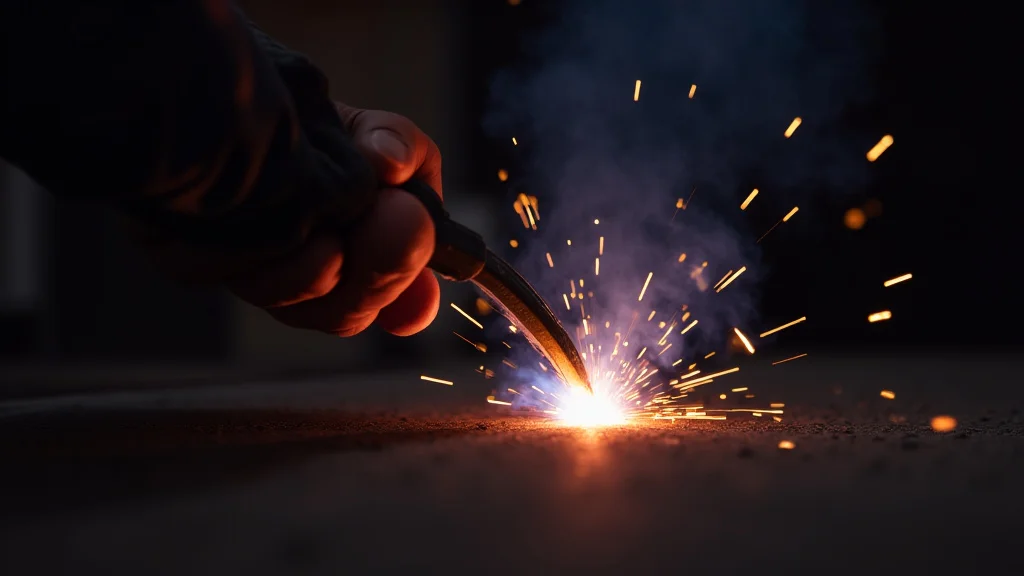
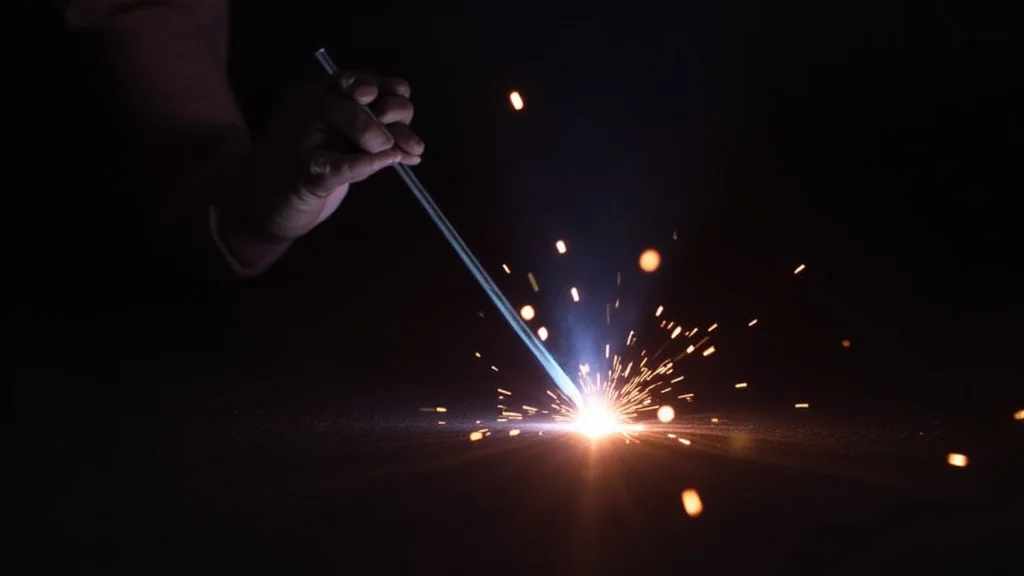
A welding arc is basically a big spark. It’s a super hot stream of electricity that jumps from the electrode to the metal you’re welding. This heat melts the metal and the electrode, letting them mix together to form a strong joint.
Think of it like a mini lightning bolt that melts your metal.
Why a Weak Arc is a Problem
When your arc is weak, it’s like trying to start a fire with wet wood. It’s hard to get going and doesn’t burn hot enough. A weak arc means less heat getting to your metal.
This can cause your welds to be too thin, have holes, or not stick together well. It’s a sign that something isn’t quite right with your setup or technique.
Common Causes of a Weak Arc
Incorrect Amperage Settings
Amperage is like the “oomph” of your electricity. Too little amperage means not enough power for a strong arc. It’s like turning down the volume on your music; it just won’t sound as good.
You need the right amount of amperage to get that melting action happening.
Different welding jobs need different amperage levels. Thicker metals usually need more amps than thinner ones. Also, different welding rods need specific amperage ranges to work their best.
Wrong Electrode Type or Size
Welding electrodes, or “rods,” come in many varieties. Some are made for starting easily and maintaining a stable arc, while others are trickier. Using the wrong type of rod for your job or metal can cause arc problems.
The size of the electrode matters too. A small rod might not put out enough heat for a thick piece of metal. A rod that’s too big for the material can burn through it too fast, but a rod that’s too small will struggle to make a solid weld, often leading to a weak arc.
Poor Ground Connection
Your welding machine needs a good connection to the metal you’re working on. This is called the ground clamp. If the clamp is loose, dirty, or on rusty metal, the electricity can’t flow properly.
This makes the arc weak and jumpy.
Imagine trying to get water through a leaky hose; it won’t come out with much force. A bad ground is like that leaky hose for your welding electricity. You need a clean, solid connection for the electricity to flow freely.
Dirty or Contaminated Metal
The metal you’re welding needs to be clean. Rust, paint, oil, or dirt on the surface can get in the way of the arc. These things can cause the arc to sputter, pop, and be weak.
It’s like trying to shake hands with someone wearing gloves; it’s not a direct connection.
Cleaning the metal before you weld is a simple but important step. It ensures the arc can focus its energy directly on the metal you want to melt.
Electrode Angle and Travel Speed
How you hold the welding rod and how fast you move can also affect the arc. If you hold the rod at a very steep angle, or drag it too fast, the arc can become unstable. This interrupts the steady flow of electricity and heat.
Imagine trying to draw a smooth line with a pencil while moving your hand super fast and at a weird angle. The line won’t be very good. The same idea applies to welding.
A steady hand and a consistent speed help keep the arc strong and even.
Machine Issues
Sometimes, the problem might be with the welding machine itself. Older machines, or machines that haven’t been serviced, might not be putting out their full power. Internal wiring issues or worn-out parts can lead to a weak arc.
If you’ve checked everything else and still have a weak arc, it might be time to have your machine looked at by a professional.
Troubleshooting Steps for a Weak Arc
Let’s go through what you can do to fix a weak arc. Follow these steps, and you’ll likely find the problem.
Step 1: Check Your Amperage
This is usually the first thing to look at. What kind of metal are you welding? How thick is it?
Look at your welding rod’s packaging. It will tell you the recommended amperage range for that specific rod. If you’re unsure, start in the middle of the recommended range and adjust from there.
Tip: For beginners, it’s often better to run a little hotter (higher amperage) than too cold. Too cold and you won’t get fusion; too hot and you might burn through.
Step 2: Inspect Your Ground Clamp
Make sure your ground clamp is attached firmly to the metal you are welding. Clean the spot where the clamp attaches. Remove any paint, rust, or dirt with a wire brush.
A good, shiny metal surface makes all the difference.
Tip: If you’re welding something small, try to clamp the ground directly to that piece. If you’re welding a large structure, clamp to a clean spot on the main piece.
Step 3: Examine Your Electrode
Are you using the right rod for the job? For general purpose welding, rods like 6013 or 7018 are popular and generally easy to start. Check the rod’s coating.
If it looks chipped or damaged, it might not perform as well.
Make sure the electrode is the correct size for the thickness of your metal and the amperage you’re using. For example, a 1/8-inch rod is common for general use on medium-thickness steel.
Step 4: Clean Your Work Surface
Before you start welding, take a wire brush and clean the area where you plan to make your weld. Remove all grease, paint, rust, and any other debris. This ensures a clean path for the electricity and a strong weld.
Tip: For really stubborn dirt or paint, you might need a grinder with a wire wheel attachment.
Step 5: Adjust Your Technique
Hold the electrode at a slight drag angle, about 10-15 degrees back from the direction you’re moving. Try to keep your travel speed steady. You want to hear a consistent sizzling sound, not loud pops or crackles.
Tip: Practice on scrap metal first. Try to maintain a consistent arc length – about the diameter of the electrode itself. Too close and it can stick, too far and the arc gets weak.
Step 6: Test Different Settings
If you’ve tried the above steps, you might need to experiment a bit. Try increasing the amperage slightly. If that doesn’t help, try a different brand or type of electrode.
Sometimes, one brand of rod works better with your machine than another.
When to Seek Professional Help
Most of the time, a weak arc is something you can fix yourself with a few adjustments. However, if you’ve tried everything and your arc is still weak or acting strange, it might be a sign of a problem with your welding machine. In that case, it’s a good idea to take it to a welding equipment repair shop.
They can check the internal components and make sure everything is working correctly.
Frequently Asked Questions
Question: What is the most common reason for a weak arc in stick welding?
Answer: The most common reason for a weak arc is usually incorrect amperage settings. Either the amperage is too low for the rod and material, or the ground connection is poor.
Question: Can using the wrong welding rod cause a weak arc?
Answer: Yes, absolutely. Different welding rods are designed for different jobs and require specific amperage and arc characteristics. Using a rod not suited for your material or machine can lead to a weak or unstable arc.
Question: How does a dirty work surface affect the welding arc?
Answer: Dirt, rust, paint, or oil on the work surface can interfere with the electrical current. This contamination makes it harder for the arc to form properly and can result in a weak, sputtering, or inconsistent arc.
Question: Should I adjust my amperage up or down if my arc is weak?
Answer: If your arc is weak, you should generally increase the amperage. This provides more power to melt the base metal and electrode, creating a stronger arc. However, be careful not to go too high, which can cause burn-through.
Question: What does it mean if my electrode keeps sticking to the metal?
Answer: When an electrode sticks, it usually means the amperage is too low or your arc length is too short. You need enough heat from the arc to keep the molten pool going and prevent the rod from freezing to the base metal.
Final Thoughts
You’ve learned the common reasons for a weak arc in stick welding. We covered how settings, rods, and cleanliness matter. Following the steps to check amperage, ground, and metal surface will help you fix most issues.
Making small adjustments can bring back that strong, steady arc you need. Keep practicing, and you’ll get the hang of it.