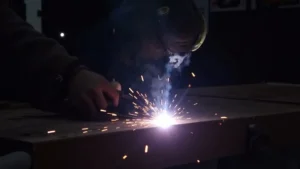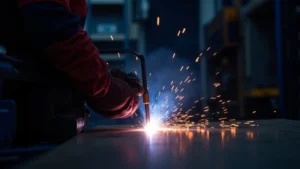
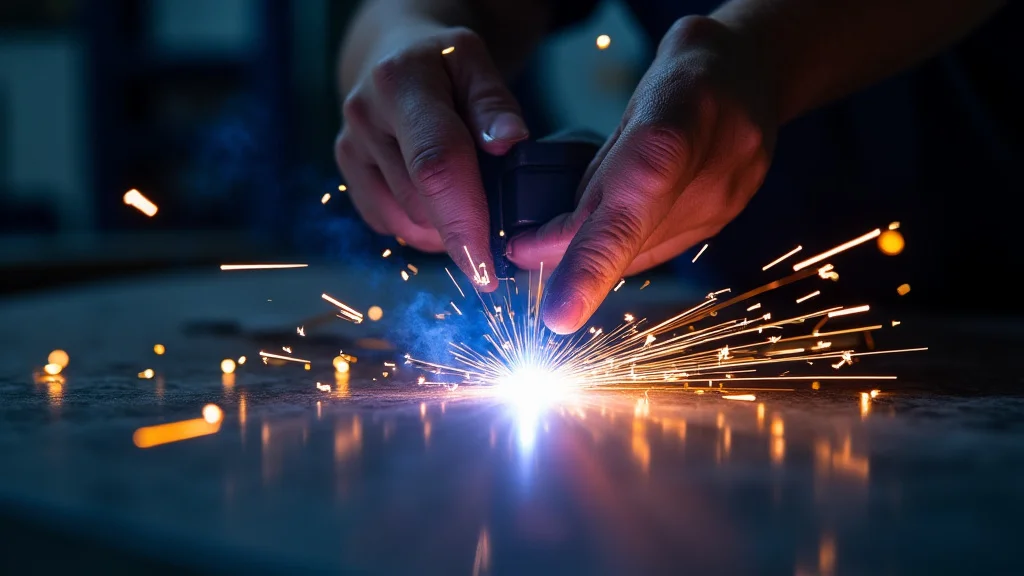
Welding thin metal can be tricky. It’s easy for the metal to warp or bend when you add heat. This is a common problem for many people just starting out.
But don’t worry! Learning How to Reduce Welding Distortion on Thin Metal isn’t as hard as it sounds. We’ll show you easy steps to keep your projects flat and straight.
First, let’s cover the main ideas you need to know.
Key Takeaways
- Understand that heat causes thin metal to distort.
- Learn how to use less heat when welding.
- Discover techniques that help manage heat.
- Know which welding settings work best for thin materials.
- Find out how to prepare your metal before welding.
Why Thin Metal Warps During Welding
When you weld, you’re applying a lot of heat in a small area. Thin metal doesn’t have much material to soak up this heat. So, the metal expands rapidly.
As it cools down, it shrinks. This expansion and shrinking pulls the metal, causing it to bend or warp. Think of it like heating a thin piece of paper – it curls up easily.
Thicker metal has more mass, so it can handle the heat better without changing shape so much.
Controlling Heat Input is Key
The most important thing for preventing distortion is to control how much heat you’re putting into the metal. Less heat means less expansion and shrinking. This means less warping.
So, finding ways to use less heat, or to use it smarter, is the goal.
Adjusting Your Welding Machine
Your welding machine settings play a big role. For thin metal, you generally want lower amperage. This means less heat is being produced.
If you’re using a MIG welder, a lower wire speed will also result in less heat. For TIG welding, a lower amperage setting is crucial. It’s like turning down the stove burner; you get gentle heat, not a blast.
Choosing the Right Welding Process
Some welding processes are better for thin metal than others. TIG welding is often preferred for thin materials because it offers very precise heat control. MIG welding can also work, but you need to be careful with your settings and technique.
Stick welding (SMAW) is usually too hot and difficult to control for very thin metals.
Using the Correct Filler Material
The type of filler metal you use can also affect distortion. Sometimes, using a filler metal that has a lower melting point or expands less when heated can help. It’s not always the biggest factor, but it can make a difference on very sensitive jobs.
Welding Techniques for Thin Metal
Beyond just machine settings, how you actually make the weld matters a lot. There are specific ways to move your torch or gun and to place your welds that help fight warping.
Short Welds and Stitch Welding
Instead of making one long, continuous weld, try making short welds. This is called stitch welding. You weld a little, then move to another spot and weld a little there.
This spreads out the heat. It gives the metal time to cool down between weld spots. This is a very effective way to keep the metal from building up too much heat in one place.
Backstep Welding
This is another method where you put heat in different places. Instead of welding from left to right, you weld a short section, then move backward a little and weld another short section forward. This helps to pull the metal in the opposite direction of the main weld, canceling out some of the distortion.
Peening
Peening is a technique where you lightly hammer the weld bead after it cools slightly. This stretching action can help counteract the shrinking forces of the weld as it fully cools. You don’t hit it hard; it’s more like tapping.
This is often done with a ball-peen hammer.
Using Jigging and Clamping
Sometimes, you need to physically hold the metal in place while you weld. This is done with clamps, jigs, or fixtures. These tools help to brace the metal and resist the forces that cause it to warp.
Think of them as holding the metal still while it cools, so it doesn’t move out of shape.
Heat Sinks
A heat sink is something you place next to your weld to soak up some of the extra heat. Copper or aluminum plates work well. They draw heat away from the weld area, helping to keep the surrounding metal cooler.
This means less expansion and shrinking.
Balanced Welding
Try to weld in a way that balances the heat. If you’re welding a long seam, try welding a bit in the middle, then a bit on one end, then a bit on the other end. This helps to distribute the heat more evenly and prevents the metal from pulling in one direction.
Preparing Your Metal is Important
What you do before you even start welding can make a big difference. Good preparation means a better weld and less chance of distortion.
Cleaning the Metal
Always start with clean metal. Rust, paint, oil, or dirt can cause problems. They can burn, create fumes, and weaken the weld.
A clean surface helps your heat transfer evenly and your weld penetrate properly.
Fit-Up
Make sure the pieces of metal you are joining fit together well. If there are large gaps, you’ll need to add more filler metal, which means more heat. A good fit-up makes the job easier and reduces the chance of warping.
Edge Preparation
For some thin metals, beveling the edges might be needed to get good penetration. However, for very thin materials, you often just butt them together. If you do need to bevel, keep the bevel small to avoid adding too much heat to the edge.
Choosing the Right Welding Consumables
The materials you use for welding, like electrodes and shielding gas, can also impact distortion. For thin metals, using the right consumables is key.
Shielding Gas for MIG Welding
For MIG welding thin steel, a mix of Argon and CO2 is common. However, using a gas with a higher percentage of Argon can sometimes lead to a cooler arc, which can help reduce distortion. For aluminum, pure Argon is typically used.
Filler Wire Diameter
When using MIG or TIG, the diameter of your filler wire matters. For thin metals, you’ll want to use smaller diameter filler wires. This delivers less material and therefore less heat into the weld joint.
Common Mistakes to Avoid
Even with the best intentions, beginners can make mistakes that lead to distortion. Knowing these common pitfalls can help you avoid them.
- Too much heat: This is the number one cause of distortion. Always try to use the lowest heat setting that still gives you a good weld.
- Long, continuous welds: As mentioned, break up your welds to manage heat.
- Not clamping: If the metal is thin and likely to warp, clamp it down!
- Welding too fast or too slow: Find the right speed. Too fast might not give enough fusion; too slow adds too much heat.
- Ignoring the material type: Different metals behave differently. Stainless steel, for instance, has different properties than mild steel and may require slightly different approaches.
FAQ Section
Question: What is the best welding process for thin metal?
Answer: TIG welding is often considered the best for thin metal because it offers the most control over heat input. MIG welding can also be used with proper settings and technique.
Question: How can I stop my thin metal from bending after welding?
Answer: You can reduce bending by using less heat, making short welds, clamping the metal, and using heat sinks. Proper preparation also helps.
Question: Should I use a lot of filler metal on thin steel?
Answer: No, you should use as little filler metal as possible. Use a small diameter filler wire and aim for a neat, minimal weld bead.
Question: Is it better to weld thin metal in one go or in sections?
Answer: It’s much better to weld in sections or use stitch welding. This allows the heat to spread out and cool down, preventing excessive warping.
Question: How do I know if my welding machine settings are right for thin metal?
Answer: For thin metal, you generally want low amperage and low wire speed (for MIG). The weld should sound smooth and consistent, not “spattery” or too hot.
Final Thoughts
Dealing with thin metal and preventing distortion is a skill that gets better with practice. Remember to keep your heat input low. Use short welds and spread them out.
Clamp your work down when you can. Always start with clean metal. By following these tips, you’ll find your welds are straighter and your projects look much better.
You’ve got this!