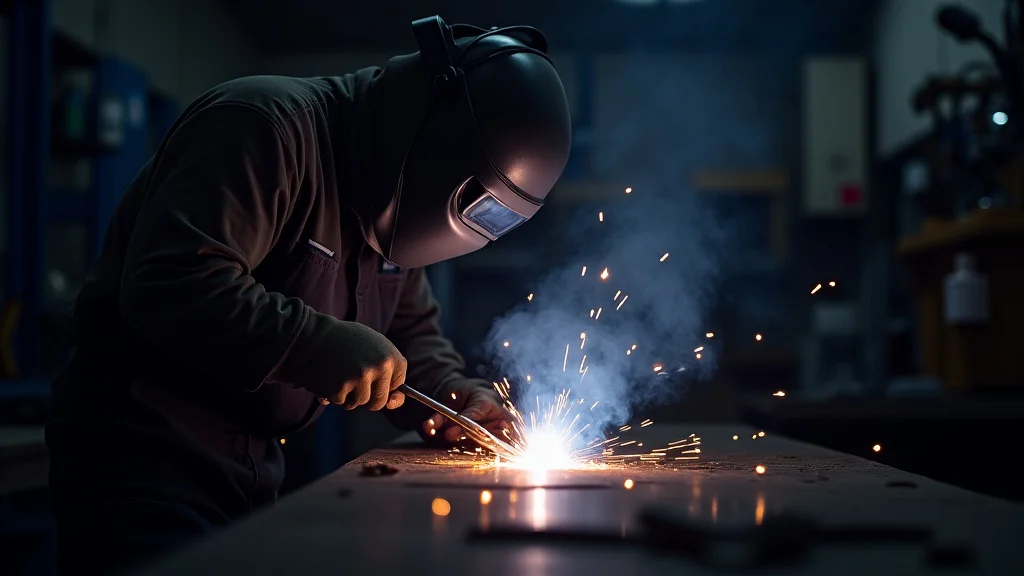
Welding creates fumes you can see and some you can’t. Breathing these in is not good for you. Knowing How to Protect Yourself from Welding Fumes is super important, especially when you’re just starting out.
It might seem like a lot to think about, but we’ll break it down step-by-step to make it easy to follow. We’ll show you the simple ways to stay safe and healthy while you weld, covering everything you need to know right after this.
Key Takeaways
- You will learn what welding fumes are and why they are a health risk.
- We will cover different types of personal protective equipment (PPE) for fume protection.
- You will discover how ventilation works to clear welding fumes.
- We will explain how to set up a safe welding work area.
- You will get tips on choosing the right welding process for less fumes.
- We will show you how to check your fume protection is working.
Understanding Welding Fumes
What Are Welding Fumes?
When you weld, heat melts metal. This hot metal turns into tiny particles that float in the air. These particles are called welding fumes.
They are like a very fine dust. Some fumes come from the metal you are welding. Others come from the welding rod or wire you use.
Even the coatings on the metal can create fumes.
These fumes are not just plain smoke. They can contain different metals and chemicals. The type of metal being welded makes a big difference.
For example, welding steel might release iron. Welding galvanized steel (steel with a zinc coating) releases zinc. This zinc can be particularly irritating.
Aluminum and stainless steel also create specific fumes with their own risks.
Why Are Welding Fumes Harmful?
Breathing in welding fumes can cause immediate problems. You might start coughing or feel like your throat is sore. Some people get a headache.
It can also make your eyes water or burn. For some, it’s like having a bad cold or the flu, which is often called “metal fume fever.” This usually goes away after a day or two.
The bigger worry is what happens over a long time. If you breathe in these fumes day after day, year after year, it can lead to serious health issues. This includes lung damage, breathing problems like asthma, and even certain types of cancer.
Some metals in the fumes can affect your brain or kidneys. Protecting yourself is key to avoiding these long-term dangers.
Personal Protective Equipment (PPE) for Fume Protection
Respirators: Your First Line of Defense
When you’re welding, your lungs are a priority. Respirators are like masks that fit over your nose and mouth. They clean the air before you breathe it in.
There are different types of respirators. Some are simple masks that filter out particles. Others are more advanced and use powered fans to bring in clean air.
For welding fumes, you often need a respirator that can filter out both particles and gases. This is called a combination cartridge. Look for respirators that are approved by safety organizations like NIOSH in the United States.
Make sure the respirator fits snugly against your face. If it’s too loose, dirty air can get in around the edges.
Types of Respirators:
- Disposable Filtering Facepiece Respirators (Dust Masks): These are good for very light work and low fume levels. They are usually marked with an “N95” or higher rating.
- Half-Facepiece Respirators: These cover your nose and mouth and use replaceable cartridges. They offer better protection than disposable masks.
- Full-Facepiece Respirators: These cover your whole face, including your eyes. They offer the highest level of protection for your lungs and eyes.
- Powered Air-Purifying Respirators (PAPRs): These have a battery-powered fan that pulls air through filters and blows it into a hood or mask. They are very effective and comfortable for long periods.
Choosing the Right Respirator Cartridge
The cartridge is the part of the respirator that cleans the air. For welding, you need the right kind. You will often need cartridges that filter out both particulates (like fine dust) and organic vapors or acid gases if certain coatings are present.
Check the respirator manufacturer’s recommendations for welding fume protection. They will tell you which cartridges are best.
It’s important to replace cartridges regularly. They get dirty and stop working as well. Follow the manufacturer’s schedule for changing them.
If you start to smell welding fumes while wearing the respirator, it’s a sign the cartridge needs to be replaced immediately.
Other Essential PPE
Beyond respirators, other gear protects you. Welding helmets protect your eyes and face from sparks and intense light. But they also protect your breathing if they have a built-in air supply.
Flame-resistant clothing is also vital. It stops sparks from burning your skin. Look for clothing made from materials like cotton, wool, or special synthetics designed for welding.
Gloves are important for protecting your hands. They should be made of leather or other heavy-duty materials. Safety glasses should be worn under your welding helmet for an extra layer of eye protection.
These items may not directly filter fumes, but they create a safer environment overall, reducing risks that could lead to more exposure.
Ventilation: Clearing the Air
Why Ventilation Matters
Even with the best respirator, good ventilation is a big help. Ventilation means moving the air in your welding area. This clears out the fumes and brings in fresh air.
Think of it like opening windows when cooking to get rid of smoke. For welding, it’s even more critical.
When you weld, fumes rise. If you don’t have good ventilation, these fumes can build up around your head. This means you’re breathing more of them in, even if you have a respirator.
Proper ventilation makes your breathing zone cleaner and safer.
Types of Ventilation for Welding
There are a few ways to get good ventilation.
- Natural Ventilation: This is the simplest. It means welding in a large, open area. Open doors and windows help a lot. This works best for small welding jobs in spacious settings.
- General Dilution Ventilation: This uses fans to move air around a room. Big fans can help push fumes away from you and out of the area. It’s like having a constant breeze.
- Local Exhaust Ventilation (LEV): This is the most effective. LEV systems capture fumes right where they are made, before they spread out.
Local Exhaust Ventilation (LEV) Systems
LEV systems are highly recommended for serious welding. They use hoods or extraction arms placed close to the welding point. These capture the fumes and pipe them away, often outside the building.
There are different types of LEV:
Common LEV Systems:
- Fume Extractors on Welding Torches: Some welding guns have a small vacuum built into them. This sucks up fumes as you weld.
- Portable Fume Extractors: These are units with flexible arms you can position near your weld. They are great for different jobs and locations.
- Stationary Hoods and Booths: These are fixed systems, often used in workshops. They have large hoods or enclosed booths that capture fumes over a larger area.
When using LEV, make sure the hood or arm is as close as possible to the weld. The closer it is, the better it will capture the fumes. Angle it to catch the rising smoke.
Good LEV can greatly reduce the number of fumes you breathe.
Creating a Safe Welding Environment
Assessing Your Welding Area
Before you start welding, look at where you’ll be working. Is it a small, enclosed space? Or is it large and open?
Small spaces are much harder to ventilate. If you have to weld in a tight spot, you need to be extra careful with your protection. You might need stronger ventilation or a more advanced respirator.
Think about what else is around. Are there flammable materials nearby? While this is about fume safety, a safe area is part of overall protection.
Remove anything that could catch fire from sparks.
Positioning Yourself for Safety
How you position yourself can affect fume exposure. Try to weld so that the fumes rise away from your head. This means the ventilation system, or even a natural draft, can carry them upwards.
If you’re working on a vertical surface, for example, welding from top to bottom might allow fumes to rise more easily.
Avoid leaning directly over your weld. Keep your head as far away from the plume of smoke as possible while still being able to see what you’re doing. This might take some practice.
Adjusting your stance or the position of your work can make a big difference.
Working with Others
If you’re welding near other people, make sure they are also protected. They shouldn’t be breathing your fumes. If you’re in a shared workspace, ensure that general ventilation is good enough for everyone.
If someone else is welding nearby, their fumes can also affect you.
Discuss safety with your colleagues. Make sure everyone is using appropriate PPE and ventilation. A cooperative approach makes the whole workplace safer for everyone involved.
Choosing the Right Welding Process
Different Processes, Different Fumes
Not all welding methods create the same amount of fumes. Some are much cleaner than others. Knowing this can help you choose the best way to weld for fume reduction.
Shielded Metal Arc Welding (SMAW), or Stick Welding: This process can produce a lot of fumes. The flux coating on the welding rod burns and creates heavy smoke. You need good protection for stick welding.
Gas Metal Arc Welding (GMAW), or MIG Welding: MIG welding generally produces fewer fumes than stick welding. However, the amount depends on the wire you use and the metal. Some wires have more coating that creates fumes.
Gas Tungsten Arc Welding (GTAW), or TIG Welding: TIG welding usually produces the least amount of fumes among the common arc welding processes. This is because it uses an inert gas to shield the weld, and the filler metal is often a separate rod that doesn’t create as much smoke.
Flux-Cored Arc Welding (FCAW): This process can create a lot of fumes, sometimes even more than stick welding, especially if the flux core is more substantial. It’s designed for high deposition rates but at the cost of fume production.
Factors Affecting Fume Levels
Beyond the welding process itself, other things matter:
- Base Metal: Some metals produce more toxic fumes. For example, welding galvanized steel (zinc-coated) releases zinc oxide fumes, which are very hazardous.
- Filler Material: The coating on welding rods (for stick and flux-cored) and the composition of welding wire (for MIG) significantly impact fume levels and composition.
- Welding Current (Amperage): Higher amperage often means more heat and more fumes.
- Arc Time: The longer you weld continuously, the more fumes are produced.
- Welding Technique: How you move the torch or electrode can influence fume rise and spread.
When possible, choose a welding process and materials that naturally create fewer fumes. If you can use TIG for a job, it’s often a safer choice for your lungs compared to stick welding.
Maintaining Your Protection
Regularly Check Your PPE
Your PPE is only useful if it’s in good working order. Make it a habit to inspect your respirator, cartridges, helmet, and clothing before each welding session. Look for tears, holes, or worn-out parts.
A damaged respirator won’t protect you properly.
Respirator straps should be intact and adjustable. The seal around your face should be smooth and free of cracks. For PAPRs, check the battery life and the condition of the air filters.
Clean any removable parts according to the manufacturer’s instructions.
When to Replace Parts
Respirator cartridges don’t last forever. They get saturated with contaminants and need to be replaced. Follow the manufacturer’s guidelines for how often to change them.
A good rule of thumb is to change them if you start to smell or taste anything unusual while welding. This is a clear sign they are no longer effective.
Disposable respirators should be replaced after each use or when they become dirty or damaged. Clothing might need replacing if it gets significantly worn or burned. Always keep spare parts for your PPE readily available.
Proper Storage and Cleaning
Store your PPE properly when you’re not using it. Keep respirators in a clean, dry place, perhaps in a sealed bag or case. This prevents dust and dirt from clogging the filters.
Never store them near chemicals that could contaminate the filters.
Clean reusable parts of your respirator regularly. This usually involves wiping them down with a damp cloth. Some parts might be washable.
Refer to your respirator’s manual for specific cleaning instructions. Keeping your gear clean ensures it works best and lasts longer.
Frequently Asked Questions
Question: What are the immediate symptoms of breathing in welding fumes?
Answer: You might feel a sore throat, cough, headache, or irritation in your eyes. Some people get a flu-like illness called metal fume fever.
Question: How often should I change my respirator cartridges for welding?
Answer: This depends on the type of cartridge and how much you weld. Follow the manufacturer’s recommendations, or change them if you start smelling fumes.
Question: Is welding outdoors safer than indoors regarding fumes?
Answer: Yes, welding outdoors is generally safer because of natural ventilation. However, you still need to consider wind direction and wear appropriate PPE.
Question: Can welding fumes cause long-term health problems?
Answer: Yes, prolonged exposure to welding fumes can lead to serious issues like lung damage, breathing problems, and certain cancers.
Question: What is the least fumy welding process?
Answer: Gas Tungsten Arc Welding (TIG) typically produces the least amount of fumes compared to other common arc welding processes like stick or MIG welding.
Final Thoughts
Keeping yourself safe from welding fumes is straightforward. It’s about knowing the risks and taking simple steps. You’ve learned about the harmful nature of welding fumes and why protecting your lungs is so important.
We’ve covered the different types of personal gear, like respirators, and how to pick the right one. You now know how vital ventilation is, from opening windows to using special fume extractors. We also looked at how to set up your workspace smart and even how different welding methods compare for fume levels.
By putting these tips into practice, you can weld with confidence, knowing you’re taking good care of your health.