
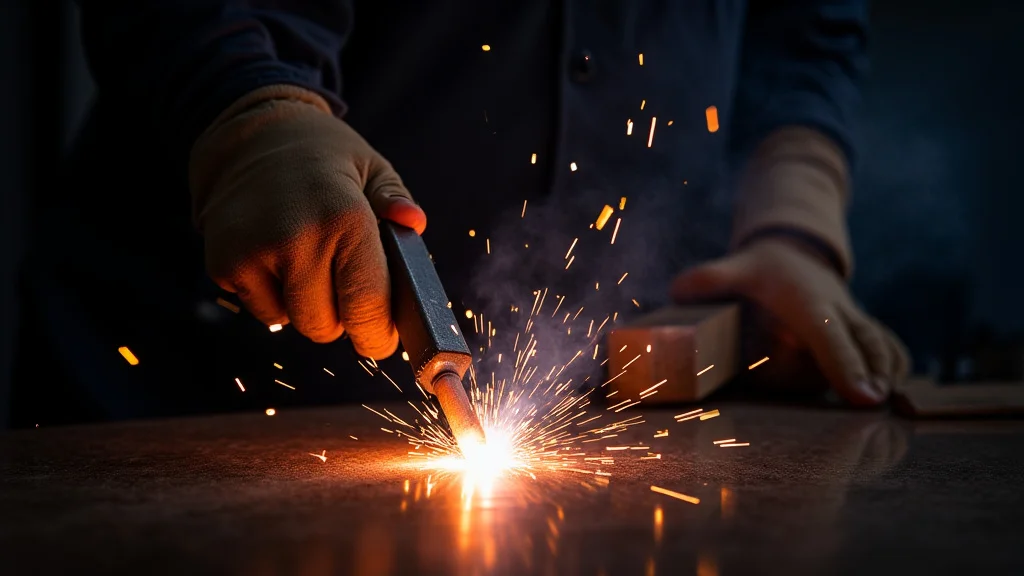
Welding can be a bit tricky when you’re starting out, especially when it comes to keeping your metal from getting too hot. Too much heat can mess things up, making your welds weak or even damaging the metal itself. It’s a common worry for new welders, but don’t fret!
We’ll walk through simple ways to manage heat so you can get strong, clean welds every time. Keep reading to learn the easy steps.
Key Takeaways
- You will learn why metal overheats during welding.
- We will cover different cooling methods for hot metal.
- You will discover how to choose the right welding settings to control heat.
- We will explain how to prepare your metal before welding to help manage heat.
- You will get tips on how to check the metal’s temperature as you work.
- We will show you how to use welding techniques that reduce heat buildup.
Understanding Metal Overheating in Welding
When you weld, you’re essentially melting metal together. This process creates a lot of heat. Sometimes, this heat is more than the metal can handle.
That’s when it starts to overheat.
Why Metal Overheats
Several things can cause metal to get too hot. The welding machine’s settings are a big one. If the power is too high, it sends too much heat into the metal.
The type of metal also matters. Some metals, like thin aluminum, heat up much faster than thicker steel.
How long you weld in one spot plays a role. Welding continuously in the same area builds up heat quickly. The thickness of the metal is also important.
Thin pieces can’t spread heat away as well as thick ones. This makes them more likely to overheat.
Consequences of Overheating
When metal gets too hot, it can lead to problems. You might see what’s called “burn-through.” This is when the metal gets so thin it actually melts away, creating a hole. Your welds might also become weak.
The metal can change its structure, making it brittle or less strong.
You might also notice warping or bending in the metal. This is especially common with thinner materials. The appearance of your weld can suffer too, looking rough or discolored.
These issues can ruin a project and make it unsafe.
How to Protect Metal from Overheating While Welding
Keeping metal cool while welding is key to good results. It’s not as hard as it sounds. There are several simple things you can do.
Controlling Welding Settings
Your welding machine has settings that control how much heat you use. These are usually called amperage or voltage. For most metals, starting with lower settings is a good idea.
If you’re welding thin metal, you’ll want lower settings. Thicker metal can handle more heat, so you can use higher settings. Always check your machine’s manual or look up recommended settings for the type and thickness of metal you’re using.
Adjusting Amperage
Amperage controls the heat output of your welder. Higher amperage means more heat. Lower amperage means less heat.
For How to Protect Metal from Overheating While Welding, reducing amperage is a common first step.
If you’re burning through the metal, lower the amperage. If your weld isn’t penetrating enough, you might need to increase it slightly, but be careful not to go too high.
Wire Speed (for MIG welding)
In MIG welding, wire speed is directly related to amperage. Faster wire speed generally means higher amperage. If your metal is overheating, try slowing down the wire speed.
Cooling Methods
Sometimes, you need to actively cool the metal down. This helps stop heat from building up too much.
Using a Wet Rag or Water
A simple and effective way to cool metal is by using a wet rag. After welding a small section, quickly apply a damp cloth to the area. Be cautious, as steam can be created.
For larger pieces or when you need faster cooling, you can use a spray bottle of water or even gently splash water on the metal.
Be careful not to shock the hot metal with cold water too quickly, especially cast iron, as it can crack. For most steel, it’s generally safe.
Cooling Between Welds
Don’t weld continuously. Take breaks to let the metal cool. Weld a short bead, then stop.
Let it cool for a bit before welding the next section. This is called intermittent welding.
Using Heat Sinks
Heat sinks are materials that absorb heat from the metal you’re welding. Copper or aluminum blocks work well. Place these against the metal near your weld.
They will draw heat away, helping to prevent overheating.
Preparation and Technique
How you prepare your metal and the way you weld also make a big difference.
Proper Joint Preparation
For thicker metals, beveling the edges (creating a V-shape) helps you get good penetration with less heat. This means you don’t need to blast the metal with as much heat to fuse it.
Welding in Sections
Instead of welding one long, continuous bead, weld in short sections. This is often called stitch welding. Weld a few inches, then move to another spot and weld there.
Then, go back to the first spot and continue. This spreads the heat out.
Backstep Welding
This technique involves welding in the opposite direction of your overall progress. For example, if you are welding from left to right, you would start a bead on the right and weld towards the left. Then, you would start a new bead to the left of the first one and weld rightward, overlapping the first bead.
This helps reduce distortion and heat buildup.
Peening
Peening is a technique where you gently hammer the hot weld bead after welding. This can help relieve stress and prevent warping. Use a ball-peen hammer and strike the weld while it’s still hot, but not glowing red.
Choosing the Right Welding Process
Some welding processes are better for managing heat than others.
TIG Welding
TIG welding (Gas Tungsten Arc Welding) offers excellent control over heat. The welder can use a foot pedal to precisely control the amount of heat being applied, making it great for thin metals.
MIG Welding
MIG welding (Gas Metal Arc Welding) can produce heat quickly. However, with the right settings and techniques, it’s still very manageable. Using pulsed MIG settings can significantly reduce heat input.
Stick Welding
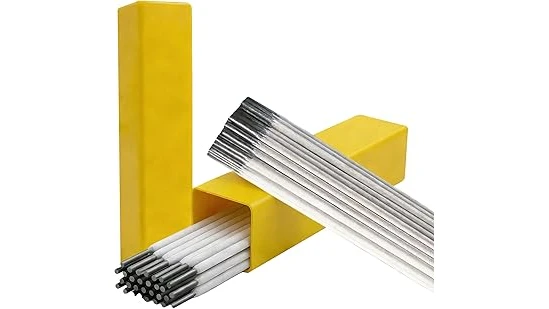
Stick welding (Shielded Metal Arc Welding) can be hotter. However, using the correct electrode and amperage for the metal thickness is important for controlling heat.
Knowing When to Stop
Pay attention to how the metal looks and feels. If it starts to glow red or smoke excessively, it’s too hot. Stop welding and let it cool down.
Visual Cues
Watch for discoloration. Blues and purples mean the metal is getting hot. Bright reds and oranges mean it’s very hot.
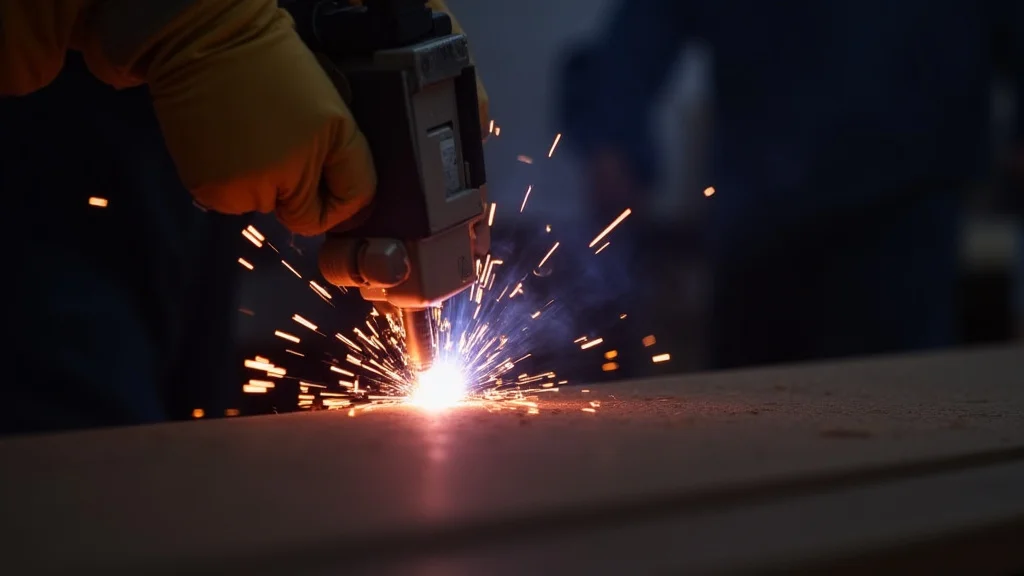
If you see sparks flying out in unusual amounts, that can also be a sign of too much heat.
Tactile Feedback
If you can safely touch the metal (with a glove, not directly!), you can feel the heat. If it’s too hot to handle comfortably, it’s definitely too hot to continue welding on.
Frequently Asked Questions
Question: What is the main reason metal overheats during welding?
Answer: The main reason metal overheats is too much heat being applied for too long in one spot without a way for the heat to escape.
Question: Can I use water to cool metal while welding?
Answer: Yes, you can use water to cool metal, but be careful of steam. For very specific materials like cast iron, rapid cooling with water can cause cracks.
Question: How does metal thickness affect overheating?
Answer: Thinner metals overheat much more easily because they have less mass to absorb and dissipate the heat.
Question: What happens if I overheat the metal too much?
Answer: Overheating can lead to burn-through (holes), weak welds, and distortion or warping of the metal.
Question: Is it okay to weld on hot metal?
Answer: It’s best to let the metal cool down significantly before continuing to weld. Welding on very hot metal can lead to poor weld quality and safety hazards.
Final Thoughts
You’ve learned that How to Protect Metal from Overheating While Welding involves controlling your welder’s heat, using cooling methods, and smart welding techniques. By adjusting settings, taking breaks, and understanding your metal, you can avoid problems like burn-through and weak welds. Focus on using lower heat, cooling the metal when needed, and welding in smaller sections.
These simple steps will help you achieve strong, clean welds and get great results on your projects. Keep practicing these tips.
Leave a Reply