Getting your welding machine set up right is super important. For new welders, How to Properly Ground Your Welding Machine can seem a bit tricky, but it’s actually quite simple when you know how. We’ll break it down step-by-step so you can get to welding safely and effectively.
Ready to learn what you need to know to get welding?
Key Takeaways
- You will learn why grounding is essential for safe and good welding.
- We will show you the different parts of your welding machine related to grounding.
- You will discover how to find a good grounding spot.
- We will explain the steps to connect the ground clamp securely.
- You’ll understand common mistakes and how to avoid them.
- We will cover different types of welding and their grounding needs.
Why Proper Grounding Matters
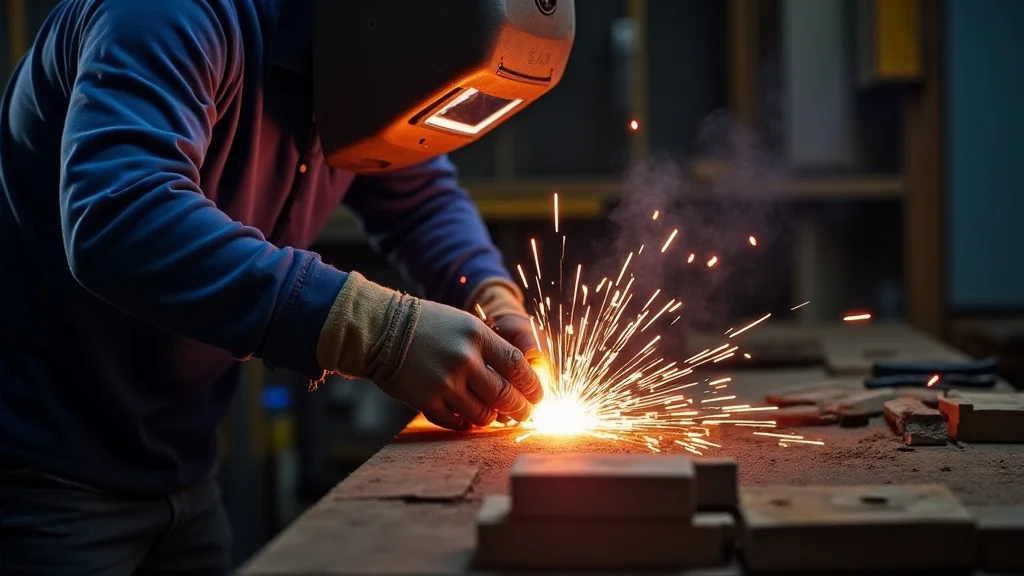
Welding creates an electric arc to melt metal. For this arc to form and stay steady, electricity needs a complete path. This path starts at your welding machine, goes through the electrode, jumps to your metal, and then needs to return to the machine.
This return trip is where grounding comes in. A good ground connection ensures the electricity flows smoothly and safely. Without it, you can have a weak weld, a dangerous shock, or even damage your equipment.
Understanding Your Welding Machine’s Ground Connection
Most welding machines have a dedicated terminal or lug for the ground cable. This is usually a metal post or a sturdy connector where the ground clamp will attach. You’ll also have a power cord that plugs into an outlet, bringing electricity to the machine.
The machine itself then directs this power to your welding gun or stick holder.
The ground cable is typically a thick, sturdy cable with a clamp at one end. This clamp, often called a ground clamp or ground jaw, is what you’ll attach to your work. The other end of the cable connects directly to your welding machine’s ground terminal.
The Role of the Ground Clamp
The ground clamp is the bridge between your welding machine and the metal you are working on. Its job is to make a strong, reliable electrical connection. A loose or dirty clamp means a bad connection, which leads to poor welding performance.
Some common types of ground clamps include C-clamps, magnetic clamps, and spring-loaded clamps.
Where to Connect Your Ground Clamp
Finding the right spot to attach your ground clamp is critical. You want to connect it to the piece of metal you are welding, or to the workbench or jig that the metal is resting on. The key is that the clamp must be in direct contact with a conductive material that is electrically connected to your workpiece.
This might sound complicated, but it’s usually straightforward.
Connecting to the Workpiece
The best place to connect your ground clamp is directly to the metal you intend to weld. If you are welding a large piece, attach it close to where you will be working. This keeps the electrical path short and efficient.
If you are welding multiple small pieces together, you might clamp onto a larger metal surface they are all resting on. Make sure this surface is clean and provides a good connection to all the small parts. For projects where you can’t easily clamp directly to the workpiece, like welding pipes, you might need to clamp to a nearby metal structure that is grounded.
What to Avoid for Grounding Locations
Never clamp your ground to painted surfaces, rust, dirt, or anything that isn’t bare metal. These materials act as insulators, blocking the electrical current. Also, avoid clamping to anything that might move or isn’t securely attached, as this can interrupt the connection.
Don’t clamp to electrical conduits or plumbing pipes that are part of your home’s electrical system, as this is a safety hazard.
How to Connect Your Ground Cable
Once you’ve found a good spot, the connection process is simple. First, make sure your welding machine is turned off. This is a crucial safety step.
Preparing the Grounding Surface
Before attaching the clamp, clean the area where you will make the connection. Use a wire brush or sandpaper to remove any paint, rust, oil, or dirt. You want to see shiny, bare metal.
This ensures the best possible electrical contact.
Attaching the Ground Clamp
Open the jaws of your ground clamp and firmly press them onto the cleaned metal surface. Make sure the clamp has a good grip. For C-clamps, tighten them down securely.
For magnetic clamps, ensure they are strongly attached. If you’re using a clamp with a bolt, make sure the bolt is tightened down, making good contact.
Connecting to the Welding Machine
The other end of your ground cable connects to the ground terminal on your welding machine. This might be a threaded stud where you place a lug and secure it with a wingnut or a simple clip that snaps into place. Ensure this connection is tight and secure.
A loose connection here will also cause problems with your arc.
Different Types of Welding and Grounding
While the principle of grounding remains the same, there can be slight variations depending on the welding process.
Stick Welding (SMAW)
Stick welding typically requires a very solid ground. The current used is higher, and a good connection is vital for a stable arc and good penetration. Connecting directly to the workpiece or the welding table is standard practice.
MIG Welding (GMAW)
MIG welding also needs a good ground. The wire feeder system is sensitive to voltage drops, which can happen with a poor ground. A clean connection to the workpiece or welding table is essential for consistent wire feeding and arc stability.
TIG Welding (GTAW)
TIG welding often operates at lower amperages, but a clean, solid ground is still important for a stable arc. Sometimes, TIG welding involves more delicate work where the workpiece might be on a non-conductive surface. In such cases, you might need to run a separate ground cable to a larger metal object nearby that is properly grounded.
Common Mistakes and How to Avoid Them
Even with simple steps, some common errors can lead to welding problems. Being aware of these can save you a lot of frustration.
- Not cleaning the metal: This is probably the most common mistake. Paint, rust, and dirt are electrical insulators. Always brush or sand the connection spot until it’s bright and clean.
- Loose clamp connection: The clamp needs to be tight. A loose clamp means high resistance, which leads to heat buildup and a weak electrical path.
- Clamping to the wrong thing: Never clamp to anything that isn’t directly part of the metal you’re working on or securely connected to it.
- Grounding too far away: While a good connection is key, a very long ground cable can sometimes reduce the effectiveness of the current. Try to keep the ground connection as close to your weld as possible.
- Forgetting to turn off the machine: Always disconnect the power before attaching or removing the ground clamp. This is a vital safety rule.
Troubleshooting Grounding Issues
If you’re experiencing arc instability, weak welds, or your machine seems to be struggling, the ground connection is often the first place to check. Look for any signs of the clamp slipping, the cable being loose, or the connection point being dirty. Sometimes, the ground cable itself can be damaged internally, which is harder to spot but can also cause issues.
If you’ve cleaned the area, ensured the clamp is tight, and the connection to the machine is secure, but you’re still having problems, consider testing your ground. You can use a multimeter to check for continuity and resistance. A good ground connection should have very low resistance.
Safety First!
Welding involves high electrical currents and intense heat. Always prioritize safety. Ensure your welding area is clear of flammable materials.
Wear appropriate personal protective equipment (PPE), including a welding helmet, gloves, and protective clothing. Double-check all your connections before you strike an arc.
Frequently Asked Questions
Question: What happens if I don’t ground my welding machine at all?
Answer: If you don’t ground your welding machine, an electric arc cannot form correctly. You won’t be able to weld. In some cases, the electricity might try to find another path, which can be dangerous and damage your equipment.
Question: Can I use a C-clamp for my welding ground?
Answer: Yes, a C-clamp can work well as a ground clamp, provided it’s made of metal and can create a strong, direct connection to the workpiece or a grounded surface. Make sure to clean the metal first.
Question: Does the thickness of the ground cable matter?
Answer: Yes, the thickness, or gauge, of the ground cable is important. Thicker cables can handle more current without overheating. Using a cable that’s too thin for your welder can lead to poor performance and safety risks.
Question: Can I clamp my ground to my welding table?
Answer: If your welding table is made of metal and is properly grounded, then yes, you can clamp your ground to it. This is a common practice, especially for smaller projects.
Question: How do I know if my ground connection is good enough?
Answer: A good ground connection will allow for a stable, consistent welding arc. If your arc is spready, cuts out frequently, or you have trouble melting the metal, your ground connection might be weak or dirty.
Final Thoughts
Properly grounding your welding machine is a simple but vital step for safe and effective welding. By understanding where to connect your ground clamp, ensuring a clean metal surface, and making a secure connection, you create the necessary electrical path for a strong weld. Always remember to check your connections and prioritize safety.
With a good ground, your welding experience will be much more reliable and productive.