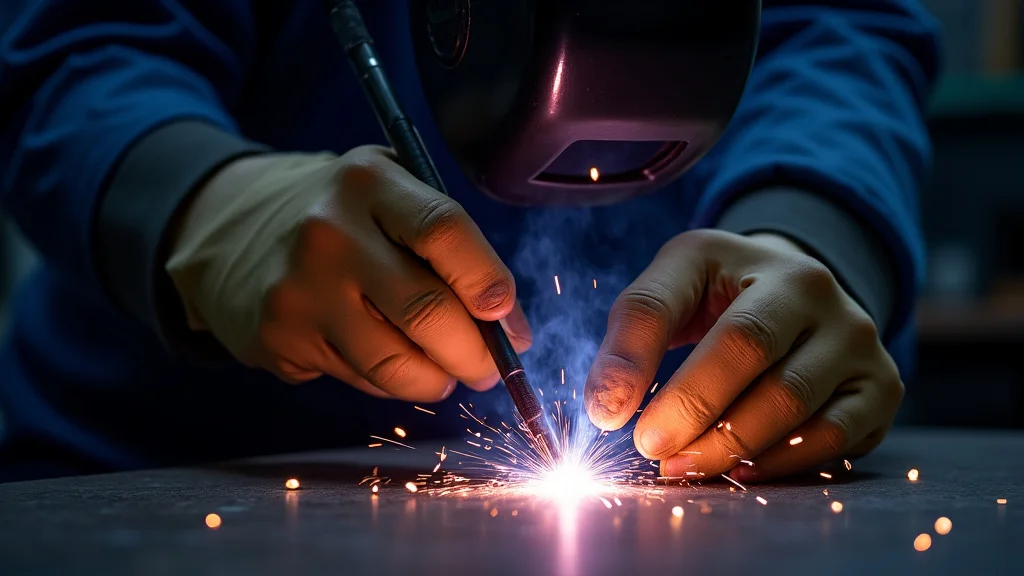
Welding can be a great skill, but sometimes little problems pop up. Burnback is one of those tricky things that can happen, especially when you’re just starting out. It’s like when the welding wire melts too fast and sticks to the inside of your welding gun.
Don’t worry, though! We’re going to show you How to Prevent Welding Burnback Issues Easily. We’ll break it down into simple steps so you can weld with more confidence.
Keep reading to learn the secrets!
Key Takeaways
- Burnback happens when welding wire melts too fast and sticks in the torch.
- Using the wrong wire speed or voltage is a main cause of burnback.
- Proper stick-out is key to avoiding burnback.
- Keeping your welding gun clean makes a big difference.
- Adjusting your welding settings based on metal thickness is important.
- Practice makes perfect when it comes to preventing welding issues.
What is Welding Burnback?
Understanding the Problem
Welding burnback is a common headache for welders, especially those new to the craft. It’s when the welding wire, as it’s being fed through your welding gun, melts too close to the tip. This can cause the wire to stick inside the gun’s contact tip.
Sometimes it even melts all the way back to the wire spool! It’s frustrating because it stops your welding mid-job and can damage your equipment. Fixing it can be a pain, and it interrupts your workflow.
Why It Happens to Beginners
New welders often struggle with burnback because they’re still learning how to fine-tune their welding machines. They might not yet have a feel for the right settings. The feed rate of the wire, the voltage, and how far the wire sticks out of the torch all play a big role.
It takes practice to get these just right for different types of metal and welding jobs. So, if you’re finding burnback annoying, you’re not alone!
Common Causes of Burnback
Wire Speed Settings
The speed at which your welding wire feeds through the gun is super important. If the wire feeds too slowly for the amount of heat you’re putting into the metal, it won’t melt fast enough. This can cause it to melt further back than it should.
On the flip side, if it feeds too fast, it can push through the molten puddle too quickly, and the tip can get too hot, leading to burnback. Finding that sweet spot is key.
Voltage Settings
Voltage controls the arc length and heat of your weld. If the voltage is too high, it creates a very hot arc. This extra heat can easily melt the wire too soon, right at the contact tip.
It’s like holding a lighter too close to a candle – it melts too fast. Lowering the voltage can help create a cooler, more controlled arc that’s less likely to cause burnback.
Improper Stick-Out
Stick-out refers to how much of the welding wire is exposed beyond the tip of your welding gun. If you have too little stick-out, the wire is too close to the metal you’re welding. This means it absorbs a lot of heat, and the tip gets very hot.
This can easily lead to burnback. Generally, you want a consistent stick-out. For most common MIG welding, this is around 1/4 to 3/8 of an inch, but it can change based on the wire and gas you’re using.
Dirty Contact Tips
The contact tip is the small metal piece at the end of your welding gun that the wire passes through. It also carries the electrical current to melt the wire. If this tip gets dirty or clogged with spatter (little bits of molten metal that fly off during welding), it can restrict wire feeding and cause heat buildup.
A dirty tip can make the wire melt unevenly, increasing the chance of burnback.
Incorrect Wire Type for the Job
There are many different types of welding wire, made for different metals and welding conditions. Using a wire that’s too thin for the metal thickness you’re welding can mean it heats up too fast and melts back. Also, some wires are more prone to burnback than others if not set up correctly.
Always check what wire is recommended for your specific project.
How to Prevent Welding Burnback Issues Easily
1. Get Your Settings Right
This is the most important step. For MIG welding (GMAW), the wire speed and voltage work together. Many welding machines have charts or recommendations for different wire sizes and metal thicknesses.
Start with these suggestions. If you notice burnback, it usually means your voltage is a bit too high for the wire speed you’re using, or vice-versa.
Adjusting Wire Speed and Voltage
Think of it like this: wire speed pushes the metal into the heat, and voltage controls the heat itself. If burnback happens, try slightly lowering the voltage first. If that doesn’t help, or if your weld becomes too flat, try increasing the wire speed a little.
You’re looking for a smooth, consistent arc where the wire melts cleanly as it hits the weld puddle. You want the wire to melt off at the tip, not burn back into the gun.
2. Master Your Stick-Out
Keep your stick-out consistent. Aim for that 1/4 to 3/8 inch range for most common steel welding with MIG. When you’re welding, try to keep the tip of your welding gun at a steady distance from the workpiece.
If you get too close, the wire will get hotter and melt back. If you pull the gun too far away, your weld might not penetrate well, and the arc can become unstable.
Practicing Consistent Stick-Out
Practice holding the gun at the same angle and distance. It takes a bit of getting used to, but soon it will feel natural. Imagine you’re always trying to maintain that same small gap between the tip and the metal.
This consistency helps regulate the heat that reaches the wire.
3. Keep Your Equipment Clean
Regularly clean your contact tip. After you’re done welding for the day, or even during long welding sessions, take a moment to clean the tip. You can use a wire brush or a special tip cleaner tool.
Remove any spatter or dirt that has built up. This ensures a clean electrical path and smooth wire feeding.
Cleaning the Nozzle
Don’t forget the nozzle, the outer part of the gun tip. Spatter can stick here too, obstructing gas flow. A quick spray of anti-spatter can help prevent spatter from sticking in the first place.
A clean gun means a better weld and fewer headaches.
4. Use the Right Consumables
Make sure you’re using the correct welding wire for the type of metal you’re welding. If you’re welding mild steel, use mild steel wire. If you’re welding stainless steel, use stainless steel wire.
Also, ensure your shielding gas is correct for the wire and metal. Using the wrong gas can lead to poor weld quality and can contribute to problems like burnback.
Choosing the Correct Wire
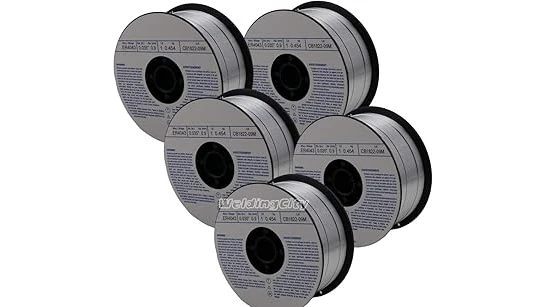
Check the recommendations for your welding machine and the materials you are working with. For example, .030 inch wire is good for thinner metals, while .035 inch or larger might be better for thicker materials. The wire type itself also matters; some wires handle heat better than others.
5. Understand Metal Thickness
Thicker metals need more heat to melt properly. Thinner metals need less heat. If you’re welding thick metal with settings meant for thin metal, the wire might not melt enough, and you’ll have poor penetration.
Conversely, if you’re welding thin metal with settings for thick metal, you’ll likely get burnback. Always adjust your wire speed and voltage based on the thickness of the metal you’re joining.
Setting Up for Different Thicknesses
A good rule of thumb is to start with the manufacturer’s recommended settings for the material thickness. Then, make small adjustments based on how the weld looks and feels. If you get burnback on thin metal, turn down the voltage or speed.
If you’re not getting enough penetration on thick metal, you might need to increase both.
6. Practice, Practice, Practice
Like any skill, welding gets easier with practice. The more you weld, the better you’ll become at recognizing the sounds and sights of a good weld. You’ll develop an instinct for how the machine should sound and how much heat is needed.
Spend time just welding on scrap pieces of metal to get a feel for your machine and how different settings affect the weld. This hands-on experience is invaluable for preventing problems like burnback.
Frequently Asked Questions
Question: What is the most common reason for burnback?
Answer: The most common reason for burnback is having the voltage set too high for the wire feed speed, or not enough wire speed for the voltage. This causes the wire to melt too close to the contact tip.
Question: How does stick-out affect burnback?
Answer: If the stick-out is too short, the wire gets too much heat from the metal and the arc, causing it to melt back. Maintaining a consistent, proper stick-out helps prevent this.
Question: Should I clean my contact tip after every weld?
Answer: It’s not always necessary after every single short weld, but it’s a good habit to clean it regularly, especially after longer welding sessions or if you notice spatter building up. Cleaning prevents issues with wire feeding and heat.
Question: Can I fix burnback while welding?
Answer: If you get a mild burnback, sometimes lifting the torch away from the metal momentarily can help the wire retract slightly. However, it’s often better to stop, cut off the burnt wire tip, and restart with proper settings to avoid damaging your equipment.
Question: What if my welding machine has preset settings?
Answer: Most welding machines have charts or recommended settings for different wire sizes and metal thicknesses. Use these as a starting point. Then, make small adjustments based on the actual welding results to fine-tune for your specific situation.
Final Thoughts
Preventing burnback when welding is all about getting your settings right and being consistent. When the wire feeds too fast or the heat is too high, that’s when burnback happens. Always check your wire speed and voltage, and keep that stick-out steady.
Clean equipment, like your contact tip, makes a big difference too. Using the right wire for the metal and adjusting for thickness helps a lot. Practice is your best friend here.
You’ll get the hang of it quickly!