Struggling with a weak arc on your stick welder? It’s a common hurdle for many new welders, and it can make getting a good weld feel impossible. This often happens because the machine isn’t sending out enough power, or something is blocking it.
But don’t worry! We’ll walk through exactly How to Fix Weak Arc in Stick Welding Machines with simple steps. Get ready to make your welds strong and clean.
Key Takeaways
- You will learn the main reasons why a stick welding machine might produce a weak arc.
- You will discover how to check and adjust amperage settings for a stronger arc.
- You will understand the importance of electrode type and condition for arc stability.
- You will find out how to troubleshoot issues with your welding leads and connections.
- You will learn about potential problems with the welding machine itself that cause a weak arc.
Understanding the Weak Arc
What is a Weak Arc?
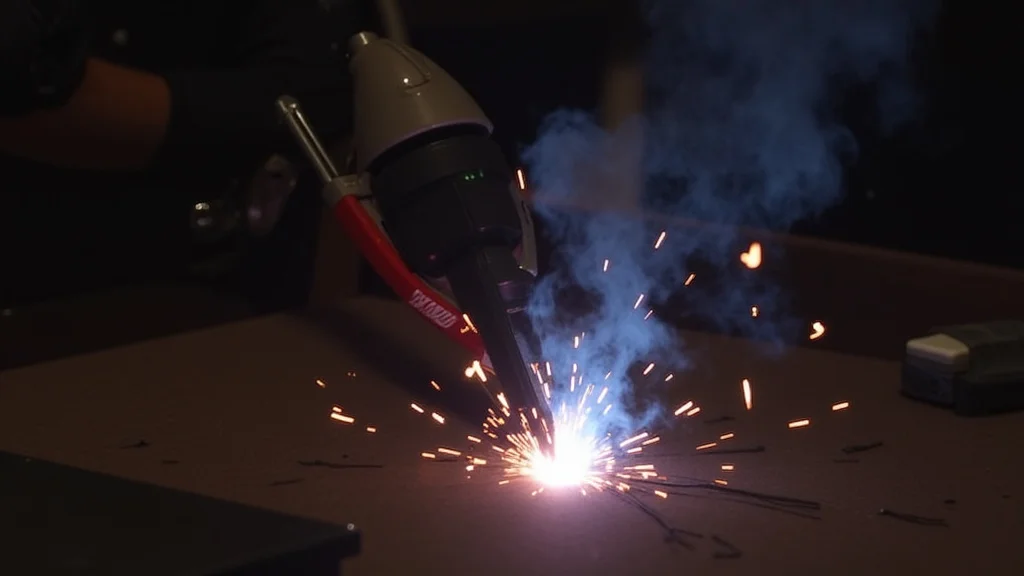
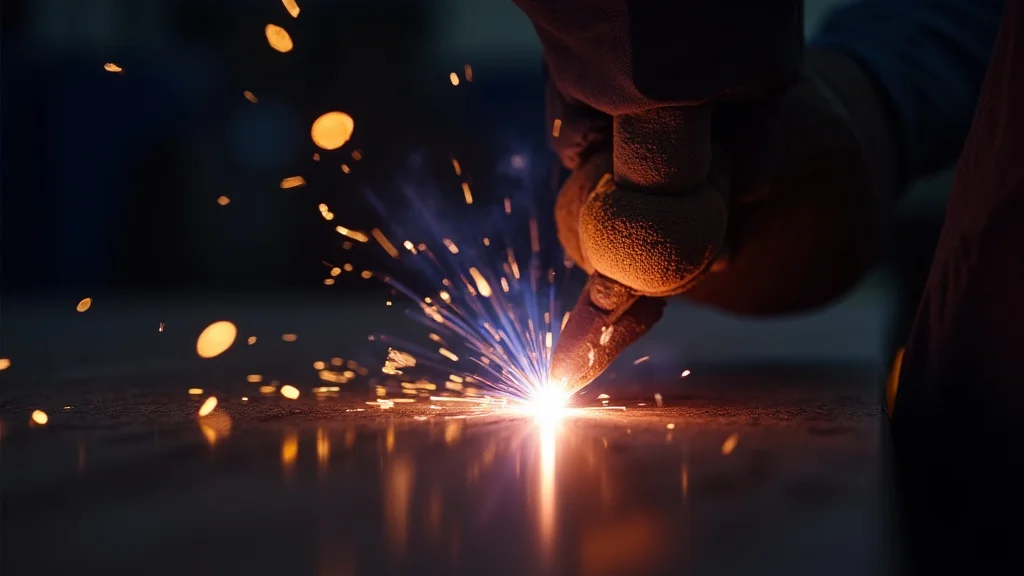
A weak arc in stick welding, also known as TIG welding, happens when the electricity flowing between your electrode and the metal you’re welding is not strong enough. This causes the arc to sputter, wander, and not produce a smooth, consistent melt pool. It’s like trying to start a campfire with wet wood; it just won’t catch fire properly.
This makes it very hard to create strong, clean welds. The weld might look messy, have poor penetration, and be weak. For beginners, it’s frustrating because it makes the whole welding process feel much harder than it needs to be.
Why Does a Weak Arc Happen?
Several things can cause a weak arc. The most common culprits are settings that are too low, problems with your equipment, or using the wrong type of welding rod. Sometimes, even simple things like dirty connections can make a big difference.
It’s rarely one single issue; often, it’s a combination of factors. Identifying the exact cause is the first step to fixing it.
Common Causes and Solutions
Incorrect Amperage Settings
The amperage, or current, setting on your welding machine controls how much power the arc receives. If this is set too low for the type of electrode and metal you are using, the arc will be weak. Think of it like trying to run a powerful appliance on a weak extension cord; it won’t get enough power to work correctly.
Adjusting Amperage
First, check your welding machine’s recommended amperage range for the specific electrode you are using. This information is usually printed on the electrode packaging. Start with a setting within that range.
If the arc is still weak, try increasing the amperage slightly, perhaps by 5-10 amps. Listen to the sound of the arc. A strong arc has a steady, crackling sound, like bacon frying.
A weak arc often sputters and hisses more erratically.
For example, a 6013 electrode might need 75-125 amps on a 1/8 inch diameter rod. If you’re welding thin sheet metal, you’ll need less amperage than for thick steel plate.
Electrode Issues
The type and condition of your welding electrode play a huge role in arc stability. Different electrodes are designed for different jobs and produce different arc characteristics.
Electrode Type and Size
Some electrodes, like E6013, are known for having a very stable and easy-to-start arc, making them good for beginners. Others, like E6010 or E6011, require a hotter, more forceful arc and can be more challenging. If you’re using an electrode that’s too large for your machine’s output or for the job, it might not be able to generate a strong enough arc.
Always match your electrode size to your machine’s capabilities and the thickness of the material. A smaller diameter electrode generally requires less amperage.
Electrode Condition
Electrodes can go bad. Moisture is the enemy of welding rods. If they have been stored in a damp place, they can absorb moisture.
This moisture causes the arc to be unstable, sputtery, and weak, and it can also lead to porosity in your weld. Old or damaged electrodes can also cause problems. Check if the coating is chipped or cracked.
If you suspect your electrodes are old or have been exposed to moisture, try using a fresh pack. Some electrodes can be reconditioned by baking them in a special welding rod oven, but for most hobbyists, simply replacing them is the easiest solution.
Poor Connections and Grounding
A weak arc can also be caused by bad electrical connections. Electricity needs a clear path to flow. Any resistance along the way can weaken the arc.
This includes the connection between the electrode holder and the electrode, the connection between your ground clamp and the workpiece, and the connection where the power cable plugs into the machine.
Checking the Ground Clamp
The ground clamp is essential for completing the electrical circuit. Make sure the clamp is making solid contact with the metal you are welding. Scrape away any rust, paint, or dirt from the metal surface where the clamp attaches.
A loose or dirty ground connection is a very common cause of a weak arc.
Electrode Holder and Cable
Inspect the electrode holder for any signs of damage or corrosion. Ensure the electrode is firmly gripped in the holder. Check the welding cable and electrode holder lead for any cuts, frays, or damaged insulation.
If the cables are old or damaged, they can increase resistance.
Similarly, check the connection of the power cord to the welding machine. Ensure it’s secure and free from damage.
Machine Issues
While less common for beginners, sometimes the welding machine itself can be the source of a weak arc. This could be due to internal issues or a machine that’s not powerful enough for the job.
Overheating
Many stick welders have a duty cycle, which is the percentage of time they can operate at a given amperage within a 10-minute period. If you’re welding for too long without letting the machine cool down, it can overheat. Most machines have a thermal overload protector that will shut them off or reduce output to prevent damage.
When the machine cools down, the arc might return to normal, but if you push it too hard, the arc will remain weak.
Always be mindful of your machine’s duty cycle. If you’re doing a lot of continuous welding, take breaks to let your welder cool. You’ll often see a light indicator on the machine when it’s overheating.
Internal Problems
Older machines or machines that have been mistreated might develop internal electrical problems. This could involve worn-out components, loose internal wiring, or issues with the rectifier or transformer. If you’ve tried all other solutions and still have a weak arc, it might be time to have your machine checked by a professional or consider replacing it.
Welding Technique
Sometimes, the problem isn’t the machine at all, but how you’re holding the electrode. Your welding technique can affect the arc.
Arc Length
The distance between the tip of the electrode and the workpiece is called the arc length. If the arc is too long, it becomes unstable and weak. The voltage required to maintain the arc increases, and the molten metal can be blown away by the arc’s force, leading to spatter and poor fusion.
Conversely, if the arc is too short, it can lead to the electrode sticking to the workpiece or causing a short circuit.
Aim for an arc length roughly equal to the diameter of the electrode you are using. Practice maintaining a consistent arc length. This takes practice, so don’t get discouraged.
Checking Your Power Source
The power coming into your welding machine also matters. If the voltage from your wall outlet or generator is too low, your welder won’t receive enough power to create a strong arc. This is especially important if you’re using long extension cords, as they can reduce the voltage.
Ensure your extension cord is heavy-duty and rated for the amperage your welder draws. For larger welders, a dedicated 240V circuit is often necessary.
Troubleshooting Checklist
When you encounter a weak arc, use this checklist to systematically find the problem:
- Amperage Setting: Is it appropriate for the electrode and material? Try increasing it by 5-10 amps.
- Electrode Type: Is it suitable for the job? Try a different, known-good electrode.
- Electrode Condition: Is it old, damp, or damaged? Use fresh, dry electrodes.
- Ground Clamp: Is it clean and making solid contact with the metal? Scrape the surface if needed.
- Connections: Are the electrode holder and cables clean and secure?
- Duty Cycle: Has the machine overheated? Let it cool down.
- Arc Length: Are you holding the electrode too far away? Try shortening the arc.
- Power Source: Is the incoming voltage stable and sufficient? Check extension cords.
Frequently Asked Questions
Question: How do I know if my welding machine is powerful enough?
Answer: Check the welding machine’s amperage output rating. For most general-purpose stick welding on materials up to 1/4 inch thick, a machine that can produce at least 100-150 amps is usually sufficient. Thicker materials or continuous welding will require a higher amperage output.
Question: Can using the wrong polarity cause a weak arc?
Answer: Yes, using the incorrect polarity for your electrode can lead to arc instability and a weak arc. Always check the electrode manufacturer’s recommendations for the correct polarity (DCEN, DCEP, or AC).
Question: My arc is weak but only sometimes. What could be wrong?
Answer: Intermittent issues often point to loose connections that make contact at certain times or vibrations. Thoroughly check all cable connections, the ground clamp contact, and the electrode holder. Overheating could also cause the arc to weaken after a period of welding.
Question: What’s the difference between a weak arc and an arc that keeps going out?
Answer: A weak arc consistently struggles to maintain a strong, stable flame. An arc that keeps going out might be due to starting issues, a broken electrode, or a very unstable arc that extinguishes itself easily. If the arc is sputtering and weak, it’s less likely to stay lit.
Question: How does humidity affect welding electrodes?
Answer: Humidity can cause welding electrodes, especially cellulosic and low-hydrogen types, to absorb moisture. This moisture vaporizes in the arc, creating hydrogen gas which can lead to porosity and an unstable, weak arc. Storing electrodes in a dry place or a sealed container is important.
Final Thoughts
Fixing a weak arc in stick welding is often about checking the basics. You’ve learned that settings, electrodes, connections, and even your machine’s condition matter. By systematically checking your amperage, ensuring your electrodes are good, and verifying all your connections are clean and tight, you can solve most weak arc problems.
Keep your machine cool and your arc length consistent. These steps will help you achieve stronger, cleaner welds.