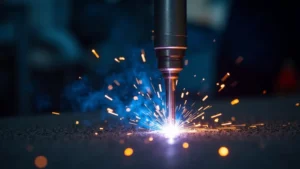
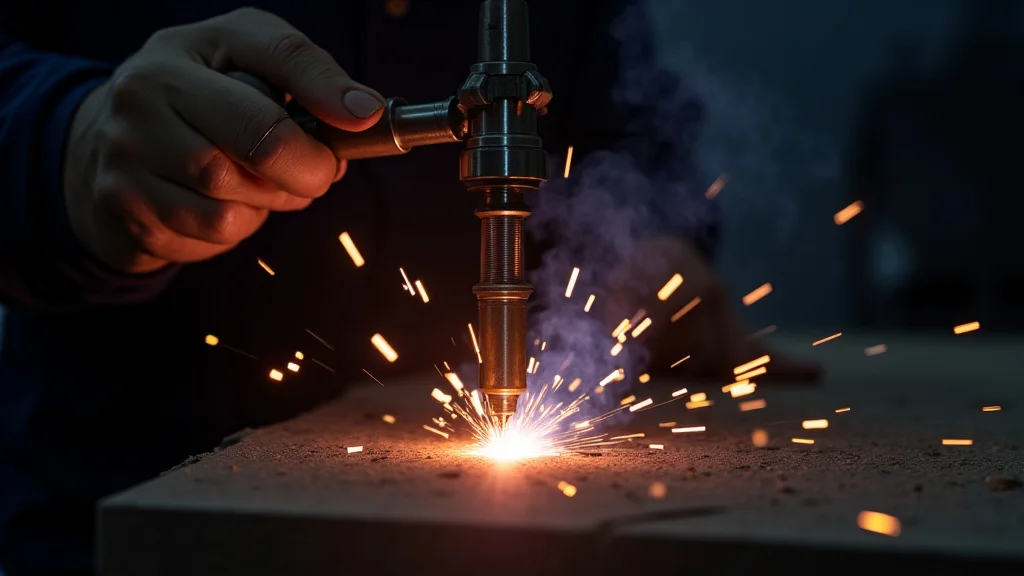
Burnback happens when the wire melts too soon and sticks to the tip inside your MIG welder. It’s a common thing beginners run into and can be frustrating. Don’t worry, though!
Fixing it is usually quite simple. We’ll show you exactly how to stop it from happening and get back to welding smoothly. What you need to know is coming right up.
Key Takeaways
- Burnback is when the wire sticks to the welding tip due to the wire feeding too fast or voltage being too high.
- You can fix burnback by adjusting your machine’s wire speed and voltage settings.
- Checking your welding consumables like the contact tip and nozzle is important.
- Proper wire feeding setup prevents the wire from sticking and causing burnback.
- Consistent practice with correct settings will help you avoid burnback issues.
What is Burnback in MIG Welding?
Burnback is a term used in MIG welding. It’s when the welding wire melts and sticks to the metal piece you’re welding, or even to the contact tip inside the gun. This usually happens right at the end of a weld.
When you stop welding, the wire keeps melting too far up. It can look like a little ball of metal fused to the tip or the weld. This is a problem because it stops your wire from feeding correctly the next time you try to weld.
You’ll often hear a sputtering sound instead of a smooth arc.
For new welders, burnback can be quite confusing. You’re trying to make a good weld, and suddenly, your machine stops working right. It feels like something is broken.
The main reason beginners face this issue is that they haven’t yet found the right settings for their welder and the materials they are using. MIG welding relies on a balance between several factors, and when that balance is off, problems like burnback can occur. The good news is that it’s usually a quick fix once you know what to look for.
Why Does Burnback Happen?
Several things can cause burnback. The most common culprit is that your wire is feeding too fast for the voltage setting. Think of it like trying to push too much water through a small pipe; it gets messy.
In MIG welding, if the wire speed is too high, it pushes into the weld puddle too quickly. This extra heat and speed cause the wire to melt too far up.
Another major cause is having the voltage set too high. Voltage controls the arc length and heat. If the voltage is too high, the arc is longer and hotter.
This extra heat melts the wire prematurely. You want just enough heat to melt the wire and the base metal to create a strong bond, but not so much that the wire melts before it gets to the weld pool.
Sometimes, the problem isn’t with the settings but with the welding consumables. The contact tip is a small copper piece that the welding wire passes through. It also transfers electrical current to the wire.
If the contact tip is worn out, dirty, or the wrong size for your wire, it can cause feeding issues. A damaged tip can restrict wire flow or not transfer electricity evenly, leading to burnback.
The nozzle, which surrounds the contact tip, can also play a role. If it’s clogged with spatter (melted metal droplets that spray from the arc), it can interfere with the gas flow. Proper gas flow is essential for shielding the weld from the air.
If the gas flow is interrupted, you can get poor welds and, yes, burnback.
The wire itself can be a factor. If the wire is not the correct type or diameter for your welder’s settings, it might not feed smoothly. For example, using a flux-cored wire with settings meant for solid wire will cause problems.
Also, if the wire is kinked or not properly spooled, it can snag and cause inconsistent feeding, which can lead to burnback.
Common Causes of Burnback:
- Wire speed is too high.
- Voltage is set too high.
- Worn or dirty contact tip.
- Clogged welding nozzle.
- Incorrect wire type or diameter for settings.
- Kinked or improperly spooled wire.
How to Fix Burnback in MIG Welding Machines
Fixing burnback is all about making the right adjustments to your welding machine and checking your equipment. Let’s break down the steps to get you welding smoothly again.
1. Adjust Wire Speed
This is usually the first thing to check. If you’re experiencing burnback, try reducing your wire speed. You want the wire to feed at a rate that matches the voltage.
For many common setups, there are recommended wire speed and voltage settings based on the material thickness. Start with those and make small adjustments. If burnback is happening, turn the wire speed down a little at a time.
Listen to the arc. You want a smooth, consistent sound. If it sounds like sputtering or popping, the wire speed might still be too high, or the voltage is too low relative to the wire speed.
2. Adjust Voltage
If reducing wire speed doesn’t fully solve the problem, or if you have a good wire speed but still get burnback, try lowering the voltage. A lower voltage will reduce the overall heat in the arc. This makes it less likely for the wire to melt too soon.
Again, make small adjustments. You’re looking for that sweet spot where the arc is stable and controllable, and the wire doesn’t stick. Remember, wire speed and voltage work together.
Often, you’ll need to adjust both to find the perfect balance for your specific weld.
3. Check and Clean Your Contact Tip
The contact tip is critical. Over time, spatter can build up inside the tip, making the hole smaller or uneven. This can cause the wire to snag or not feed straight, leading to poor electrical contact and burnback.
After every few welds, or if you notice issues, take out the contact tip and clean it. You can use a small wire brush or a tip reamer tool. If the tip is heavily damaged, pitted, or the hole is significantly enlarged, it’s time to replace it.
Contact tips are inexpensive and a worn tip is a common cause of welding problems.
4. Clean or Replace the Nozzle
The nozzle directs the shielding gas and protects the contact tip. Spatter can stick to the inside of the nozzle. If it gets bad enough, it can disrupt the gas flow.
This poor gas coverage can lead to weld defects and burnback. You can clean the nozzle with a hammer or a chipping tool to knock off the spatter. Some welders use anti-spatter spray on the nozzle and tip before welding, which helps make spatter easier to remove.
If the nozzle is warped or severely damaged, replace it.
5. Ensure Proper Wire Feeding
A smooth wire feed is essential. Make sure your spool of wire is mounted correctly and unwinds freely. Check the drive rollers in your wire feeder.
They should be clean and the correct size for your welding wire. The tension on the drive rollers should be tight enough to grip the wire but not so tight that it crushes or deforms it. A kink in the wire anywhere between the spool and the gun can cause feeding problems.
Unwind a little wire and make sure it’s straight.
6. Verify Wire Type and Size
Always use the correct type and diameter of welding wire for your machine and the material you’re welding. MIG welders are set up to feed specific sizes of wire (e.g., 0.023″, 0.030″, 0.035″). Using a wire that’s too large or too small for the drive rollers or contact tip can cause feeding problems and burnback.
Likewise, using flux-cored wire with settings for solid wire, or vice-versa, will lead to issues.
7. Check Shielding Gas Flow
While not a direct cause of burnback itself, issues with shielding gas can contribute to poor weld quality that might make burnback seem like the main problem. Make sure your gas cylinder has enough gas and that the regulator is set to the correct flow rate (usually around 15-25 cubic feet per hour, depending on your setup). If the gas flow is too low, the weld can be porous and weak, and spatter can become a bigger issue.
Quick Troubleshooting Table
| Problem | Likely Cause | Solution |
|---|---|---|
| Wire sticks to tip/workpiece after welding | Wire speed too high, Voltage too high | Decrease wire speed, Decrease voltage |
| Sputtering arc, inconsistent feed | Worn contact tip, Incorrect roller tension, Dirty drive rollers | Clean/replace tip, Adjust roller tension, Clean rollers |
| Wire not feeding smoothly | Kinked wire, Damaged liner, Incorrect wire size | Straighten wire, Check/replace liner, Use correct wire size |
| Excessive spatter | Voltage too high, Incorrect gas flow, Dirty consumables | Decrease voltage, Check gas settings, Clean tip/nozzle |
How to Prevent Burnback
Prevention is always better than fixing. By setting up your MIG welder correctly from the start, you can avoid burnback altogether. This comes down to understanding the relationship between wire speed and voltage for different materials and thicknesses.
Always start with the manufacturer’s recommended settings for your welder. These are usually found in the manual or on a chart inside the machine’s cover. These settings are a great starting point.
Then, practice on scrap material. Make a small weld, check for burnback, and make tiny adjustments to your settings. You’re looking for a consistent arc and good weld bead appearance.
Regular maintenance of your equipment is also key. Cleaning your contact tip and nozzle after each welding session, or at least regularly, will prevent spatter buildup. Inspect your welding gun liner for damage.
Ensure your drive rollers are clean and the tension is correct. A well-maintained machine will perform much better and prevent common issues like burnback.
As you gain experience, you’ll develop a feel for the “sound” of a good MIG arc. A smooth, consistent hum or buzz means everything is working right. Sputtering or popping noises are usually a sign that something needs adjustment.
Pay attention to how your welds look, too. A good weld should have a consistent bead width and height, with minimal spatter. If your welds look rough or have a lot of buildup, it’s time to check your settings and equipment.
Frequently Asked Questions
Question: What is the most common reason for burnback?
Answer: The most common reason for burnback is that the wire speed is set too high for the voltage, causing the wire to melt too soon.
Question: Should I adjust wire speed or voltage first to fix burnback?
Answer: Usually, it’s best to try decreasing the wire speed first. If that doesn’t fully resolve it, then adjust the voltage.
Question: How often should I clean my MIG welding consumables?
Answer: It’s a good practice to clean your contact tip and nozzle regularly, ideally after each welding session or at least every few hours of use, especially if you notice spatter buildup.
Question: Can using the wrong size wire cause burnback?
Answer: Yes, using a wire size that doesn’t match your contact tip or drive rollers can lead to feeding problems and contribute to burnback.
Question: Is burnback harmful to my MIG welder?
Answer: While burnback itself isn’t usually permanently damaging, it can cause a buildup of material in the contact tip and gun, which can lead to more serious feeding issues or even damage to components if left unaddressed.
Final Thoughts
Fixing burnback in your MIG welding machine is straightforward. It boils down to getting your wire speed and voltage settings just right. A little adjustment here, a bit there, and you’ll find that sweet spot.
Always keep your contact tip and nozzle clean. Make sure your wire feeds smoothly. With a few simple checks and tweaks, you can say goodbye to frustrating burnback.
Keep practicing, pay attention to your arc, and soon you’ll be making great welds with ease. You’ve got this!