
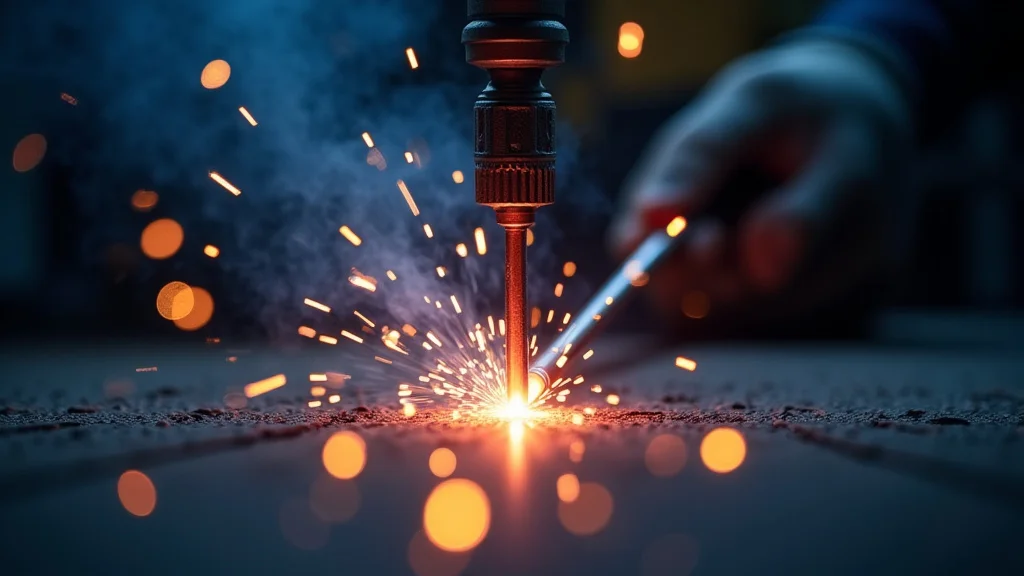
Many new welders wonder about How to Extend the Life of Welding Electrodes. It might seem tricky at first. You want your welding supplies to last as long as possible.
This guide will make it easy. We’ll walk you through simple steps that help your electrodes work better and longer. Get ready to learn how to get more from your welding gear.
We’ll cover storage, cleaning, and how to use them right.
Key Takeaways
- Proper storage prevents electrodes from getting damaged or wet.
- Cleaning electrodes regularly removes slag and debris for better welding.
- Using the correct welding settings prevents premature electrode wear.
- Choosing the right electrode for the job helps it last longer.
- Handling electrodes with care avoids breaking or bending them.
- Understanding electrode types helps you use them effectively.
Why Electrodes Wear Out
Electrodes are like the pencils of welding. They get used up as you weld. But sometimes, they wear out faster than they should.
This can happen for a few reasons. Moisture is a big one. If electrodes get wet, they can cause problems.
They might not work as well, and they can wear down quicker. Dirt and grime can also cause issues. Any dirt on the electrode can interfere with the arc.
This leads to a bad weld and can damage the electrode tip. Also, using the wrong heat or current settings can burn up an electrode too fast. It’s like trying to use a pencil for heavy-duty drawing; it just doesn’t work as well and wears out quickly.
Moisture Damage
Moisture is the enemy of many welding electrodes. When electrodes absorb water from the air, it changes how they behave. This is especially true for certain types of electrodes, like those used for mild steel or stainless steel.
Water can cause porosity in your welds. Porosity means tiny holes in your metal. It also makes the arc unstable.
Instead of a smooth, steady arc, you get a sputtering, erratic one. This makes welding harder and can lead to a weaker joint. Plus, a wet electrode can overheat and break down faster.
It’s like trying to light a wet match; it’s difficult and doesn’t burn well.
Contamination
Dirt, oil, grease, and rust are all contaminants. They can get on your electrodes easily. Think about where you store your welding gear or the environment where you weld.
Dust in the air, oil from your hands, or rust on metal you’re welding can all transfer to the electrode. When these contaminants hit the hot arc, they can cause problems. They can create a dirty arc and lead to inclusions in your weld.
Inclusions are bits of foreign material stuck in the weld. This makes the weld weak and looks bad. Cleaning the electrode before each use, or at least regularly, can help prevent this.
Imagine trying to draw with a dirty crayon; the lines won’t be clean.
Incorrect Welding Settings
Using the right settings on your welding machine is very important. If you use too much amperage (heat), you’ll burn the electrode up too quickly. It’s like holding a piece of paper too close to a flame; it burns up fast.
Too little amperage can also be a problem. It might not create a good weld, and you might have to go over an area more, using up the electrode. Different electrodes need different settings.
The manufacturer usually provides a recommended range. It’s good to check this. Always start within the recommended range and adjust as needed.
Getting this right means a cleaner weld and a longer-lasting electrode.
Proper Storage of Welding Electrodes
How you store your welding electrodes makes a big difference in how long they last. Keeping them dry is the most important thing. Many electrodes come in sealed containers or plastic bags.
It’s best to keep them in these until you need them. Once opened, they can start to absorb moisture from the air. If you live in a humid area, this is even more critical.
A good way to store opened electrodes is in a heated electrode oven. These ovens keep the electrodes at a steady, warm temperature. This drives out any moisture they might have absorbed.
If you don’t have an oven, a dry, sealed container in a climate-controlled area is the next best thing. Avoid storing them in damp garages or sheds.
Using Electrode Ovens
Electrode ovens are designed specifically for storing welding consumables. They maintain a constant temperature, typically between 200-300 degrees Fahrenheit (93-150 degrees Celsius). This heat prevents moisture absorption.
It also helps to dry out electrodes that may have already picked up some humidity. For electrodes that need to be re-baked (meaning they got wet and need to be dried out), follow the manufacturer’s instructions. Some electrodes can be damaged by excessive heat or improper re-baking.
For everyday storage of opened containers, a holding oven is excellent. It keeps them ready to use without worrying about moisture.
Dry Storage Alternatives
If an electrode oven is too much for your needs, there are simpler ways. Always keep electrodes in their original packaging or a sealed, airtight container. Silica gel packets can also be added to these containers.
Silica gel absorbs moisture.
Cleaning Welding Electrodes
Electrodes can get dirty over time. Cleaning them can help improve their performance. The most common type of dirt is slag.
Slag is the leftover coating on the electrode that melts and forms a protective layer. After welding, some slag can stick to the electrode tip. This can interfere with the arc on your next weld.
You can usually brush or chip this slag off with a wire brush or chipping hammer. Be gentle. You don’t want to damage the electrode itself.
For more stubborn dirt or rust, a light sanding with fine-grit sandpaper might be needed. The goal is to have a clean, smooth surface for the arc to form.
Post-Weld Cleaning
After you finish a welding session, take a moment to clean your electrodes. Use a wire brush to remove any loose slag or spatter that might be stuck to the tip. If you have a lot of slag, a chipping hammer can help break it off.
Make sure you are only removing the slag and not the protective coating of the electrode. For electrodes that will be stored for a while, this cleaning step is very important. It prevents hardened slag from making them difficult to use later.
It also helps to prevent corrosion.
Preparing for Next Use
Before starting a new welding job, it’s a good idea to inspect your electrodes. If they have been stored for a while, they might have picked up some dust. A quick wipe with a clean, dry cloth can remove this.
If you notice any slight damage or rough spots on the tip, a very light sanding with fine-grit sandpaper can smooth them out. This helps ensure a clean start to your arc and a better weld. Remember to handle them carefully during this process to avoid further damage.
Choosing the Right Electrode
Using the correct type of electrode for your welding job is key. Different metals require different electrodes. For example, welding steel requires a different electrode than welding aluminum.
Using the wrong type can lead to poor weld quality and faster electrode wear. Also, some electrodes are designed for specific positions (flat, vertical, overhead). Using an electrode designed for flat welding in an overhead position can be difficult and lead to waste.
Always check the specifications for the metal you are welding and the welding process you are using. The electrode packaging will usually have this information, or you can consult a welding guide.
Understanding Electrode Types
There are many types of welding electrodes, each with its own purpose. For basic steel welding, you might use Stick electrodes (SMAW). These have a flux coating that creates shielding gas and slag.
Common types include E6010, E6013, and E7018. E6010 is good for dirty or rusty metal and all positions. E6013 is easy to use and good for general purposes.
E7018 is a low-hydrogen electrode, often used for critical applications requiring strong welds. For other metals like stainless steel or cast iron, specialized electrodes are needed. Always match the electrode to the base metal.
Matching Electrode to Material
This is a fundamental step that impacts both weld quality and electrode longevity. If you’re welding mild steel, an E70xx series electrode is usually appropriate. For stainless steel, you’ll need a specific stainless steel electrode, like an E308 for 304 stainless.
For aluminum, TIG welding with a specific filler wire or MIG welding with aluminum wire is more common, but some specialized aluminum stick electrodes exist. Using a steel electrode on stainless steel, for example, will result in a poor, brittle weld and is a waste of both time and materials. Always confirm the base metal and select an electrode designed for it.
Welding Technique and Electrode Life
Your welding technique plays a significant role in how long your electrodes last. How you hold the electrode, your travel speed, and how you control the arc all matter. If you hold the electrode too close to the workpiece, it can melt too quickly.
If you hold it too far away, the arc can become unstable and spatter. A consistent arc length is important. Your travel speed should be steady, allowing the electrode to melt at a controlled rate.
This creates a smooth bead and uses the electrode efficiently. Practicing good technique helps you get better welds and conserves your supplies.
Arc Length Control
The distance between the tip of the electrode and the workpiece is your arc length. A short arc (electrode very close) can cause the electrode to stick or melt too fast. It can also lead to more spatter.
A long arc (electrode too far away) makes the arc unstable, produces a lot of spatter, and can lead to a wide, flat bead. The ideal arc length is usually about the diameter of the electrode’s core wire. Maintaining a consistent arc length is crucial for a stable arc, good penetration, and efficient electrode use.
This controlled melting rate directly extends how much welding you can do with one electrode.
Travel Speed and Angle
Your travel speed is how fast you move the electrode along the joint. If you move too fast, you won’t get enough melting and penetration, leading to a weak weld. If you move too slowly, you can overheat the area, create excessive weld reinforcement, and burn through the metal.
Find a speed that creates a consistent bead with good wetting (where the weld metal flows smoothly into the base metal). The angle at which you hold the electrode also matters. Generally, you want to hold the electrode at a slight drag angle (leaning it in the direction of travel).
This helps to control the arc and slag. Experimenting to find the right speed and angle for different situations will help you use your electrodes more effectively.
Amperage and Voltage Settings
As mentioned before, the amperage (current) is critical. Too high, and you burn electrodes too fast. Too low, and you struggle to get a good weld.
Each electrode type and diameter has an optimal amperage range. Always refer to the manufacturer’s recommendations. Voltage also plays a role in arc stability and bead width.
While amperage is usually the primary control for electrode melting rate, voltage affects the arc’s shape. For many common Stick electrodes, the voltage is less directly adjustable or is set by the machine’s power source. However, understanding how amperage affects electrode consumption is key to extending their life.
Common Mistakes to Avoid
Beginners often make a few common mistakes that shorten electrode life. One is not storing electrodes properly. Leaving them out in damp air is a fast way to ruin them.
Another mistake is using incorrect welding settings. This can happen because they don’t know the recommended settings or haven’t learned to adjust them. Forcing the electrode into the weld pool instead of letting the arc do the work is another problem.
This can damage the electrode tip and create poor welds. Also, dropping or misholding electrodes can break them, wasting good material.
Forcing the Electrode
When you push the electrode too hard into the molten weld pool, you can cause several problems. It can make the arc sputter and become unstable. It might force slag into the weld, creating defects.
Most importantly, it can rapidly wear down the electrode tip prematurely. The goal is to maintain a consistent arc length and let the heat from the arc melt the electrode and base metal at a balanced rate. Instead of pushing, focus on a smooth, consistent motion that guides the molten metal into the joint.
Think of it as guiding, not forcing.
Using Worn-Out Electrodes
Sometimes, an electrode might seem usable even when it’s quite short. However, very short electrodes can be hard to handle and control. The heat from your hand can also transfer to the electrode, making it harder to maintain a consistent arc.
It’s often more efficient and safer to use a fresh electrode when the current one gets down to about 2-3 inches (5-7 cm). While technically usable, the effort to maintain control often outweighs the benefit of using that last little bit. This prevents welding defects and ensures better control.
Maintaining Your Welder and Accessories
The life of your welding electrodes is also tied to the condition of your welding machine and accessories. A clean, well-maintained welder will produce a more stable arc. This, in turn, helps electrodes perform better and last longer.
Make sure your welding cables are in good condition, with no nicks or exposed wires. A good ground clamp that makes solid contact is also essential. A poor ground connection can cause arc instability and affect weld quality, indirectly impacting electrode performance.
Cable and Ground Clamp Care
Your welding cables are the connection between your machine and your electrode holder or MIG gun. If they are damaged, you can lose power or have an inconsistent arc. Inspect them regularly for cuts, abrasions, or melted spots.
A damaged cable is a safety hazard. Similarly, your ground clamp needs to make a clean, solid connection to the workpiece. Clean any rust, paint, or dirt off the workpiece where the ground clamp will attach.
A dirty or loose ground clamp can lead to a weak arc, excessive spatter, and poor weld penetration. This makes welding more difficult and can cause electrodes to wear unevenly.
FAQ
Question: How can I tell if my welding electrodes have gone bad?
Answer: Bad electrodes often show signs like unstable arcs, excessive spatter, difficulty igniting the arc, or producing brittle welds. Moisture is a common cause, leading to porosity and a rough arc. Physical damage like bending or cracking also makes them unusable.
Question: Is it okay to use a welding electrode that has been in my garage for a year?
Answer: It depends on how it was stored. If it was in a sealed, dry container, it might be fine. If it was exposed to humidity, it’s best to test it first or consider re-baking it if it’s a type that can be reconditioned.
Question: How often should I clean my welding electrodes?
Answer: It’s a good practice to clean them after each welding session to remove slag. Before starting a new job, a quick inspection and wipe-down can also be helpful.
Question: Can I use any welding rod for any type of metal?
Answer: No, you should always use a welding electrode that is specifically designed for the type of metal you are welding. Using the wrong electrode will result in a weak, improper weld.
Question: What happens if I use too much amperage?
Answer: Using too much amperage causes the electrode to burn away much faster than intended. It can also lead to excessive spatter, burn-through on thin materials, and a wider, flatter weld bead.
Final Thoughts
Taking care of your welding electrodes helps them perform better and last longer. Proper storage is key to keeping them dry and free from moisture. Cleaning them regularly removes debris that can affect your welds.
Always use the right electrode for the job and set your welder correctly. Good welding technique, like maintaining a steady arc length and travel speed, also makes a big difference. By following these simple tips, you’ll get more welds from your electrodes, save money, and enjoy a better welding experience.
Leave a Reply