Keeping your MIG welding torch clean after you’re done welding is super important. For folks just starting out, knowing How to Clean MIG Welding Torch After Use Properly can seem a little confusing or like a lot of work. You might worry about missing a step or doing something wrong.
But don’t fret! It’s actually pretty simple once you know the right way. We’ll walk you through it step-by-step, making it easy to keep your equipment in great shape for your next project.
Let’s get your torch ready for action!
Key Takeaways
- Regular cleaning prevents spatter buildup, which can block gas flow.
- Proper cleaning extends the lifespan of your MIG welding torch consumables.
- A clean torch leads to more consistent weld quality and fewer defects.
- You can easily clean your MIG torch with common workshop items.
- Cleaning involves disassembling a few parts and wiping them down.
- Protecting the nozzle and diffuser is key to good welding performance.
Why Cleaning Your MIG Torch Matters
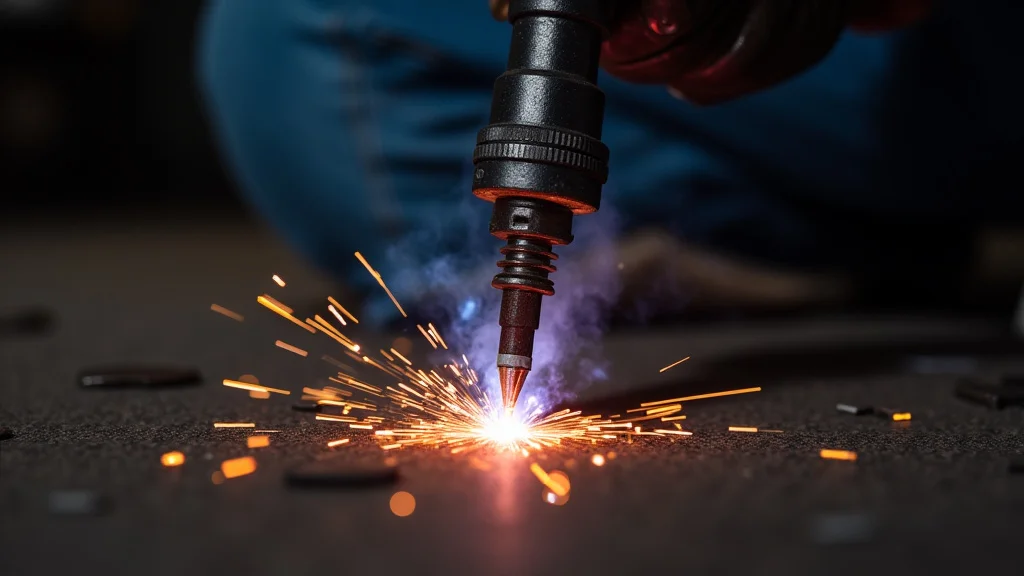
When you’re welding with a MIG setup, little bits of molten metal, called spatter, fly everywhere. Some of this spatter sticks to your welding torch. Over time, this buildup can cause big problems.
It can block the gas that’s supposed to protect your weld. Without enough gas, your welds might not be strong or look good. Spatter can also damage the parts inside your torch that get hot, like the contact tip and the gas nozzle.
If these parts get damaged, you’ll need to replace them more often, which costs money and time.
Think of your welding torch like a tool you want to last a long time. Just like you’d clean a hammer or a screwdriver after using it, cleaning your torch keeps it working well. A clean torch means you get steady shielding gas flow.
This helps you make smooth, strong welds every time. It also makes your welding job much easier because you’re not fighting with a faulty torch.
What Parts Need Cleaning?
Your MIG welding torch has a few main parts that need attention after you weld. The most important ones to clean are the contact tip, the gas nozzle, and the diffuser. Sometimes the neck or swan neck also needs a quick wipe-down.
The Contact Tip
The contact tip is a small brass or copper part inside the nozzle. It’s where the welding wire comes out. When you weld, spatter loves to stick here.
If spatter builds up on the tip, it can make the wire stick or not feed smoothly. It can also change the shape of the opening, affecting how the electricity flows to the wire.
The Gas Nozzle
The gas nozzle is like a shield around the contact tip. Its job is to direct the shielding gas to the weld puddle. Spatter can stick to the inside and outside of the nozzle.
If the inside gets clogged, the gas won’t flow properly. If the outside is covered, it can interfere with the gas stream. It also looks messy!
The Diffuser
The diffuser sits behind the contact tip. It helps distribute the shielding gas evenly. Spatter can get inside the diffuser and block the small holes.
This also stops the gas from flowing correctly, which can lead to bad welds. It’s a key part that is often overlooked but important to keep clear.
The Torch Neck
The torch neck is the curved part that leads to the nozzle. While it doesn’t get as much spatter as the tip or nozzle, it can still get dirty. A quick wipe here keeps the whole torch looking good and can prevent dirt from getting into other parts.
Simple Steps for Cleaning Your MIG Torch
Cleaning your MIG welding torch is a straightforward process. You don’t need fancy tools. Most of what you need is probably already in your workshop.
Here’s how to do it:
Step 1: Ensure the Welder is Off and Cool
First things first, make sure your welding machine is turned off. It’s also a good idea to let the torch cool down. Welding torches get very hot, and you don’t want to burn yourself.
Safety first, always!
Step 2: Remove the Gas Nozzle
The gas nozzle usually screws onto the torch body. Gently twist it counter-clockwise to unscrew it. If it’s a bit sticky from spatter, a gentle wiggle should help.
Sometimes, you might need pliers to grip it, but be careful not to crush it.
Step 3: Remove the Contact Tip
Once the nozzle is off, you’ll see the contact tip. This also usually screws in. Turn it counter-clockwise to remove it.
Keep track of which size tip you have, as they come in different sizes for different wire diameters.
Step 4: Clean the Contact Tip
You can clean the contact tip in a few ways. The best method is to use a wire brush to remove any spatter from the outside. For the inside, you can use a wire tip cleaner, which is a small tool with a hole for the tip to fit over and a wire brush inside.
You can also use a small drill bit that matches the inside diameter of the tip, but be very gentle not to enlarge the hole. The goal is to remove all the hardened spatter, leaving a clean, smooth opening. If the tip is badly damaged or worn, it’s better to replace it.
Step 5: Clean the Gas Nozzle
Take your wire brush and scrub the inside and outside of the gas nozzle. Get rid of all the spatter and dirt. You want the inside of the nozzle to be clear so the gas can flow out evenly.
Some people use a wire wheel on a bench grinder for a quick clean, but again, be gentle.
Step 6: Clean the Diffuser
The diffuser is usually held in place by the contact tip. Once the tip is out, the diffuser might slide out or stay in. If it slides out, clean any spatter from its surface.
Check the small holes to make sure they aren’t blocked. If it stays in, you can try to clean around it as best as you can. A small brush or a blast of compressed air can help here.
Step 7: Clean the Torch Neck (Optional but Recommended)
Give the outside of the torch neck and any other accessible parts a good wipe with a clean cloth. This removes any stray spatter or grime.
Step 8: Reassemble the Torch
Put the diffuser back in if you removed it. Screw the contact tip back in firmly, but don’t overtighten it. Then, screw the gas nozzle back on.
Make sure everything is snug.
Tools You’ll Need
You don’t need much to keep your torch clean. Here are the basic tools that will make the job easy:
- Wire brush: For scrubbing the outside of the nozzle and tip.
- Contact tip cleaner tool: A special tool for cleaning the inside of the tip.
- Pliers: For gently gripping the nozzle or tip if they are stuck.
- Clean rags: For wiping down parts.
- Compressed air (optional): To blow away loose debris.
- Anti-spatter spray (optional): To help prevent spatter sticking in the future.
Dealing with Stubborn Spatter
Sometimes spatter can be really hard to remove. If it’s baked on, you might need to be a little more persistent. A wire brush is your best friend here.
You can also soak the nozzle and tip in a little bit of water for a short time to loosen the spatter. Some welders use a specialized spatter cleaner solution, but water often works well enough.
When cleaning the inside of the contact tip, be very careful. You want to remove the spatter without making the hole larger or misshapen. If the tip is badly pitted or worn, it’s more cost-effective to replace it.
A new tip is relatively inexpensive and will greatly improve your weld quality.
When to Replace Consumables
Even with regular cleaning, MIG welding torch parts wear out. You’ll know it’s time to replace a part when:
- Contact Tip: The hole is noticeably enlarged or misshapen. The wire doesn’t feed smoothly. You’re getting a lot of spatter that’s hard to clean off. The tip looks heavily pitted or burned.
- Gas Nozzle: The inside is badly deformed or has large holes caused by spatter. The gas flow seems restricted even after cleaning.
- Diffuser: The holes are damaged or blocked permanently. The gas flow is uneven.
Replacing worn-out tips, nozzles, and diffusers is just as important as cleaning them. These are called “consumables” because they are used up over time. Keeping a few spare parts on hand is a smart move for any welder.
Benefits of a Clean Torch
Keeping your MIG torch clean after every use offers several benefits:
- Better Weld Quality: A clean torch ensures proper shielding gas flow, leading to stronger, cleaner welds with fewer defects.
- Extended Part Life: Regular cleaning prevents spatter damage, making your consumables last longer.
- Smoother Wire Feed: A clean contact tip allows the welding wire to feed through without sticking or jamming.
- Easier Welding: You’ll spend less time troubleshooting and more time welding when your equipment works correctly.
- Cost Savings: By extending the life of your consumables, you save money on replacements.
Frequently Asked Questions
Question: How often should I clean my MIG welding torch?
Answer: It’s best to give your MIG welding torch a quick clean after each welding session. A more thorough cleaning can be done periodically, depending on how much you weld and how much spatter you get.
Question: Can I use a drill to clean the contact tip?
Answer: You can use a drill bit that matches the tip’s inside diameter, but you must be extremely careful. Use a very low speed and gentle pressure. The goal is to remove spatter, not to enlarge the hole.
Using a specialized tip cleaner tool is generally safer.
Question: What happens if I don’t clean my MIG torch?
Answer: If you don’t clean your MIG torch, spatter buildup can cause poor shielding gas coverage, leading to weak or dirty welds. It can also damage the consumables, causing them to wear out faster and requiring more frequent replacement.
Question: Is anti-spatter spray necessary?
Answer: Anti-spatter spray is not strictly necessary, but it can be very helpful. It creates a barrier that makes it harder for spatter to stick to the nozzle and tip, making cleaning much easier and faster.
Question: Can I leave the nozzle and tip on the torch when cleaning?
Answer: It’s best to remove the nozzle and contact tip for a thorough cleaning. This allows you to clean each part properly and get rid of all the spatter, especially inside the tip and nozzle.
Final Thoughts
Knowing How to Clean MIG Welding Torch After Use Properly is a simple skill that makes a big difference. Taking a few minutes to clean your contact tip, nozzle, and diffuser after each job keeps your MIG welder running smoothly. You’ll get better welds and save money on parts.
It just takes a wire brush and a few minutes. Keep your torch clean, and it will take care of you with great welds.