Keeping your welding torch in good shape is super important, especially after you finish a job. For folks just starting out, figuring out How to Clean a Welding Torch After Use can seem a bit tricky. But don’t worry!
It’s actually pretty straightforward once you know the right steps. We’ll show you exactly what to do, making it simple and quick. Ready to make your torch work like new for your next project?
Key Takeaways
- Regular cleaning prevents weld spatter buildup.
- Proper cleaning extends the life of your welding torch.
- Specific tools are needed for effective torch cleaning.
- Safety is paramount when cleaning welding equipment.
- A clean torch ensures better weld quality.
Why Cleaning Your Welding Torch Matters
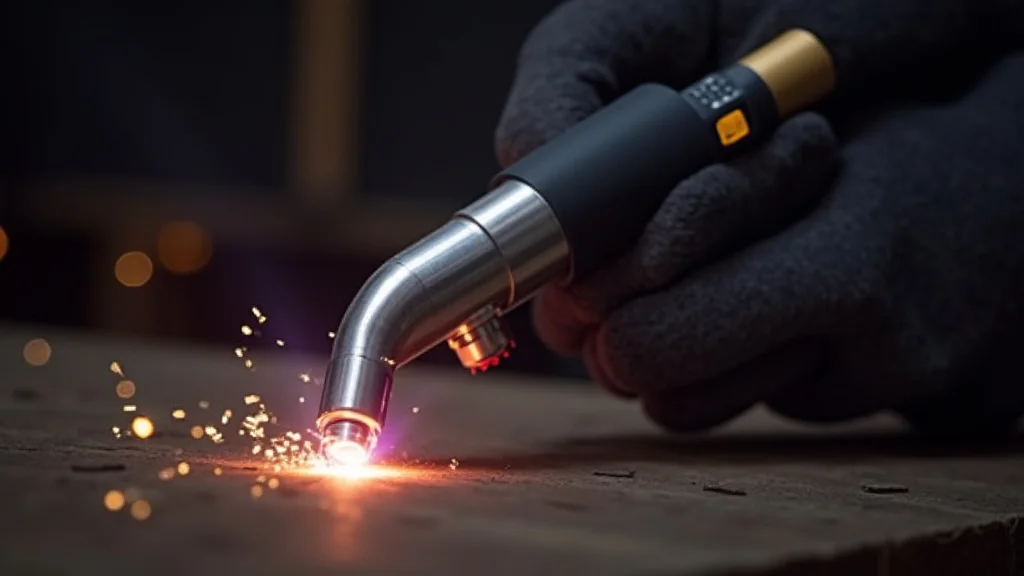
Welding creates a lot of heat and sparks. This often causes tiny bits of molten metal, called spatter, to fly around. Some of this spatter lands on your welding torch, especially on the tip and nozzle.
If you don’t clean this off, it can start to build up. This buildup can get in the way of the gas flow. It can also block the path for the welding wire, if you’re using a wire-feed welder.
This makes it hard to get a good, steady weld. Think of it like trying to drink through a straw that’s half-blocked – it’s just not going to work well.
Not cleaning your torch regularly also means parts can wear out faster. When spatter hardens on the tip, it can damage the metal. The nozzle can get clogged and deformed.
This means you might have to replace parts more often. Replacing torch parts costs money and can stop your work. Keeping your torch clean is a simple way to save both time and cash.
Essential Tools for Torch Cleaning
You don’t need a whole workshop full of special gear to clean your torch. A few basic items will do the job well. Having the right tools makes the cleaning process much easier and more effective.
It also helps protect the torch parts from damage.
What You’ll Need:
- Wire Brush: A small, stiff wire brush is great for knocking off loose spatter. Brass brushes are gentler on the metal than steel ones.
- Nozzle Gel or Paste: This special product helps prevent spatter from sticking to the nozzle in the first place. You apply it before welding, but it’s also helpful when cleaning.
- Anti-Spatter Spray: Similar to gel or paste, this spray creates a barrier. It’s good for preventing buildup during welding and helps when cleaning up afterward.
- Torch Tip Cleaner Tool: These are small, metal picks or reamers. They come in various sizes to fit different torch tips. They carefully remove hardened spatter from inside the tip.
- Gloves: Protect your hands from any grease or sharp edges.
- Safety Glasses: Always wear these to protect your eyes from any loose debris.
- Rag or Cloth: For wiping down parts.
Step-by-Step Guide: How to Clean a Welding Torch After Use
Cleaning your torch is a process you should do after each welding session. It might take a few minutes, but it’s well worth it. Follow these steps to keep your torch in top condition.
Step 1: Let the Torch Cool Down
This is the most important first step for safety. Never try to clean a hot welding torch. The metal parts can be extremely hot, and you could get a serious burn.
Wait until the torch has cooled down completely. This usually takes about 15-20 minutes after you finish welding. Be patient; it’s not worth the risk to rush this.
Step 2: Remove the Nozzle
Most welding torches have a nozzle that can be unscrewed. Gently twist the nozzle counter-clockwise to remove it from the torch body. It might be a bit stiff if there’s spatter buildup.
If it’s stuck, don’t force it too hard, as you could damage the threads. Sometimes a gentle tap can help loosen it.
Step 3: Clean the Nozzle
Once the nozzle is off, look inside and outside for any spatter. Use your wire brush to brush away any loose metal bits. For hardened spatter, you might need to use a small pick or even a bit of sandpaper to gently scrape it off.
Be careful not to scratch the inner surface too much, as this can affect gas flow. Wipe the nozzle clean with a rag.
Step 4: Clean the Contact Tip
The contact tip is the small brass part at the very end of the torch where the welding wire comes out. Spatter often builds up here, clogging the hole. Take your torch tip cleaner tool.
Select the size that matches the hole in your tip. Gently insert the cleaner into the hole and twist it around. This reams out the hardened spatter.
You want the hole to be clear and round. After reaming, use your wire brush to brush any loose debris off the outside of the tip. Wipe it clean.
Step 5: Clean the Gas Diffuser and Shroud
The gas diffuser is located just behind the contact tip. It helps spread the shielding gas evenly. The shroud, or cup, is the outer part that surrounds the tip and diffuser.
Clean both of these with your wire brush. Make sure any spatter or debris is removed from the holes in the diffuser and the inside of the shroud.
Step 6: Reassemble the Torch
Once all the parts are clean, carefully screw the nozzle back onto the torch body. Make sure it’s snug but don’t overtighten it. Then, put the contact tip back in place if you removed it separately.
Ensure it’s seated properly.
Step 7: Apply Anti-Spatter Product (Optional but Recommended)
Before your next welding session, it’s a good idea to apply a fresh coat of nozzle gel, paste, or spray to the tip and nozzle. This creates a barrier that makes it harder for spatter to stick. This will make cleaning much easier the next time you use your torch.
Different Types of Welding Torches
While the basic cleaning process is similar for most welding torches, there are a few common types you might encounter. Knowing these can help you understand specific needs.
MIG (GMAW) Torches
These are the most common for hobbyists and many professional applications. MIG torches use a shielding gas to protect the weld. They have a contact tip, a nozzle, and often a liner for the wire.
Cleaning focuses on the tip, nozzle, and gas diffuser to ensure proper gas coverage and wire feed. Spatter buildup is a big issue here.
TIG (GTAW) Torches
TIG torches are used for more precise welding. They don’t produce as much spatter as MIG welding because they don’t involve a consumable wire electrode. However, they still require cleaning.
The main focus is on keeping the tungsten electrode clean and free from contamination. The ceramic cup needs to be free of debris to ensure good gas flow. While less prone to spatter, accidental contact with the weld pool can cause contamination that needs cleaning.
Stick (SMAW) Torches (Electrode Holders)
These are simpler. They hold the welding electrode. Cleaning mainly involves ensuring good electrical contact and keeping the jaws clean of any slag or metal debris.
They don’t have nozzles or gas diffusers like MIG or TIG torches, so the cleaning process is much less involved.
Common Problems and How to Fix Them
Even with regular cleaning, you might run into a few issues. Here’s how to deal with them.
Problem: Spatter is Fusing to the Tip
This happens when the anti-spatter product isn’t used or doesn’t work well. Fix: Use a proper tip cleaner tool to ream out the hole. If it’s really bad, you might need to replace the contact tip.
Try a different brand of anti-spatter product next time.
Problem: Gas Flow is Uneven or Weak
This is usually due to a clogged gas diffuser or nozzle. Fix: Thoroughly clean the gas diffuser and nozzle. Make sure all the small holes in the diffuser are clear.
Check the nozzle for any cracks or damage that could be affecting gas flow.
Problem: Welding Wire Isn’t Feeding Smoothly
A bent liner or a dirty contact tip can cause this. Fix: Ensure the contact tip is clean and the hole is round. Check the welding wire spool to make sure the wire isn’t tangled.
If the wire is bent inside the torch lead, you may need to replace the liner or even the whole lead.
Problem: Torch Head is Loose or Damaged
This can happen from dropping the torch or overtightening parts. Fix: Gently try to tighten the nozzle. If the threads are stripped or the metal is bent, you may need to replace the nozzle or the entire torch body.
Safety First!
Welding and cleaning equipment involves some risks. Always prioritize safety.
- Cool Down: Never clean a hot torch.
- Eye Protection: Wear safety glasses to protect from flying debris.
- Gloves: Protect your hands from sharp edges and grease.
- Ventilation: Work in a well-ventilated area, especially when using cleaning sprays.
- Disconnect Power: Ensure your welding machine is turned off and unplugged before performing any maintenance.
FAQ
Question: How often should I clean my welding torch?
Answer: It’s best to clean your welding torch after every use. A quick clean-up will prevent buildup and keep your equipment working well.
Question: What happens if I don’t clean my welding torch?
Answer: Not cleaning your torch can lead to poor weld quality, gas flow problems, difficulty feeding wire, and shorter equipment life. Spatter buildup can damage the torch.
Question: Can I use a regular drill bit to clean my torch tip?
Answer: It’s not recommended. Regular drill bits can enlarge the hole in the tip or damage its precise shape, which affects your weld. Use a specialized tip cleaner tool designed for the job.
Question: What if my torch nozzle is really stuck and won’t unscrew?
Answer: Make sure the torch is completely cool. You can try gently tapping around the nozzle with a rubber mallet or the handle of a screwdriver. If it’s still stuck, some welders use a bit of penetrating oil, but be sure to clean it off thoroughly before welding.
Question: Does anti-spatter product really work?
Answer: Yes, anti-spatter products are very effective at preventing spatter from sticking to your nozzle and tip. This makes cleaning much easier and helps protect the parts.
Final Thoughts
Taking a few minutes to clean your welding torch after each use is a small step that makes a big difference. You’ve learned why keeping it clean is vital, the simple tools you need, and exactly how to do it. You now know how to tackle common issues too.
Proper cleaning ensures your torch lasts longer and helps you create better welds every time. Keep up this good habit, and your welding will be smoother and more reliable.