
Thinking about getting a MIG welder for your home projects can seem a bit tricky at first. There are so many options, and it’s hard to know what’s right for you. Many beginners wonder How to Choose the Best MIG Welder for Your Home because they don’t know where to start.
Don’t worry! We’ll make it easy. We’ll walk through it step-by-step so you can feel confident.
Let’s find the perfect welder for your needs.
Key Takeaways
- You’ll learn what MIG welding is and why it’s great for home use.
- We’ll show you the important features to look for in a MIG welder.
- You’ll discover how power and amperage affect your welding.
- We explain the different types of metals you can weld and what you need.
- You’ll get tips on choosing the right welder based on your projects.
- We’ll cover important safety gear and accessories.
What is a MIG Welder and Why is it Good for Home?
MIG stands for Metal Inert Gas. It’s also called Gas Metal Arc Welding, or GMAW. This welding method uses a continuous wire electrode.
A power supply creates an arc between the wire and the metal you’re joining. This arc melts both the wire and the metal, creating a strong bond. MIG welding is very popular for home use because it’s generally easier to learn than other types of welding.
It’s also quite fast and can weld a variety of metals. You can get great-looking welds with a bit of practice.
Understanding MIG Welder Basics
When you start looking at MIG welders, you’ll see a few basic things. Every MIG welder needs a power source, a welding gun, a ground clamp, and shielding gas. The power source gives the electricity for the arc.
The gun feeds the wire and helps direct the gas. The ground clamp completes the electrical circuit. The shielding gas protects the hot metal from the air.
This gas is usually a mix of argon and CO2, or just CO2. It stops the weld from getting dirty and weak.
Amperage: The Muscle of Your Welder
Amperage is a key number for any welder. It’s like the power or strength of the welder. Higher amperage means more heat.
More heat lets you weld thicker metals. For home use, you’ll find welders with amperage ratings from around 50 amps up to 200 amps or more. A smaller welder around 100-140 amps is usually fine for most home projects.
This will let you weld steel from about 18 gauge up to 3/16 inch thick. If you plan to weld thicker metal, you’ll want a higher amperage machine.
Voltage: Controlling the Heat
Voltage works with amperage to control the heat of the arc. It affects how deep the weld penetrates and the shape of the weld bead. Some welders have adjustable voltage settings.
This lets you fine-tune the heat for different metals and thicknesses. Ones with fewer settings are simpler to use. Most home welders have a few voltage settings, often labeled as low, medium, and high.
Duty Cycle: How Long Can It Weld?
Duty cycle tells you how long a welder can run at a certain amperage before it needs to cool down. It’s usually shown as a percentage at a specific amperage. For example, a 30% duty cycle at 100 amps means the welder can run for 3 minutes out of every 10 minutes at that power.
For home use, where you’re not welding for hours straight, a duty cycle of 20% to 30% at around 100 amps is often enough. If you’re doing bigger jobs, look for a higher duty cycle.
Input Power: What Plug Does It Need?
Welders need electricity to run. Most smaller home MIG welders plug into a standard 120-volt outlet. This is great because you likely already have these outlets in your garage or workshop.
If you’re looking at a more powerful welder, it might need a 240-volt outlet, like the one your clothes dryer uses. Make sure you have the right outlet available or can get one installed.
Choosing the Right Metal Thickness
What you plan to weld is a big factor in choosing a welder. MIG welders are great for steel, stainless steel, and aluminum. Different welders are better suited for different metal thicknesses.
Welding Thin Metal
If you’re working with thin sheet metal, like for car body panels or small craft projects, you need a welder that can put out low heat. Too much heat will burn through thin metal. Welders with adjustable voltage and amperage settings offer more control.
Some welders are specifically designed for thin materials.
Welding Medium Thickness Metal
For common home projects like building furniture, working on trailers, or making repairs, you’ll often be working with steel from 16 gauge to 1/4 inch thick. Most 120-volt MIG welders with 140 amps or more can handle this range well. You’ll get good penetration and strong welds.
Welding Thick Metal
If your projects involve welding thick steel, like structural beams or heavy-duty frames, you’ll need a more powerful welder. These typically require a 240-volt outlet and have higher amperage ratings, often 180 amps or more. This gives you the heat needed to fuse thick pieces of metal effectively.
Types of MIG Welders
There are a few different types of MIG welders, each with its own pros and cons.
Conventional MIG Welders
These are the most common MIG welders. They use a separate gas cylinder for shielding gas. They offer the most flexibility and best weld quality.
They are ideal for serious hobbyists and small shops.
Flux-Cored Welders
Some welders can use a special wire called flux-cored wire. This wire has a powdery flux inside that creates its own shielding gas when it burns. This means you don’t need a separate gas cylinder.
These are great for outdoor welding or windy conditions where gas might blow away. However, they can produce more spatter and fumes than gas-shielded MIG welding. Many modern MIG welders can do both gas-shielded MIG and flux-cored welding.
Multi-Process Welders
These are versatile machines that can do more than just MIG welding. They might also be able to do Stick welding (SMAW) and TIG welding (GTAW). If you want to try different types of welding or need flexibility for various projects, a multi-process welder is a good option.
They can be more expensive but offer a lot of value.
Key Features to Look For
Beyond the basics, certain features can make your welding experience much better.
Adjustable Settings
The ability to adjust amperage and voltage independently gives you more control. This is especially useful when welding different types of metal or thicknesses. Even a few steps of adjustment are better than none.
Wire Feed Speed Control
This controls how fast the welding wire is fed through the gun. Matching wire feed speed to voltage and amperage is important for a good weld. Most welders have this control, but some offer more precise adjustments.
Thermal Overload Protection
This safety feature shuts down the welder if it gets too hot. It prevents damage to the machine. It’s a standard feature on most reputable welders.
Spool Gun Capability
A spool gun is a special gun that holds a small spool of wire. It’s often used for welding aluminum. If you plan to weld aluminum, look for a welder that can use a spool gun.
Some welders come with one, while others allow you to add one later.
Portability
Consider how you’ll be using your welder. If you need to move it around your workshop or take it to different locations, look for a lighter-weight model with a handle or wheels. Some smaller 120-volt units are very portable.
Welding Different Metals
MIG welding is versatile, but different metals require different approaches and setups.
Steel
Steel is the easiest metal to MIG weld. For mild steel, you’ll typically use a mix of argon and CO2 for shielding gas. The amperage and voltage will depend on the thickness of the steel.
Flux-cored wire is also a good option for steel, especially in windy conditions or when portability is key.
Stainless Steel
Welding stainless steel requires a bit more care. You often use a gas mix with a higher percentage of argon (like 90% argon, 10% CO2) to prevent discoloration and maintain corrosion resistance. It’s also important to keep stainless steel clean to avoid contamination.
Aluminum
Aluminum is more challenging to MIG weld. It’s softer and conducts heat very quickly, making it prone to burn-through. You’ll need a spool gun for aluminum because standard wire feeders can struggle to push the soft aluminum wire.
The shielding gas for aluminum is typically pure argon. Special aluminum wire is also used.
Putting It All Together: How to Choose
Now, let’s think about how to pick the right welder for your specific needs.
Consider Your Projects
What kind of things do you want to build or fix?
- Light repairs and crafts: A smaller, simpler 120-volt welder might be perfect.
- General shop use, furniture, frames: A 120-volt welder with 140-170 amps will serve you well.
- Automotive work, thicker frames, farm equipment: You’ll likely need a more powerful 240-volt welder with 180+ amps.
- Want to try different welding types: Look at multi-process welders.
- Work outdoors or in windy spots: A welder that can use flux-cored wire is a good choice.
Budget
MIG welders can range from a few hundred dollars to over a thousand. Set a budget that you’re comfortable with. Remember that a good quality welder can last many years.
Don’t forget to budget for essential accessories like a welding helmet, gloves, safety glasses, and consumables (welding wire, tips).
Brand and Reviews
Look for reputable brands known for quality and reliability. Read online reviews from other users. This can give you honest feedback on how a welder performs in real-world conditions.
Essential Safety Gear and Accessories
Welding is fun, but safety is number one. You’ll need:
- Welding Helmet: With an auto-darkening lens. This protects your eyes from bright light and UV rays.
- Welding Gloves: Heavy-duty gloves to protect your hands from heat and sparks.
- Safety Glasses: To wear under your helmet and for grinding or cleaning.
- Flame-Resistant Clothing: Long sleeves and pants made of cotton or leather. Avoid synthetic materials.
- Welding Cart: To hold your welder and gas cylinder, making it easier to move.
- Wire Brush and Chipping Hammer: For cleaning welds.
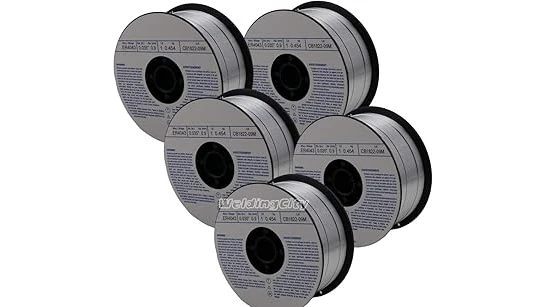
- Consumables: Extra welding wire, contact tips, and nozzles.
Frequently Asked Questions
Question: What is the minimum amperage I need for home welding?
Answer: For most light home projects, a welder with around 100 amps is a good starting point. This will allow you to weld common materials up to about 1/8 inch thick.
Question: Can I weld aluminum with a standard MIG welder?
Answer: You can weld aluminum, but it’s easier with a spool gun, which most standard MIG welders can accommodate as an accessory. Pure argon gas is also needed for aluminum.
Question: Do I need a gas cylinder for MIG welding?
Answer: Yes, a shielding gas cylinder (usually a mix of argon and CO2) is required for standard MIG welding. However, some welders can also use flux-cored wire, which doesn’t need gas.
Question: How thick of metal can a 120V MIG welder handle?
Answer: A good quality 120V MIG welder, typically around 140-170 amps, can handle steel up to about 3/16 inch thick. Thicker metal may require a 240V machine.
Question: What’s the difference between MIG and flux-cored welding?
Answer: MIG welding uses a shielding gas from a tank to protect the weld puddle. Flux-cored welding uses a special wire with a flux coating that creates its own shielding gas when burned. Flux-cored is better for windy conditions.
Final Thoughts
Choosing your first MIG welder should feel exciting, not overwhelming. Think about the metal you’ll weld most often and how thick it is. Most home users do well with a 120-volt MIG welder offering about 140 amps.
These are versatile and plug into a regular outlet. Don’t forget safety gear! A good helmet and gloves are essential.
With the right machine and a little practice, you’ll be making strong, clean welds on your projects in no time.