Many beginners wonder, How Do You Store Welding Gas Cylinders Safely? It can seem like a lot to remember. You want to make sure you and your workshop stay safe. Don’t worry, it’s simpler than it sounds!
We’ll walk through each step to make storing your gas cylinders easy and secure. Get ready to learn the best way to keep everything safe and sound for your next welding project.
Key Takeaways
- Always store gas cylinders upright and secured.
- Keep cylinders away from heat, sparks, and open flames.
- Store full and empty cylinders separately in well-ventilated areas.
- Use protective caps on cylinder valves when not in use.
- Ensure proper labeling and segregation of different gas types.
- Follow local regulations and manufacturer guidelines for storage.
Understanding Welding Gas Cylinders
Welding gases are essential for many welding processes. They help protect the weld area from contamination and ensure a strong, clean joint. Common welding gases include acetylene, oxygen, argon, and CO2.
Each gas has unique properties and requires specific handling and storage to prevent accidents.
These gases are stored under high pressure in sturdy metal cylinders. Because of this pressure, mishandling them can lead to dangerous situations. This is why knowing How Do You Store Welding Gas Cylinders Safely? is so important.
It’s not just about protecting your equipment; it’s about protecting yourself, others, and your property.
The Risks of Improper Storage
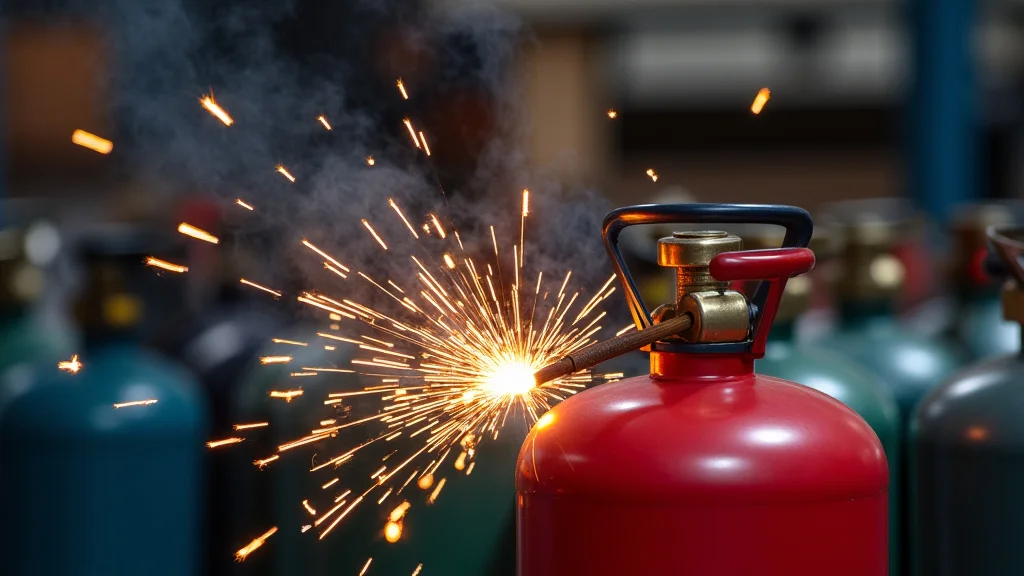
Storing welding gas cylinders incorrectly can cause several serious hazards. Cylinders can fall over, damaging the valves and potentially releasing gas. If a leak occurs near a spark or flame, it can lead to a fire or explosion.
Oxygen, in particular, can make materials burn much more intensely. Acetylene is highly flammable and can decompose explosively if not handled properly.
High-pressure gases themselves can be dangerous if released suddenly. Even without a spark, a rapidly escaping gas can cause injury or damage. For example, a falling cylinder can cause significant physical harm.
Therefore, a safe storage plan is a vital part of any welding operation.
Safe Storage Practices for Welding Gas Cylinders
When you ask, How Do You Store Welding Gas Cylinders Safely?, the answer involves a few key principles. Safety always comes first. Let’s break down the best practices step-by-step.
1. Keep Cylinders Upright and Secured
Always store gas cylinders in an upright position. They should be standing tall on a firm, level surface. This prevents them from tipping over.
Use chains, straps, or approved cylinder racks to secure them firmly. This is one of the most critical steps to avoid accidents.
A falling cylinder can break its valve. This can lead to a dangerous, uncontrolled release of gas. Secured cylinders are less likely to fall, even in an accident or if bumped.
2. Protect Valves and Caps
Every cylinder valve should be kept closed when the cylinder is not in use. When the cylinder is empty or in storage, always place the protective valve cap back on. This cap shields the valve from damage.
It also helps prevent accidental opening or tampering.
Never attempt to store a cylinder without its valve cap, even for a short time. The cap is designed to protect the valve assembly, which is critical for controlling the gas flow safely. If the valve is damaged, the cylinder could become a dangerous projectile or leak gas uncontrollably.
3. Store in a Well-Ventilated Area
Gas cylinders must be stored in a dry, well-ventilated area. This helps prevent the buildup of any leaked gases. Good ventilation disperses gases quickly, reducing the risk of fire or explosion.
Avoid storing them in confined spaces like small sheds or enclosed rooms without proper airflow.
The storage area should be cool and out of direct sunlight. Excessive heat can increase the pressure inside the cylinder. It can also degrade the cylinder’s materials over time.
4. Separate Full and Empty Cylinders
It’s important to store full and empty cylinders separately. This prevents confusion and ensures that empty cylinders are taken for refilling. Some gases, like oxygen, can be reactive.
Storing them near flammable materials, even in empty cylinders, can still pose a risk.
Clearly label your cylinders as “Full” or “Empty.” This makes it easy for anyone using the area to identify the cylinder’s status. Separate storage also helps maintain a clear inventory and ensures you always have usable gas when you need it.
5. Keep Away From Heat and Ignition Sources
This is a non-negotiable rule. Never store welding gas cylinders near any source of heat, sparks, or open flames. This includes pilot lights, heaters, welding or cutting operations, and electrical equipment that could generate sparks.
Flammable gases like acetylene are extremely sensitive to ignition sources. Even non-flammable gases like oxygen can intensify a fire, making it burn much hotter and faster. The storage area should be free of any potential ignition hazards.
6. Segregate Different Gas Types
Different types of welding gases can react with each other. Therefore, you must store them separately. For example, oxygen cylinders should never be stored next to flammable gas cylinders like acetylene.
Always follow the specific storage guidelines for each gas.
A good rule of thumb is to maintain a safe distance between incompatible gases. Many safety organizations provide charts or guidelines on compatible and incompatible gas storage. Consult these resources to ensure proper segregation.
7. Understand Flammable Gas Storage
Flammable gases, especially acetylene, require special attention. Acetylene is unstable at high pressures and is typically dissolved in acetone within the cylinder. Store acetylene cylinders upright and away from any heat or ignition sources.
Never use acetylene for welding or cutting if the cylinder has been subjected to impact or is lying on its side.
If an acetylene cylinder is stored horizontally, the acetone can escape and create a dangerous situation. Always ensure acetylene cylinders are handled and stored according to strict safety protocols.
8. Know Oxygen Storage Rules
Oxygen is not flammable, but it is a strong oxidizer. This means it can cause other materials to burn much more readily. Store oxygen cylinders away from flammable gases and materials.
Keep them in a clean area free from oil and grease, as these can react violently with oxygen.
Never use oil or grease on any part of an oxygen cylinder or its valve. Even a small amount can ignite. Like other gases, keep oxygen cylinders upright and secured, away from heat and ignition sources.
9. Use Protective Gear and Equipment
When moving or handling gas cylinders, always wear appropriate personal protective equipment (PPE). This includes safety glasses or a face shield, sturdy work gloves, and steel-toed boots. Cylinders are heavy and can cause serious injury if dropped.
Use a proper cylinder cart to move them around. Never roll or drag a cylinder. This can damage the valve and the cylinder itself.
Proper handling is a key part of safe storage.
10. Read Manufacturer and Local Regulations
Always refer to the manufacturer’s instructions for your specific gas cylinders and regulators. They often provide detailed guidance on safe handling and storage. Additionally, be aware of and follow local fire codes and occupational safety regulations regarding gas cylinder storage.
These regulations are in place to ensure the highest level of safety in your workshop or facility. They may specify minimum distances, ventilation requirements, and signage needed for gas cylinder storage areas.
Frequently Asked Questions
Question: Can I store welding gas cylinders indoors?
Answer: Yes, you can store them indoors, but only in a well-ventilated area. It must be away from heat, sparks, open flames, and any potential ignition sources. Confined spaces are not suitable for storing gas cylinders.
Question: How far apart should full and empty cylinders be stored?
Answer: While there isn’t a strict distance requirement, it’s best practice to store them in separate designated areas. This prevents confusion and ensures empty cylinders are readily identified and removed for refilling.
Question: What happens if an oxygen cylinder leaks?
Answer: An oxygen leak will enrich the surrounding air with oxygen, making any combustible materials more susceptible to ignition. It can cause fires to burn much more intensely. Ensure good ventilation and keep away from flammables.
Question: Can I use a standard wrench to open gas cylinder valves?
Answer: For most gases, a specific type of wrench designed for cylinder valves should be used. For oxygen, it’s crucial to never use oil or grease on the valve or wrench, as this can cause an explosion.
Question: Is it safe to store cylinders on their side?
Answer: No, it is never safe to store gas cylinders on their side. They should always be stored upright and secured to prevent them from falling. Storing cylinders on their side can damage valves and lead to gas leaks or other hazards.
Final Thoughts
You now know How Do You Store Welding Gas Cylinders Safely?. Keep them standing tall and tied down. Make sure the storage spot is open to fresh air and far from anything that can spark a fire.
Always cap the valves when you’re not using them. Store full and empty tanks apart, and keep different gas types separated too. Following these simple rules keeps you, your workplace, and your equipment safe.
It’s all about being careful and prepared so your welding work can be done with peace of mind.