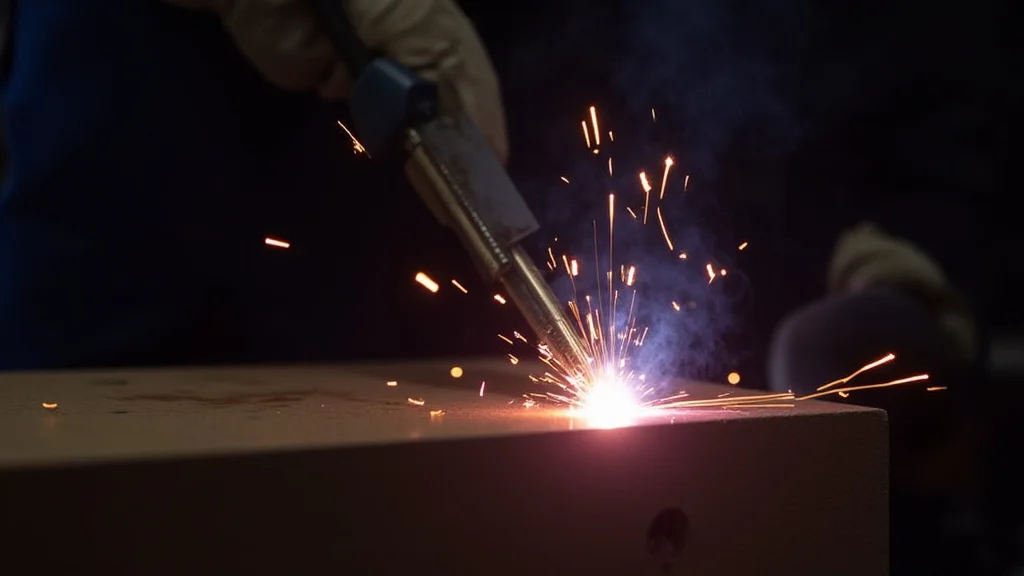
Getting the arc length just right in stick welding can be tricky for new welders. It’s like trying to find that sweet spot where the metal melts together perfectly. Too long, and your weld can be weak and spattery.
Too short, and you might stick your electrode to the work. This guide will show you How Do You Set Correct Arc Length in Stick Welding? in a super simple way. We’ll walk you through it step-by-step so you can get strong, clean welds every time.
Let’s get your welding looking professional.
Key Takeaways
- You’ll learn what arc length is in stick welding.
- Discover how arc length affects your weld quality.
- Understand the visual cues for the correct arc length.
- Learn practical tips for setting and maintaining arc length.
- Gain confidence in achieving better stick welds.
What is Arc Length in Stick Welding?
The Space Between the Electrode and the Work
Arc length in stick welding is simply the distance between the tip of your welding electrode and the surface of the metal you are joining. Think of it like the gap your electricity has to jump to create that welding arc. This gap is super important because it controls the heat and the way the molten metal flows.
Why Arc Length Matters
The distance here directly impacts your weld. If the arc is too long, you’ll see lots of sparks and the weld might look rough. It can also lead to a weaker joint because the metal doesn’t fuse as well.
If the arc is too short, the electrode can stick to the metal, stopping your weld and possibly damaging your electrode. Finding the right length means better control and a stronger, cleaner bead.
Visual Cues for Correct Arc Length
The Sound of the Arc
Listen closely when you’re welding. A good arc length will make a steady, frying-bacon sound. It’s a consistent crackle.
If the sound becomes sharp, popping, or hissy, your arc is likely too long. If it sounds like a low rumble or a grinding noise, your arc is probably too short.
The Appearance of the Arc
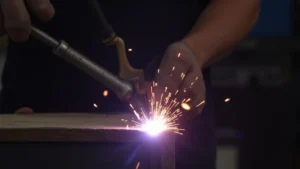
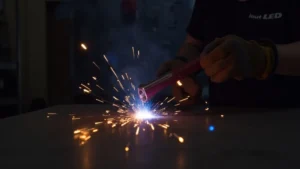
Look at the arc itself. When it’s just right, the arc will be a bright, steady light. You can usually see a clear, consistent stream of molten metal flowing from the electrode into the weld pool.
If the arc is too long, it will look wispy and uneven, with a lot of sparks flying around.
The Weld Pool Behavior
The weld pool, the molten puddle of metal you’re creating, is another great indicator. With the correct arc length, the weld pool will be fluid but controllable. It will move smoothly as you guide the electrode.
If the arc is too long, the weld pool might look shallow and wide, and the metal might not penetrate well. Too short an arc can make the weld pool appear deep and narrow, and you might see the electrode digging into it.
How to Set the Correct Arc Length
Start with Your Electrode Size
The general rule of thumb for arc length is to match it to the diameter of your electrode core wire. For example, if you are using a 1/8-inch diameter electrode, aim for an arc length of about 1/8 inch. This is a good starting point.
Different electrode types might have slightly different ideal arc lengths, so check your electrode’s specifications if you’re unsure.
Electrode Angle and Travel Speed
While arc length is about the gap, how you hold your electrode and how fast you move also play a role. Keep your electrode at a slight angle, usually about 10-15 degrees, in the direction you are welding. Move at a steady pace so the weld pool has time to form and fuse properly.
These factors work together with arc length to create a good weld.
Practice Makes Perfect
The best way to learn is by doing. Grab some scrap metal and practice maintaining a consistent arc length. Try to keep the sound and the look of the arc as steady as possible.
You’ll get a feel for it with repetition. Don’t be afraid to make mistakes; they are part of the learning process.
Common Stick Welding Electrode Types and Arc Length Tips
En-6010 Electrodes
These electrodes are known for deep penetration and are often used for root passes on pipe. They tend to run hotter and require a shorter arc length. Keeping the arc short helps control the molten puddle and prevent burn-through.
A very short, “buggy whip” style of movement can be effective.
En-7018 Electrodes
En-7018 electrodes are popular for structural welding due to their strong welds. They generally require a slightly longer arc than En-6010 but still a controlled one. A medium arc length is often best.
They produce a smoother bead and less spatter than some other types. Maintaining a consistent arc prevents the flux from breaking down too quickly.
En-7024 Electrodes
These are often called “jet-rod” or “iron powder” electrodes. They are designed for fast, flat welding and have a very stable arc. They can tolerate a slightly longer arc length compared to En-6010.
The large amount of flux creates a shielding gas and slag that helps produce a very smooth bead with minimal effort.
Troubleshooting Arc Length Issues
Too Much Spatter
If you’re experiencing a lot of spatter, your arc is likely too long. This means the electricity is jumping too far, causing molten metal to be thrown from the weld pool. Try shortening your arc by lowering the electrode closer to the work surface.
Also, ensure your machine’s amperage is set correctly for your electrode size and material.
Electrode Sticking
When your electrode sticks to the workpiece, it usually means your arc is too short. The molten metal from the electrode is touching the base metal before the arc can properly form and melt them together. To fix this, try pulling the electrode away slightly.
If it happens frequently, you might need to increase your amperage slightly for better penetration or adjust your travel speed.
Weak or Undercut Welds
An arc that is too long can result in a weak weld with poor fusion. It might also cause undercut, which is a groove melted into the base metal next to the weld. This happens because the heat isn’t concentrated enough.
Always aim for that steady sound and visual cue of a proper arc. If your welds are weak, try shortening the arc and ensuring good penetration.
Porous Welds
Porosity, or small holes, in your weld can sometimes be linked to arc length and shielding. If your arc is too long, the shielding gas produced by the electrode coating might not adequately protect the molten weld pool from the air. This can trap gases, leading to porosity.
Keep your arc short and steady to ensure proper shielding.
Maintaining the Correct Arc Length During Welding
Constant Awareness
Welding is a dynamic process. As you move, the distance between your electrode and the work can change. You need to be constantly aware of this distance.
Try to develop a feel for it. Many experienced welders don’t even think about it consciously; it becomes automatic.
Adjusting as You Go
If you notice your arc getting too long or too short, make small, quick adjustments. If it’s too long, lower the electrode slightly. If it’s too short, pull it back a little.
These adjustments should be subtle and quick. The goal is to keep the arc as consistent as possible throughout the weld.
Practice with Different Positions
Welding in different positions (flat, horizontal, vertical, overhead) can make maintaining arc length more challenging. For example, welding overhead or vertically up often requires a shorter arc than welding flat. Practice in all positions to build the dexterity and feel needed for consistent arc control.
Frequently Asked Questions
Question: What is the main difference between a long arc and a short arc in stick welding?
Answer: A long arc has a larger gap between the electrode and the metal, leading to more spatter and weaker welds. A short arc has a very small gap, increasing the risk of the electrode sticking and causing poor fusion.
Question: How can I tell if my amperage is too high or too low for the arc length?
Answer: If your amperage is too low, you’ll have trouble maintaining a steady arc, and the electrode may stick easily. If it’s too high, you might get excessive spatter and burn-through, even with a correct arc length.
Question: Should I adjust my arc length if I change my travel speed?
Answer: Yes, travel speed and arc length are related. If you move too fast, you might need a slightly longer arc to allow the metal to flow. If you move too slow, a shorter arc can help control the puddle.
Question: Does the type of metal I’m welding affect the correct arc length?
Answer: Yes, different metals have different melting points and conductivity. For thinner metals, you’ll generally need a shorter arc and less heat to prevent burning through. Thicker metals can handle a slightly longer arc for better penetration.
Question: Can using the wrong electrode size affect my arc length settings?
Answer: Absolutely. Larger diameter electrodes typically require higher amperage and might need a slightly longer arc length than smaller ones to achieve good penetration and fusion.
Final Thoughts
Learning How Do You Set Correct Arc Length in Stick Welding? is about finding a steady rhythm. Aim for that frying bacon sound and a clean, bright arc. Keep the gap roughly the same as your electrode’s core wire diameter as a starting point.
Watch the puddle and listen to the arc. Small adjustments keep it just right. Practice is your best tool to get this skill down.
Soon, you’ll be welding with confidence and making strong, good-looking beads.