When you’re starting out with welding, you might wonder, How Do You Protect Yourself from Welding Sparks? It’s a common question because those little hot bits can fly out unexpectedly. It can seem like a lot to remember at first, but we’ll break it down super simply. This guide will show you exactly what you need to do to stay safe, step by step.
First, let’s look at the most important things to know.
Key Takeaways
- You need special clothes to stop sparks from burning your skin.
- Your eyes are very important, so wear safety glasses and a helmet.
- Gloves protect your hands from heat and sparks.
- Closed-toe shoes are a must to keep sparks out.
- Keep flammable things far away from your work area.
- Always check your work area for anything that could catch fire.
Understanding Welding Sparks and Safety
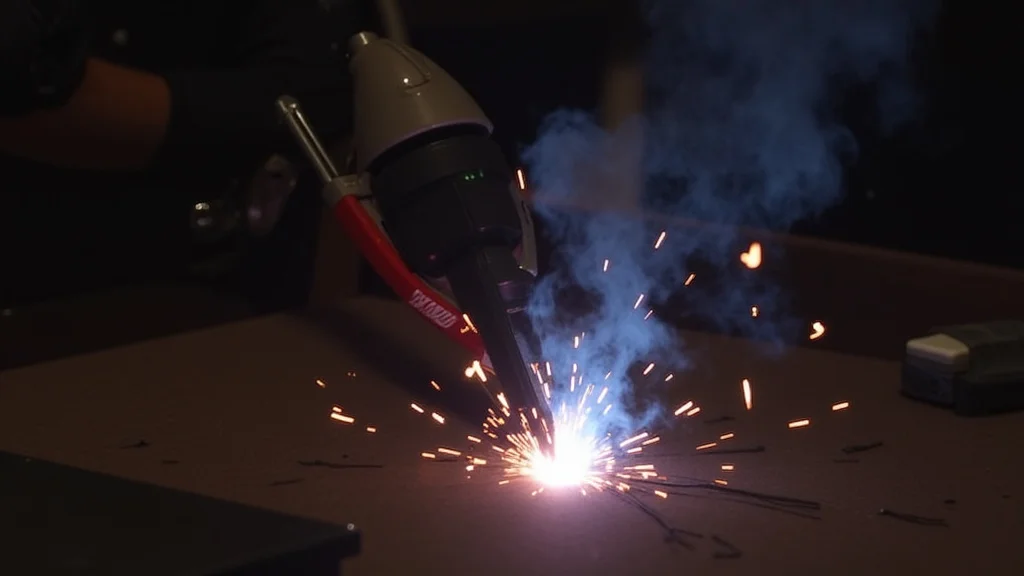
Welding creates intense heat and bright light. This process melts metal together. As the metal melts, tiny pieces can spray out.
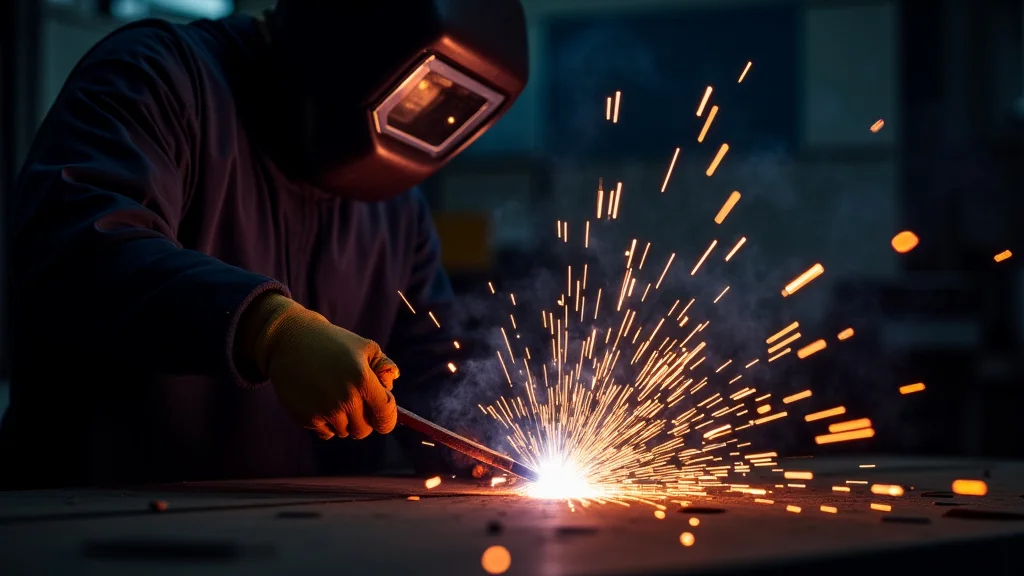
These are welding sparks. They are very hot and can burn skin or start fires. Knowing How Do You Protect Yourself from Welding Sparks? is key to staying safe while you weld.
It’s not hard once you know the right steps.
Why Sparks Fly
Sparks happen for a few reasons. When you weld, you’re essentially burning through metal. This creates a very hot arc.
This arc melts the metal you are joining and the welding rod or wire you are using. Tiny droplets of this super-hot, melted metal are thrown outwards. The force of the gas used in some welding types can also push these sparks further.
Think of it like water spraying from a hose. The faster the water, the further it goes.
The Dangers of Sparks
These sparks are not just annoying; they are dangerous. A welding spark can be as hot as 2,000 degrees Fahrenheit (about 1,100 degrees Celsius). That’s hot enough to melt steel!
If a spark lands on unprotected skin, it will cause a burn. If it lands on flammable materials, like wood, cloth, or paper, it can start a fire very quickly. This is why learning How Do You Protect Yourself from Welding Sparks? is so important for everyone who welds.
Essential Safety Gear
The best way to protect yourself is to wear the right safety gear. This gear creates a barrier between you and the sparks. It also protects you from the bright light and heat of the welding arc.
Protecting Your Body
Your body needs protection from head to toe. This is the first line of defense against sparks.
Flame-Resistant Clothing
Never weld in regular clothes. Synthetic fabrics like polyester can melt onto your skin, causing severe burns. Always wear clothing made from natural fibers that resist flames.
Cotton is okay if it’s thick and heavy, but wool or leather is even better. Look for welding jackets and pants made specifically for this purpose. These are usually made from materials like denim, leather, or specially treated cotton.
Make sure your clothes cover as much skin as possible. Long sleeves and long pants are essential. Tuck your pants into your boots to prevent sparks from getting inside.
Leather Apron and Sleeves
For extra protection, especially when doing overhead welding or when there’s a lot of spatter, you can wear a leather apron. Leather sleeves can also be added to regular work shirts for more arm coverage. Leather is tough and can withstand high heat and sparks without catching fire or melting.
Protecting Your Eyes and Face
Your eyes are very delicate and need the best protection. Welding produces bright light that can damage your eyes, and sparks can get in them.
Safety Glasses
Always wear safety glasses under your welding helmet. These glasses have side shields and protect your eyes from flying debris and stray sparks. They are a basic requirement, even when the helmet is down.
Welding Helmet
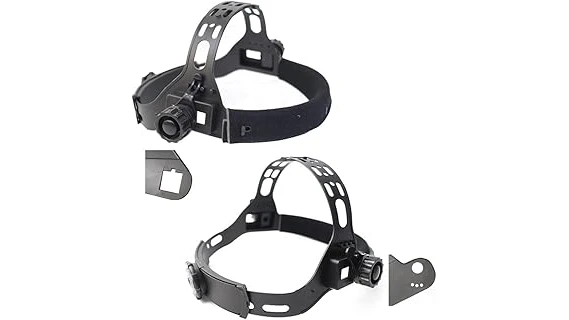
A welding helmet is crucial. It protects your face and eyes from the intense arc light and from sparks. Welding helmets have a special lens that darkens automatically when the arc starts.
This prevents the harmful UV and IR rays from reaching your eyes. Ensure your helmet has the correct shade number for the type of welding you are doing. Different welding processes require different shades.
Make sure your helmet fits well and covers your entire face. Adjust the straps so it stays in place when you nod your head.
Protecting Your Hands
Your hands are always close to the work when welding. They need serious protection.
Welding Gloves
Use thick, durable welding gloves. These are typically made of leather. They should be long enough to cover your wrists and the lower part of your sleeves.
Good welding gloves protect you from heat, sparks, and sharp metal edges. They allow you to grip the welding torch or electrode holder securely.
Inspect your gloves regularly for holes or wear. Damaged gloves won’t protect you properly.
Protecting Your Feet
Your feet are also at risk from falling sparks and hot metal.
Work Boots
Always wear sturdy, closed-toe work boots. Leather boots are best. They should have a thick sole that can resist heat.
Make sure there are no holes or gaps where sparks can get in. As mentioned earlier, tucking your pants into your boots adds another layer of protection.
Setting Up a Safe Work Area
Besides wearing the right gear, how you set up your welding area is vital. A safe space prevents accidents.
Clear the Area
Before you even strike an arc, look around your welding area. Remove anything that could catch fire. This includes paper, wood, fabric scraps, oily rags, and flammable liquids or gases.
Keep a fire extinguisher nearby and know how to use it.
Move all unnecessary items at least 35 feet away from where you will be welding. If you can’t move something, cover it with a fire-resistant blanket.
Ventilation is Key
Welding creates fumes. These fumes can be harmful to breathe. Always weld in a well-ventilated area.
If you are working in a confined space, use a fume extractor or respirator.
Good ventilation helps to clear the air of welding fumes and also helps to cool down the area, reducing the risk of sparks igniting nearby materials.
Check for Flammable Materials
Even things you don’t think are flammable might burn. Look for hidden hazards. Are there any cracks in the floor that could hold hot embers?
Are there any gaps in walls or ceilings where sparks could travel? Pay attention to the entire environment around your welding project.
Best Practices for Handling Sparks
Even with the best gear and a clean area, sparks will fly. Here’s how to handle that.
Work Smarter, Not Harder
Try to position yourself so that sparks are directed away from you and your safety gear. If possible, angle your body so sparks fall onto the floor or a non-flammable surface rather than onto your clothing or equipment.
Be Aware of Your Surroundings
Constantly be aware of where sparks are landing. If you see a spark land on something that could burn, put it out immediately. Don’t assume it will go out on its own.
Cool Down Hot Metal
After you finish welding, the metal can remain very hot for some time. Sparks can continue to be ejected from hot metal. Allow the metal to cool completely before you touch it or move it.
Frequently Asked Questions
Question: What kind of clothes should I NOT wear when welding?
Answer: You should not wear synthetic clothes like polyester, nylon, or acrylic. These materials can melt and stick to your skin, causing serious burns. Also, avoid loose-fitting clothing that could catch sparks easily.
Question: Can I weld with regular work gloves on?
Answer: Regular work gloves, like gardening gloves or thin leather gloves, are usually not thick enough for welding. You need special welding gloves made of thick leather that cover your wrists to protect from heat and sparks.
Question: How far away should I keep flammable items from my welding area?
Answer: You should keep all flammable items at least 35 feet away from your welding area. If you cannot move an item, cover it with a fire-resistant blanket.
Question: What if a spark lands on my skin?
Answer: If a spark lands on your skin and causes a burn, remove the burned clothing if it’s not stuck to the skin. Cool the burn with cool, running water. For serious burns, seek medical attention.
Question: Is it okay to weld outdoors without much ventilation?
Answer: Even outdoors, welding produces fumes that can be harmful. While outdoors offers more air, it’s still important to be aware of wind direction and any potential build-up of fumes. For safety, always try to have good airflow.
Final Thoughts
Knowing How Do You Protect Yourself from Welding Sparks? is about using the right gear and setting up smart. Wear flame-resistant clothes, a good helmet, and thick gloves. Make sure your boots are closed-toe.
Keep your workspace clean and clear of anything that can burn. Check everything before you start. With these simple steps, you can weld safely and confidently.