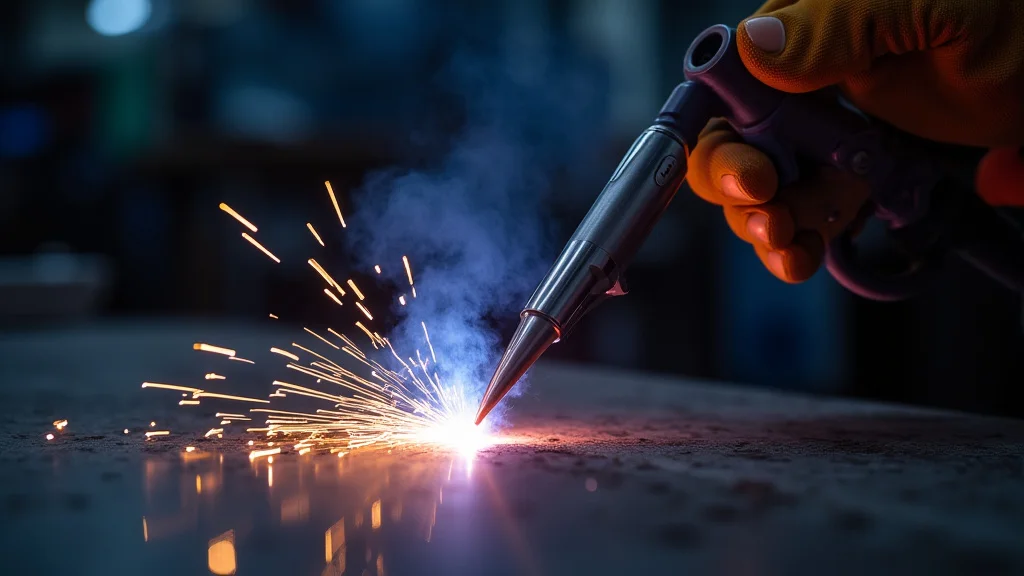
Keeping your TIG welding torch in good shape is super important for getting clean, strong welds. For folks just starting out, knowing How Do You Maintain TIG Welding Torch Components? can seem a little confusing. You might worry about doing something wrong or making things worse.
Don’t sweat it! This guide will walk you through everything step-by-step in a way that’s easy to follow. We’ll make sure you know exactly what to do to keep your torch running smoothly.
Key Takeaways
- Regularly cleaning your TIG torch parts helps them last longer.
- Inspecting for damage before and after welding prevents bigger problems.
- Knowing the right way to clean different components is key.
- Properly storing your torch protects it when not in use.
- Simple checks can catch issues early, saving you money and frustration.
Understanding TIG Welding Torch Components
Your TIG welding torch is made of several key parts that work together. Each piece needs a little attention to keep your welding safe and effective. Let’s look at the main bits you’ll be dealing with.
The Torch Body
The torch body is the main handle you hold. It houses many of the internal connections. Keeping the outside clean is simple. Wipe it down with a dry cloth after each use. This removes dust and grease that can build up.
The Gas Lens and Collet
These parts hold the tungsten electrode in place and control the flow of shielding gas. They are crucial for a stable arc.
Gas Lens
The gas lens has tiny holes that spread the shielding gas evenly over your weld. This prevents contamination. If it gets clogged with spatter, the gas flow can be uneven. This leads to poor welds.
Collet
The collet is a small metal tube that grips the tungsten. It needs to be the right size for your tungsten. If it’s damaged or worn, it won’t hold the tungsten firmly. This can cause arc instability.
The Electrode Holder (Collet Body)
This part holds the collet and inserts into the torch head. It’s often part of the gas lens assembly.
The Nozzle (Cup)
The nozzle, or cup, directs the shielding gas. It comes in different sizes and materials, usually ceramic or alumina. A clean nozzle ensures good gas coverage. Spatter can stick to the inside. This can disrupt gas flow.
The Tungsten Electrode
This is the electrode that creates the arc. It needs to be sharp and clean. Different types of tungsten are used for different metals and applications.
The Power Cable and Gas Hose
These supply electricity and shielding gas to the torch. They should be checked for cracks or damage. Leaks in the gas hose can reduce gas flow. Damaged power cables are a safety hazard.
Why Maintenance Matters
Taking care of your TIG torch components isn’t just about making them look good. It directly impacts your welding quality and your safety.
Better Weld Quality
When your components are clean and in good shape, the shielding gas flows correctly. This protects your molten weld pool from the air. Good gas coverage prevents porosity and contamination. A stable arc, thanks to a properly held tungsten and clear gas path, leads to cleaner, stronger welds.
Increased Lifespan of Parts
Regular cleaning and inspection prevent premature wear. For example, spatter build-up on the gas lens can cause it to overheat and crack. Keeping it clean extends its life. Similarly, a damaged nozzle can warp. This leads to the need for replacement sooner than necessary.
Improved Safety
A damaged power cable can cause electrical shocks. A leaky gas hose can lead to insufficient shielding gas, which can cause weld defects and, in confined spaces, an oxygen-deficient atmosphere. Maintaining your torch ensures it operates safely.
Cost Savings
Replacing worn-out parts costs money. By performing regular maintenance, you can catch small issues before they become big, expensive problems. A well-maintained torch also means fewer wasted materials due to poor weld quality.
Cleaning Your TIG Torch Components
Cleaning is the most frequent and important maintenance task. You should clean your torch after each welding session or at least daily.
General Cleaning
Start by disconnecting the torch from the welding machine. This is a safety must. Use a clean, dry rag to wipe down the exterior of the torch body, cable, and hose. This removes loose dirt and debris.
Cleaning the Nozzle
If there’s spatter stuck inside the nozzle, gently scrape it out with a soft tool. A wooden or plastic pick works well. Avoid metal tools, as they can scratch the ceramic. For stubborn residue, you can soak the nozzle briefly in warm water with a mild detergent. Rinse it thoroughly and let it air dry completely before reassembling.
Cleaning the Gas Lens and Collet
These parts are small and precise. Use a soft brush or compressed air to remove any dust or spatter. Do not use abrasive materials. If the gas lens screen is clogged, you can gently rinse it under running water and let it dry. Make sure no water gets into the torch body.
Cleaning the Tungsten Electrode
After welding, the tip of the tungsten can become rounded or contaminated. You can grind it to a point using a dedicated tungsten grinder. This ensures a stable arc. Avoid using the same grinder you use for metal, as this can contaminate the tungsten. If the tungsten tip appears discolored or balled up, it might indicate a gas flow issue or an incorrect amperage setting.
Checking Connections
Ensure the collet is snug inside the collet body. Make sure the nozzle is properly seated on the gas lens or collet body. Loose connections can lead to gas leaks and arc instability.
Inspecting Your TIG Torch Components
Beyond cleaning, regular visual inspections are vital. This helps you spot potential problems before they cause issues.
The Torch Body and Handle
Look for any cracks or signs of wear on the plastic or rubber handle. A damaged handle can be uncomfortable to hold and may expose internal wiring.
The Cable and Hose Assembly
Carefully examine the entire length of the power cable and gas hose. Check for any cuts, nicks, abrasions, or signs of melting. Pay close attention to the points where the cable and hose connect to the torch body and the welding machine. These are common stress points.
The Tungsten Electrode Holder
Inspect the collet and gas lens for any warping, cracking, or signs of excessive wear. If the collet seems loose or worn, it might be time to replace it.
The Nozzle
Check the nozzle for chips, cracks, or significant wear. A chipped or cracked nozzle can affect gas flow and weld quality.
Connections and Fittings
Ensure all threaded connections are clean and free of debris before tightening. Check for any leaks at the gas inlet fitting.
When to Replace Components
Some wear and tear are normal. Knowing when to replace a part is important.
Nozzle Damage
If your nozzle has significant chips, cracks, or appears warped, it should be replaced. Even minor damage can disrupt gas flow.
Worn Collet or Gas Lens
If the collet no longer grips the tungsten tightly or the gas lens screen is damaged, replace them. A loose tungsten electrode is a common cause of arc wander.
Damaged Cables or Hoses
Any damage to the power cable or gas hose is a safety concern and requires immediate replacement. Do not attempt to repair these.
Corroded Connectors
If the electrical or gas connectors are corroded or bent, they can cause poor connections and performance issues. Clean them if possible, but replace if damaged.
Proper Storage
How you store your torch when you’re not using it also plays a role in its maintenance.
Protect from Dust and Debris
Store your torch in a clean, dry place. A tool bag or a dedicated storage case is ideal. This prevents dust and metal particles from settling on the components.
Avoid Kinking Hoses and Cables
Do not coil hoses and cables too tightly. This can cause them to kink or crack over time. Store them in gentle loops.
Keep Away from Heat and Moisture
Extreme temperatures and moisture can damage torch components. Avoid storing your torch near heat sources or in damp environments.
TIG Welding Torch Maintenance Schedule
Here’s a simple schedule to follow:
After Every Use
- Wipe down the torch body, cable, and hose.
- Visually inspect the cable and hose for obvious damage.
- Check the nozzle for spatter build-up.
- If necessary, clean the nozzle and gas lens.
Weekly (or every 10-15 hours of welding)
- Perform a more thorough cleaning of all components.
- Inspect the collet and gas lens for wear or damage.
- Check the tungsten electrode for proper shaping and signs of contamination.
- Ensure all connections are tight.
Monthly (or as needed based on usage)
- Deep clean all components.
- Test for gas leaks at the fitting.
- Assess the overall condition of the torch and plan for any upcoming replacements.
Troubleshooting Common Issues
Sometimes, even with good maintenance, you might run into problems.
Inconsistent Arc
This can be caused by a dirty or damaged tungsten, a loose collet, or a clogged gas lens. Make sure these parts are clean and fitted correctly.
Porosity in Welds
This usually means a lack of proper shielding gas. Check your gas flow rate, ensure there are no leaks in the hose or connections, and make sure the nozzle is clean and correctly positioned. Wind can also cause porosity; try to shield your work area.
Spatter Build-up
Excessive spatter can be due to incorrect amperage settings, poor arc length, or a damaged nozzle. Make sure your settings are appropriate for the material you are welding.
Frequently Asked Questions
Question: How often should I clean my TIG torch nozzle?
Answer: It’s best to clean your TIG torch nozzle after every welding session, or at least daily. This prevents spatter build-up from affecting gas flow.
Question: What can I use to clean a dirty gas lens?
Answer: You can use a soft brush or compressed air to remove dust and light spatter from a gas lens. For tougher residue, a gentle rinse with water and mild detergent, followed by thorough drying, is usually effective.
Question: Is it okay to use a metal tool to scrape spatter from the nozzle?
Answer: No, it’s not recommended. Metal tools can scratch the ceramic nozzle, which can affect its performance. Use a soft, non-metal pick or scraper instead.
Question: How do I know when to replace my tungsten electrode?
Answer: Replace your tungsten electrode when it becomes too short to hold securely, is excessively balled up, or shows signs of contamination that can’t be cleaned off by grinding.
Question: What happens if my TIG torch cable is damaged?
Answer: A damaged TIG torch cable is a serious safety hazard. It can lead to electrical shock. It needs to be replaced immediately by a qualified person.
Final Thoughts
Keeping your TIG welding torch in top condition is straightforward when you know how. Regular cleaning and simple checks of your torch components prevent many common welding problems. Following these steps helps you achieve better welds and makes your equipment last longer. Stay on top of these easy tasks, and your torch will serve you well. You’ll get the quality welds you’re aiming for.