That clicking sound from your welding machine can be a little unnerving, especially when you’re just starting out. You might wonder, How Do You Fix Welding Machine Clicking Noise? It’s a common question because this noise can point to a few simple things that are easy to fix. Don’t worry, we’ll walk through it step-by-step so you can get back to welding smoothly.
Let’s look at what might be causing that noise and how to solve it.
Key Takeaways
- You’ll learn why your welding machine might be clicking.
- We will cover common causes like wire feed issues.
- You’ll discover how to check gas flow and pressure.
- Simple troubleshooting steps for electrical connections will be explained.
- Maintenance tips to prevent future clicking sounds will be shared.
Why Your Welding Machine Clicks
A clicking noise from a welding machine usually means something isn’t quite right. For beginners, this sound can be confusing. It might sound serious, but often it’s a sign of a minor issue you can fix yourself.
Think of it as your machine telling you it needs a little attention. It could be related to how the wire is feeding, the gas supply, or even a simple electrical connection.
Wire Feeder Problems
One of the most frequent reasons for a clicking sound is related to the wire feeder. This is especially true for MIG welders. The wire needs to move smoothly from the spool through the gun.
When it doesn’t, the drive motor might struggle and make a clicking noise. This often happens when the wire gets jammed or when there’s too much resistance.
Wire Tension
The tension on the wire feed rollers is very important. If the tension is too tight, the rollers can chew into the wire or slip, causing a clicking sound. If it’s too loose, the rollers won’t grip the wire properly, leading to inconsistent feeding and potentially a click.
You need to adjust the tension so it’s just enough to push the wire without damaging it.
Drive Rollers
The drive rollers grip the welding wire and push it through the liner. These rollers can wear down over time, or they might get clogged with metal shavings. If the grooves in the rollers don’t match the wire size, it can also cause problems.
Dirty or worn rollers might slip, making that clicking noise.
Wire Liner
The liner is a flexible tube inside the welding gun that the wire travels through. If the liner is kinked, bent, or damaged, it can create friction. The wire struggles to move through it, and the feeder motor might click as it tries to force the wire.
A worn-out liner can also create resistance.
Obstructions in the Gun
Sometimes, small pieces of wire or metal debris can get stuck inside the welding gun or the contact tip. This blockage makes it hard for the wire to pass through, leading to the feeder motor clicking. It’s like trying to push something through a straw with a crumb in it.
Gas Supply Issues
For MIG and TIG welding, a proper gas supply is essential. The gas shields the weld from the air. If the gas flow is interrupted or the pressure is wrong, it can affect the welding process and sometimes lead to noises that sound like clicking.
While not always a direct cause of a mechanical click, gas problems can mimic it or be related to wire feeding.
Low Gas Pressure
If your gas cylinder is running low, or the regulator is set too low, you won’t have enough shielding gas. This can cause weld defects and might make the arc unstable. In some systems, an unstable arc or a struggling gas solenoid can create audible noises.
Ensure your regulator is set to the recommended pressure for your type of welding and wire.
Leaking Connections
Hoses and connections for your gas supply can develop leaks. If gas is escaping, you won’t get the full amount to your weld. A small leak might not be obvious, but it can cause issues.
Sometimes, a faulty solenoid valve, which controls the gas flow, can also make a clicking sound when it tries to open or close.
Dirty Gas Nozzle
The gas nozzle on your MIG gun can get clogged with spatter. If the openings are blocked, the gas won’t flow out properly. This can create a sputtering sound rather than a clean weld.
While not a mechanical click, it’s an audible anomaly that beginners might misinterpret.
Electrical Connections and Power
Electrical components in your welding machine need to be clean and tight to function correctly. Loose connections or power issues can sometimes cause unusual sounds, including clicks.
Loose Ground Clamp
A poor connection between your ground clamp and the workpiece is a common problem. If the ground isn’t solid, the electrical current can’t flow smoothly. This can lead to an unstable arc and erratic welding.
Sometimes, a poor connection can cause relays or other components inside the machine to click as they try to establish a circuit.
Internal Connections
Inside the welding machine, various wires and terminals connect different parts. Over time, these can become loose due to vibration or heat. A loose internal connection might cause intermittent power delivery or trigger safety mechanisms that make a clicking sound.
Accessing internal components should only be done by someone experienced with electrical safety.
Faulty Relay or Contactor
Welding machines often use relays or contactors to switch high-current circuits on and off. If these components are failing, they can produce a clicking sound when they try to engage or disengage. This is a more serious issue that might require professional repair.
Machine Settings and Operation
Sometimes, the clicking noise isn’t a sign of a problem but rather how the machine is designed to operate or an indicator of incorrect settings.
Wire Burn-Back
Wire burn-back happens when the welding wire sticks to the workpiece after you stop welding. If the wire melts back too far and sticks to the contact tip, the next time you try to weld, the wire feeder will struggle. This can cause it to click as it tries to push the wire through the stuck tip.
Spool Gun Issues
If you’re using a spool gun for aluminum welding, these can have their own set of feeding problems. The motor in the spool gun can make clicking noises if the wire is too tight on the spool, if there’s a kink in the wire, or if the liner is obstructed.
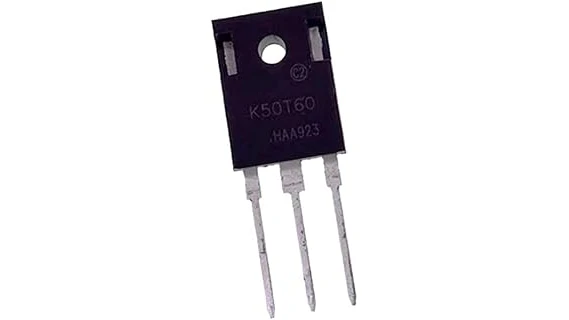
Inverter Board Malfunctions
More modern inverter-based welding machines have complex internal electronics. While less common for a simple clicking sound, a failing component on an inverter board could potentially produce unusual noises. This is usually accompanied by other performance issues.
Troubleshooting Steps
Let’s go through how you can check these things yourself to solve that clicking noise.
Check the Wire Feed System First
Start with the most common culprit: the wire.
- Inspect the Wire: Look at the welding wire on the spool. Is it feeding smoothly off, or is it tangled or kinked?
Sometimes a new spool can have a tight spot.
- Check Drive Rollers: Open the wire feed cabinet. Ensure the drive rollers are the correct size for your wire (e.g., 0.030″, 0.035″). Clean any metal dust or debris off the rollers.
Adjust the tension screw. Try a slightly looser tension first.
- Examine the Liner: Remove the welding gun from the machine. Try to push the wire by hand.
If it feels stiff or hard to push, the liner might be the problem. You might need to replace it.
- Clean the Contact Tip: Unscrew the contact tip from the end of your welding gun. Clean out any spatter or debris inside it.
A clogged tip restricts wire flow.
- Test Without Load: With the welding gun in the air, not touching anything, try feeding wire. Listen to the sound. Does it still click?
If it feeds smoothly now, the issue was likely burn-back or a bad connection to the workpiece.
Verify Gas Supply
If the wire seems okay, look at your gas.
- Check Gas Cylinder: Make sure your argon or C25 gas cylinder has enough pressure. The gauge on the tank should show a healthy amount.
- Regulator Settings: Ensure your regulator is set to the correct flow rate (usually measured in cubic feet per hour, CFH).
For most MIG applications, this is between 15-25 CFH.
- Listen for Leaks: With the gas turned on slightly, listen for any hissing sounds around connections or hoses. You can also use soapy water to find leaks – bubbles will form where gas is escaping.
- Observe Gas Flow: When you pull the trigger on your MIG gun (without welding), you should hear and feel a steady stream of gas coming from the nozzle.
Inspect Electrical Connections
Good electrical contact is vital.
- Clean Ground Clamp: Make sure your ground clamp is attached to clean, bare metal on your workpiece. Remove any paint, rust, or debris from the clamp and the contact surface.
- Secure Cable Connections: Check that the ground clamp cable and the welding torch cable are securely fastened to your welding machine.
- Check Torch Connections: Ensure the welding torch is properly connected to the machine.
Sometimes, connections can loosen over time.
Review Machine Settings and Operation
Sometimes it’s about how you’re using the machine.
- Wire Speed and Voltage: Ensure your wire speed and voltage settings are appropriate for the material thickness and type you are welding. Consult your machine’s manual for recommended settings.
- Burn-Back Setting: If your machine has a burn-back adjustment, try reducing it.
This setting controls how much the wire retracts after welding, preventing it from sticking.
When to Call a Professional
If you’ve gone through these steps and the clicking noise continues, or if you suspect an internal electrical issue, it’s time to get help. Internal repairs, especially on inverter machines, require specialized knowledge and tools. Attempting to fix complex internal problems without experience can be dangerous and may cause more damage.
A qualified welding equipment technician can diagnose and repair issues with relays, contactors, circuit boards, or other internal components safely.
Frequently Asked Questions
Question: Why does my MIG welder click when I pull the trigger?
Answer: When your MIG welder clicks upon pulling the trigger, it often indicates the wire feeder is trying to push wire but encountering resistance. This could be due to a kinked liner, a jammed tip, incorrect drive roller tension, or wire burn-back causing the wire to stick.
Question: Is a clicking sound always a sign of a serious problem?
Answer: No, not always. A clicking sound is often a symptom of a minor issue like improper wire feed tension, a slightly clogged tip, or wire burn-back, all of which are usually easy to fix. However, persistent clicking, especially if accompanied by other welding problems, could point to a more significant electrical fault.
Question: How do I adjust the wire feed tension on my welder?
Answer: On most MIG welders, you’ll find a tension adjustment knob or screw located near the drive rollers. You’ll want to start with a moderate tension and feed wire. If the wire slips, increase tension slightly.
If the rollers chew into the wire or it jams, decrease tension. The wire should feed smoothly without deforming.
Question: Can a dirty contact tip cause a clicking noise?
Answer: Yes, a dirty or spatter-clogged contact tip can absolutely cause a clicking noise. If the opening is restricted, the wire can’t pass through freely. The wire feeder motor will then struggle, leading to clicking as it tries to force the wire through the obstruction.
Question: My TIG welder is making a clicking sound. What could it be?
Answer: For TIG welders, a clicking sound is less common than with MIG. If it’s an AC/DC TIG with a high-frequency start, a clicking might be related to the high-frequency unit trying to arc or a fault within its circuitry. It could also be a relay inside the machine or a problem with the gas solenoid if it’s intermittent.
Final Thoughts
Dealing with a clicking welding machine can seem confusing, but most of the time, How Do You Fix Welding Machine Clicking Noise? has simple answers. It often comes down to the wire feed system, like adjusting roller tension or clearing a clogged tip. Gas supply and basic electrical checks are also key.
By following these steps, you can usually solve the problem yourself and get back to creating great welds without that annoying click.