If you’re new to MIG welding, you might find yourself asking, How Do You Avoid MIG Welding Wire Tangling? It’s a common puzzle that can slow you down. Wire getting messy is frustrating. But don’t worry!
We’ll walk through easy steps to keep your wire running smooth. Let’s look at what causes this and how to fix it so you can weld without interruption.
Key Takeaways
- Proper wire tension prevents tangling.
- Feeding the wire straight into the gun is important.
- The right spool placement helps wire flow.
- Checking your MIG gun liner can stop snags.
- Using quality consumables makes a difference.
- Coiling the welding lead correctly avoids knots.
Why MIG Welding Wire Gets Tangled
MIG welding wire getting twisted up is a frequent headache for folks just starting out. It happens for a few reasons. Think of it like a garden hose.
If you don’t store it right, it gets kinks. Welding wire is similar. When it’s not fed correctly, or the path it takes isn’t smooth, it can bunch up.
This makes welding tough. It stops your work and can be really annoying. Learning how to avoid this means smoother welding sessions.
Spool Issues
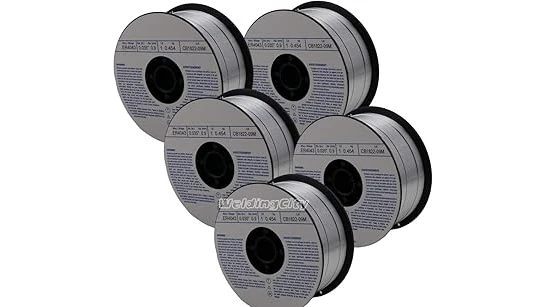
The way your wire is wound on the spool is a big part of the problem. If the spool isn’t seated right on the welder, it can wobble. This wobble makes the wire feed unevenly.
It’s like trying to unwind a ball of yarn that’s not held steady. The yarn can slip and create knots. For welding wire, this means more tangles.
Make sure the spool spins freely but doesn’t bounce around.
Sometimes, the wire itself isn’t wound neatly on the spool. If it’s too tight in some spots and too loose in others, it can cause problems. When the welder pulls the wire, it might snag on a tight spot.
Then, the slack part can whip around and form a loop. This loop is the start of a tangle. Always check your spool before you start welding.
Feed Roller Problems
The feed rollers are what push the wire from the spool through the gun. If these rollers aren’t set right, they can damage the wire. They might grip too hard, crushing the wire.
Or, they might not grip enough, letting the wire slip. Both situations can lead to tangling. The wire needs to be gripped just right so it feeds smoothly.
Also, the size of the groove in the roller must match your wire. If you have a 0.030-inch wire, you need a roller with a groove for 0.030-inch wire. Using the wrong size roller can cause the wire to slip or get damaged.
Damaged wire is more likely to snag and tangle inside the gun liner or other parts.
Gun Liner Snags
The gun liner is a tube inside your MIG gun. It guides the wire all the way from the rollers to the tip. If this liner is bent, kinked, or worn out, it can create friction.
This friction makes it hard for the wire to pass through. The wire can get stuck. When it gets stuck and the rollers keep pushing, the wire piles up and tangles.
Checking the liner is important. You can sometimes see if it’s damaged by looking down the barrel of the gun. If it’s severely kinked, it might need replacing.
Even small kinks can cause issues over time. Keeping the liner clean also helps. Dust and metal shavings can build up and make the wire drag.
Contact Tip Issues
The contact tip is where the electricity flows to melt the wire. It also helps shape the arc. If the tip is worn out or has spatter stuck inside it, the wire can’t pass through easily.
Spatter is molten metal that sticks to the tip. This can reduce the hole size. It creates a bottleneck for the wire.
When the wire hits this blockage, it can bunch up. This bunching can then lead to tangles further back in the system. Always clean your contact tip.
You can use a tip cleaner tool or a wire brush. Replace the tip if it looks worn or damaged. A clean, good-condition tip is vital for smooth wire feeding.
Wire Tension Adjustment
Wire tension is super important. It’s set at the drive rollers. Too loose, and the wire can slip and bird’s nest.
Bird’s nesting is when the wire forms a tangled mess near the gun. Too tight, and the rollers can crush the wire. Crushed wire can snag and tangle.
You need the right amount of pressure so the wire feeds but isn’t damaged.
To check tension, try pulling the wire out of the gun while the motor is on for a second. The rollers should grip it well enough to stop it from unreeling freely. But they shouldn’t be so tight that they flatten or damage the wire.
You can usually adjust this with a small knob or screw on the wire feeder. Start with a medium setting and adjust as needed.
Lead Management
How you handle your MIG gun lead (the cable that connects the gun to the welder) matters too. If you coil it up tightly or leave it in a jumbled mess, it can create its own tangles. The wire inside the lead can get caught.
Think of it like storing a Christmas light string. If you just stuff it in a box, it’s a knot next time you pull it out.
Always coil the lead loosely. Avoid sharp bends or kinks. Try to keep it as straight as possible when you’re not using it.
This helps the wire flow smoothly from the welder to the gun. A well-managed lead is less likely to cause wire feed issues. It makes your welding life much easier.
Preventative Measures
To stop wire tangling before it starts, a few simple checks go a long way. These steps are easy to follow and can save you a lot of frustration.
Check Your Wire Spool
Before you even start welding, give your wire spool a quick look. Is it seated firmly on the spindle? Does it spin easily?
Sometimes, a spool can be installed backward. This can cause the wire to feed off unevenly. Make sure the wire is coming off the top of the spool in the direction your welder is designed for.
Inspect the Gun Liner
Pull the contact tip off your MIG gun. Then, remove the nozzle. You can usually do this by hand or with a pair of pliers.
Now, try to push a new piece of wire through the gun by hand. If it feels stiff or catches anywhere, your liner might be the problem. A bent or worn liner is a common cause of tangling.
Adjust Drive Rollers
The drive rollers push the wire. They need to grip the wire just right. If they are too tight, they can flatten the wire.
This makes it hard for the wire to go through the liner. If they are too loose, the wire will slip. The wire might not feed at all, or it will feed unevenly, leading to tangles.
You should be able to hold the wire with your gloved hand for a moment while the welder is on. The wire should stop, but the rollers shouldn’t grind or flatten it.
Use the Correct Consumables
Make sure you are using the right size contact tip and drive rollers for your welding wire. For example, if you are using 0.030-inch wire, your tip and roller groove should be for 0.030-inch wire. Using the wrong size can cause feeding problems and tangles.
Quality consumables also make a difference. Cheaper ones might be made with looser tolerances, leading to more issues.
Maintain Your Equipment
Regular maintenance is key. Clean your contact tip and nozzle often. Remove any spatter that builds up.
A clean tip ensures the wire can pass through without obstruction. If you notice wear on your drive rollers, replace them. Keep your welding machine clean from dust and dirt, especially around the wire feeder mechanism.
Proper Wire Storage
When you’re done welding, store your MIG gun lead properly. Avoid leaving it in a tangled mess. Coil it loosely.
This prevents kinks from forming in the gun liner. A coiled lead helps ensure the wire will feed smoothly the next time you weld.
Frequently Asked Questions
Question: What is “bird’s nesting” in MIG welding?
Answer: Bird’s nesting is when the welding wire forms a tangled, nest-like mess near the MIG gun’s tip. It happens when the wire feed system isn’t working correctly, often due to low tension or a snag.
Question: Can a bent MIG gun cause wire tangles?
Answer: Yes, a bent or kinked MIG gun lead can create resistance. This makes it hard for the wire to travel through. The wire can bunch up and tangle inside the lead or gun liner.
Question: How often should I clean my MIG gun tip?
Answer: You should clean your MIG gun tip frequently, ideally after every short welding session or whenever you notice spatter buildup. Regular cleaning prevents wire feeding issues.
Question: What’s the difference between a solid wire and a flux-cored wire regarding tangling?
Answer: Solid wire can sometimes be more prone to tangling if tension is off or the liner is bad. Flux-cored wire often has a slightly more rigid wire and can sometimes jam if the flux coating breaks down.
Question: How tight should the wire tension be on my MIG welder?
Answer: The wire tension should be firm enough to feed the wire smoothly without slipping, but not so tight that it crushes or flattens the wire. You should be able to stop the wire with your gloved hand for a moment when it’s feeding.
Final Thoughts
Keeping your MIG welding wire from tangling is all about paying attention to a few key things. It’s about making sure the wire spool is set up right and spins freely. It’s about the rollers gripping the wire just enough, not too much or too little.
Checking that your MIG gun’s liner is smooth and clear helps the wire slide through easily. Also, keeping your contact tip clean and using the correct parts for your wire size makes a big difference. When you handle your welding lead with care, coiling it loosely, you prevent knots before they can start.
Following these simple steps will help you weld more smoothly and without those frustrating wire jams. You’ll get more done and have a better welding experience.