
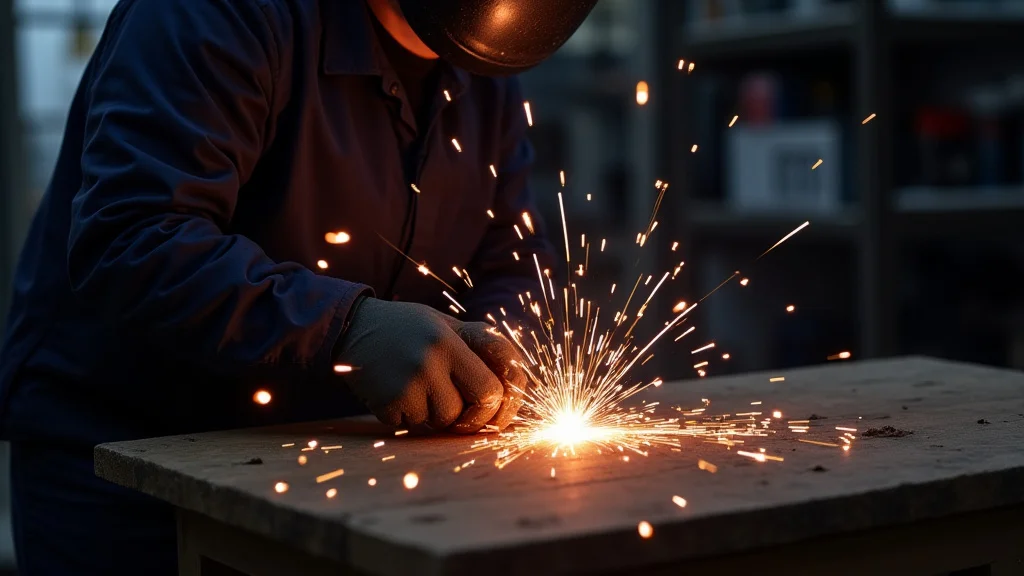
It can be frustrating when your welding machine suddenly decides not to start. This is a common problem for many, especially those just getting into welding, and can feel a bit tricky to figure out. But don’t worry!
We’re going to walk through some simple steps that can help you get it running again. We’ll look at the most likely reasons your welder is being stubborn and show you how to fix them easily.
Key Takeaways
- You’ll learn the most common reasons a welding machine won’t start.
- We’ll cover simple checks for power and connections.
- You’ll find out how to check safety features and fuses.
- We’ll explain how to identify and fix basic mechanical issues.
- You’ll feel more confident troubleshooting your welder.
Troubleshooting Your Welder: Why It Won’t Start
Understanding the Basics
A welding machine needs a few key things to work. It needs power, it needs to be turned on, and it needs all its parts to be connected correctly. When it won’t start, it’s usually because one of these basic needs isn’t being met.
Think of it like a car. If a car won’t start, it’s often a simple issue like the battery or not having enough gas, not usually a big engine problem right away.
Checking the Power Source
The very first thing to check is if your welding machine is getting power. This sounds obvious, but it’s the most frequent culprit. Is the machine plugged in securely?
Make sure the plug is pushed all the way into the outlet.
Outlet Issues
Sometimes, the problem isn’t the welder but the outlet itself. Try plugging something else into the same outlet to see if it works. If nothing works in that outlet, the problem might be with your home’s circuit breaker or the outlet itself.
You might need to flip the breaker switch back on if it has tripped.
Extension Cords
If you’re using an extension cord, make sure it’s the right type for your welder. Welding machines draw a lot of power. A cord that’s too thin or too long can cause power loss and prevent the welder from starting.
Always use a heavy-duty extension cord designed for high-amperage tools.
Investigating Connections
Loose connections can be a silent killer of welding power. Everything needs to be snug and clean.
Power Cord
Check the power cord that goes from the wall to your welder. Look for any damage, like cuts or frayed wires. If you see any damage, stop using it immediately and get it repaired or replaced.
A damaged cord is a safety hazard.
Ground Clamp and Electrode Holder
Your welding setup has two main cables. One is the ground clamp, which attaches to the metal you’re welding. The other is the electrode holder (or MIG gun/TIG torch), which holds the welding rod or wire.
Make sure both of these are connected tightly to the welding machine. Sometimes, a loose connection here can stop the machine from even turning on.
Examining the Welder’s Controls
Modern welders have several settings and switches. Let’s make sure they are set correctly.
Power Switch
It sounds simple, but double-check that the main power switch on the welder is in the “on” position. Sometimes these can be bumped or accidentally turned off.
Amperage and Voltage Settings
Many welders have dials or buttons to set the welding current (amperage) and voltage. While these usually don’t prevent the machine from starting, some safety features might be tied to them. Make sure they are set to a reasonable starting point, not at zero or a completely out-of-range setting.
Polarity Settings
Some welders have polarity switches (DC positive, DC negative, AC). Ensure these are set according to the type of welding you are doing and the materials you are using. Incorrect polarity won’t usually stop it from starting, but it’s good to check.
Checking Safety Features and Fuses
Welding machines have built-in safety systems to protect them from damage. If one of these is triggered, it can stop the machine from working.
Overload Protection
Most welders have an overload protector. If the machine gets too hot or tries to draw too much power, this will shut it down to prevent damage. If you suspect this has happened, unplug the welder and let it cool down completely for at least 15-30 minutes.
Then, try turning it on again.
Internal Fuses
Like many electrical devices, welding machines have internal fuses. If a fuse blows, it will stop power from reaching certain parts of the machine. You’ll usually need to open up the welder’s casing to check and replace fuses.
If you’re not comfortable doing this, it’s best to consult the manual or a professional.
Looking for Obvious Mechanical Issues
While less common for a “won’t start” problem, sometimes there are visual clues.
Damage to Cables or Gun/Torch
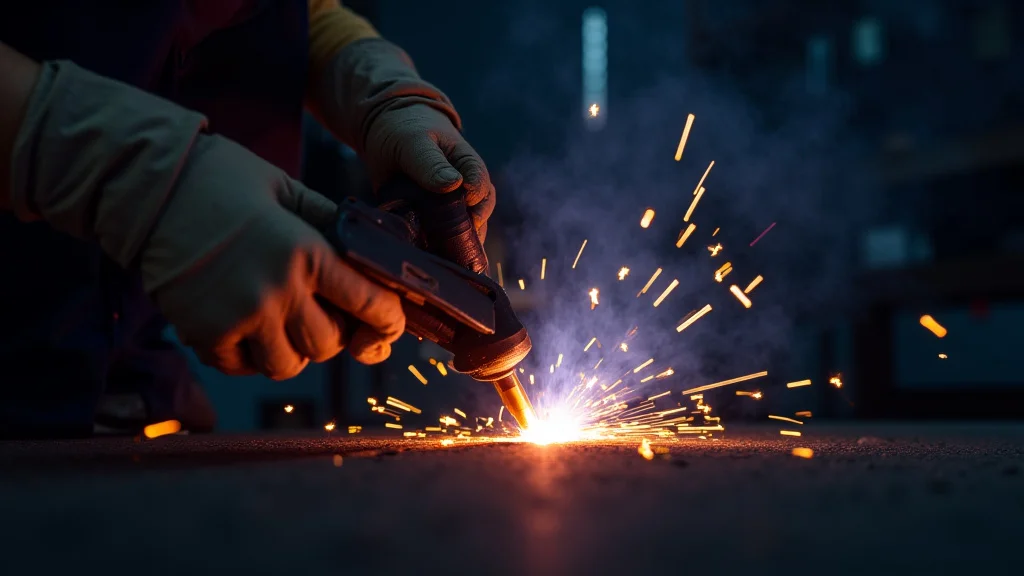
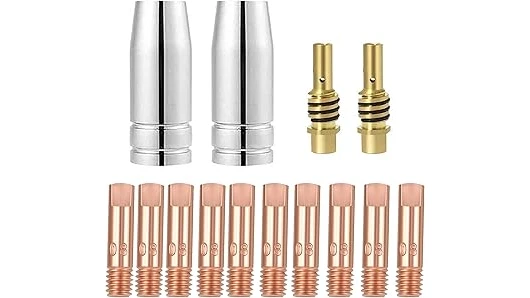
Inspect the cables leading to the ground clamp and the electrode holder. Look for any signs of damage, melting, or fraying. Also, check the MIG gun or TIG torch itself for any physical damage or blockages.
Cooling Fan
Some welders have a cooling fan that runs when the machine is on. If you don’t hear or see the fan spinning when you try to start it, it could indicate an electrical problem preventing power from reaching that component, or the fan itself might be the issue.
Frequently Asked Questions
Question: My welding machine won’t turn on at all. What should I check first?
Answer: Start by checking if the machine is plugged in securely to a working outlet. Then, make sure the main power switch on the welder is in the “on” position. Verify that your circuit breaker hasn’t tripped.
Question: I hear a humming noise, but no arc. What’s wrong?
Answer: A humming noise often means the machine is getting power but isn’t producing an arc. This could be due to loose connections at the ground clamp or electrode holder, incorrect polarity settings, or a problem with the welding wire feed (for MIG welders).
Question: My welder tripped the breaker. Why does this happen?
Answer: Tripping a breaker usually means the welder is drawing too much current. This could be because the welder is set too high for the circuit, the circuit is already overloaded with other devices, or there’s an internal issue within the welder causing it to draw excessive power.
Question: Can a bad ground clamp stop my welder from starting?
Answer: Yes, a bad or improperly connected ground clamp can prevent your welder from starting or functioning correctly. The ground clamp creates the return path for the electrical current, and a poor connection disrupts this flow.
Question: How long should I let my welder cool down if it overheats?
Answer: If your welder has an overload protector that shut it down due to heat, it’s best to unplug it and let it cool for at least 15 to 30 minutes. Ensure it’s in a well-ventilated area while cooling.
Final Thoughts
When your welding machine won’t start, think simple first. Check your power cord, ensure it’s plugged in, and verify your outlet is working. Make sure the ground clamp and electrode holder are connected tight.
Look at the machine’s own controls and switches to confirm they are set right. If you’ve checked these common spots and it’s still not starting, you might need to look for blown fuses or consider if an overload protector tripped. Most of the time, a quick fix for your Welding Machine Won’t Start?
Quick Fix is within reach by following these easy steps. Get back to welding safely!
Leave a Reply