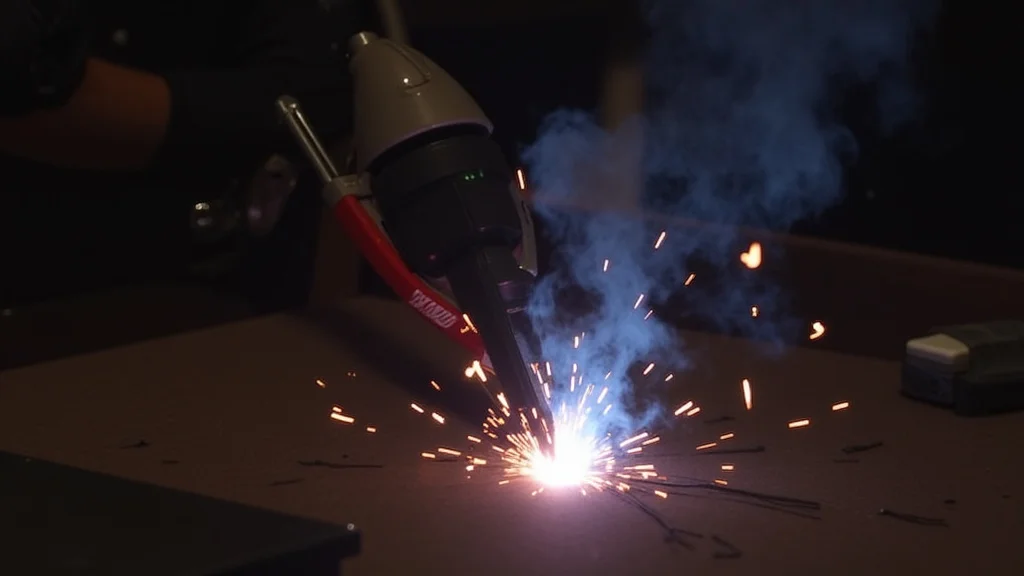
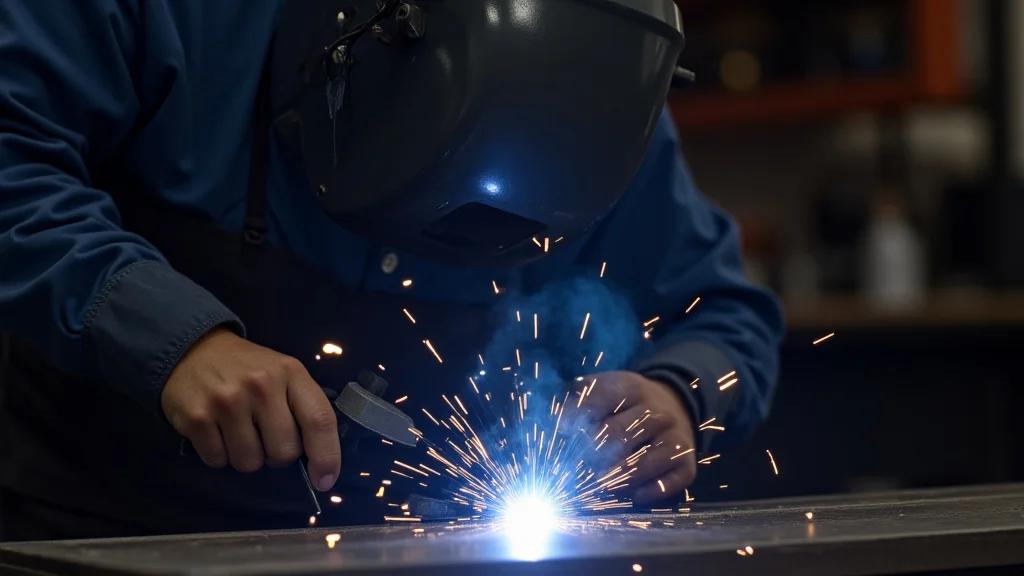
It can be frustrating when your welding machine suddenly stops working. For beginners, a Welding Machine Not Responding? Easy Fix situation might seem like a big problem.
You might worry about expensive repairs or not knowing where to start. But often, the fix is simpler than you think! This guide will walk you through common issues and give you easy steps to get your welder back up and running.
Let’s get your project moving again.
Key Takeaways
- You will learn about the most common reasons a welding machine might not respond.
- Simple checks for power and connections will be explained.
- Basic troubleshooting steps for common error messages will be covered.
- Tips for maintaining your welder to prevent future issues will be provided.
- You will find easy ways to fix your welding machine when it stops working.
Why Your Welding Machine Might Not Be Responding
When your welding machine acts up, it’s usually not a mystery. There are a few common culprits that stop it from working. Most of these are easy to spot and fix yourself.
You don’t need to be an expert to get it going again. Let’s look at why this happens.
Power Supply Issues
The most common reason a welder won’t turn on is a problem with the power. It’s like a car not starting because it’s out of gas. The welder needs electricity to work.
Checking the Power Cord and Outlet
First, make sure the power cord is plugged in firmly. Check both the machine’s end and the wall outlet. Sometimes, a loose connection is all it is.
Also, test the outlet with another device, like a lamp, to ensure it’s providing power. If the outlet is dead, the problem might be with your house’s circuit breaker.
Circuit Breakers and Fuses
Your welding machine and your home’s electrical system have circuit breakers or fuses. These are safety devices that cut off power if there’s too much electricity flowing. If a breaker has tripped, it will be in a different position than the others.
Flip it off and then back on again. If your machine uses fuses, check if any are blown. A blown fuse will have a broken wire inside.
Generator or Extension Cord Issues
If you’re using a generator, make sure it’s running and supplying the correct voltage. Also, check the extension cord. It needs to be the right gauge for the amount of power your welder uses.
A cord that’s too thin can overheat and restrict power flow, making the welder think there’s no power or causing it to shut down.
Machine Settings and Controls
Sometimes, the welder isn’t broken; it’s just set up incorrectly. Modern welders have many settings, and a mistake here can stop them from working.
Incorrect Amperage or Voltage Settings
Welders need specific settings for different types of metal and welding processes. If the amperage or voltage is set too low, or to a setting not suitable for your current task, the machine might not produce an arc. Double-check your welder’s manual for the recommended settings for your project.
Wrong Welding Mode Selected
Many welders can do different types of welding, like Stick, TIG, or MIG. If you’ve accidentally selected the wrong mode, the machine won’t weld properly. For example, trying to MIG weld with the Stick setting selected will prevent you from getting any weld.
Ensure the correct mode is chosen for the type of welding you intend to do.
Safety Features Engaged
Some machines have safety features that might prevent operation if conditions aren’t right. For instance, some might not start if they overheat or if a grounding clamp is not properly attached. Make sure all safety protocols are met.
Connection Problems
A good connection between your welder, the workpiece, and the ground is essential for welding. If these connections are poor, the electricity can’t flow correctly.
Ground Clamp Issues
The ground clamp connects the welding machine to the metal you are welding. If this clamp is loose, dirty, or not making good contact with clean metal, the circuit won’t be complete. This is a very common reason for a welder not striking an arc.
Make sure the clamp is tight and attached to a clean spot on your workpiece or welding table.
Workpiece and Cable Connections
Similarly, check the connection of the welding torch or electrode holder cable to the welder. Ensure it’s secure. The metal you are welding should also be free of paint, rust, or other coatings that can prevent a good electrical connection.
Internal Machine Faults
While less common, sometimes there can be a problem inside the welding machine itself.
Overheating
Welding machines generate a lot of heat. If a welder overheats, it has an internal safety system that will shut it down to prevent damage. You might see an indicator light turn on.
If this happens, turn the machine off and let it cool down completely. Ensure the cooling vents are not blocked and that the machine is in a well-ventilated area.
Internal Component Failure
This is rarer, but a component inside the welder could fail. This could be anything from a faulty circuit board to a problem with the internal wiring. If you’ve checked all the external issues and the machine still won’t respond, this might be the case.
These issues usually require professional repair.
User Error and Basic Mistakes
It’s easy to make a small mistake, especially when you’re new to welding.
Forgetting to Turn It On
It sounds silly, but in the excitement of starting a project, forgetting to flip the main power switch on the welder is possible. Always double-check that the machine is actually powered up before troubleshooting further.
Not Following Startup Procedures
Some welders have a specific startup sequence. For example, you might need to turn on the gas supply before powering up a MIG or TIG welder. Consulting your owner’s manual for the correct startup procedure is always a good idea.
Troubleshooting Steps for a Welding Machine Not Responding
When your welder is giving you trouble, follow these steps to figure out what’s wrong and fix it. This is a step-by-step approach to get you back to welding.
Step 1: Check the Power
This is always the first thing to check. Is the machine plugged in? Is the outlet working?
Is the breaker on?
- Ensure the power cord is securely plugged into both the welder and the wall outlet.
- Test the outlet with another appliance to confirm it has power.
- Check your home’s circuit breaker panel. If a breaker is tripped, reset it.
- If using a generator, ensure it’s on and producing the correct voltage.
Step 2: Inspect Connections
Bad connections are a frequent cause of welding problems. Make sure everything is hooked up right.
- Check the ground clamp. It must be tight and clamped onto clean metal.
- Inspect the welding torch or electrode holder connection to the machine. It should be secure.
- Ensure the workpiece is free of rust, paint, or other debris where the ground clamp attaches.
Step 3: Verify Machine Settings
Incorrect settings can prevent the welder from working. Consult your manual.
- Confirm you have selected the correct welding mode (e.g., MIG, TIG, Stick).
- Check the amperage and voltage settings. Ensure they are appropriate for the material you are welding.
- Make sure any safety interlocks or features are not preventing operation.
Step 4: Look for Error Lights or Codes
Many modern welders have displays that show error codes. These codes can tell you exactly what the problem is.
- Note any lights that are on or flashing.
- Refer to your welding machine’s manual to interpret any error codes displayed.
- The manual will often provide specific troubleshooting steps for each code.
Step 5: Check for Overheating
If the machine has been running for a while, it might have shut down due to heat.
- Turn off the welding machine.
- Ensure the air vents are clear of any dust or debris.
- Allow the machine to cool down for at least 30 minutes.
- Try turning it back on after it has cooled sufficiently.
Step 6: Consult Your Manual
Your owner’s manual is your best friend for troubleshooting.
- Read the troubleshooting section of your manual carefully.
- It will have model-specific advice for common issues.
- If you don’t have a physical copy, search online for a PDF version.
Step 7: When to Call a Professional
If you’ve gone through all these steps and your welder still won’t work, it’s time to seek expert help.
- If you suspect an internal component has failed.
- If you are uncomfortable performing any of the checks.
- If the problem persists after all basic troubleshooting.
Maintaining Your Welding Machine for Longevity
Keeping your welding machine in good shape can prevent many problems. A little care goes a long way.
Keep it Clean
Dust and debris can clog up cooling vents and internal parts. Regularly clean your welder, especially the cooling fans and vents, using compressed air or a soft brush.
Inspect Cables and Connections Regularly
Check your power cord, ground clamp cable, and welding torch cables for any signs of wear, cuts, or damage. Replace them if they look compromised. Ensure connections are always clean and tight.
Store it Properly
When not in use, store your welding machine in a dry, protected place. Avoid areas with excessive moisture, dust, or extreme temperatures.
Understand Its Limits
Don’t overload your welder. Make sure you are using it within its designed capacity for material thickness, duty cycle, and welding process.
Frequently Asked Questions
Question: My welding machine won’t turn on at all, not even a light. What’s the first thing I should check?
Answer: The very first thing to check is your power source. Make sure the power cord is firmly plugged into both the welder and a working electrical outlet. If it’s plugged in, check the circuit breaker for that outlet to see if it has tripped.
Question: I’m trying to weld, but I can’t get an arc to form. What could be wrong?
Answer: This is often a connection issue. Check your ground clamp to make sure it’s tightly attached to clean metal on your workpiece or welding table. Also, ensure the welding cable is securely connected to the welder itself.
Question: My welder keeps shutting off after a few minutes. Is it broken?
Answer: This is usually a sign that the machine is overheating. Make sure the cooling vents are not blocked and that the welder is in a well-ventilated area. Turn it off and let it cool down completely before trying again.
Question: How do I know if I need to call a professional for my welding machine?
Answer: If you’ve gone through all the basic troubleshooting steps, checked the power, connections, and settings, and the machine still won’t work, it might be an internal fault. If you’re not comfortable checking internal components or if the manual suggests a complex issue, it’s best to call a qualified repair technician.
Question: What are the most common settings I should check if my welder is not responding?
Answer: When your welder isn’t responding, check that you have the correct welding mode selected (MIG, TIG, Stick) and that the amperage and voltage settings are appropriate for the material thickness and type you are welding. Also, ensure any safety features aren’t preventing operation.
Final Thoughts
When your welding machine acts up, remember that most problems are simple. Checking power, connections, and settings often solves the issue. Don’t be afraid to consult your manual or try these easy fixes.
You can get your welder working again and continue your projects. A little patience and these steps will have you welding in no time.