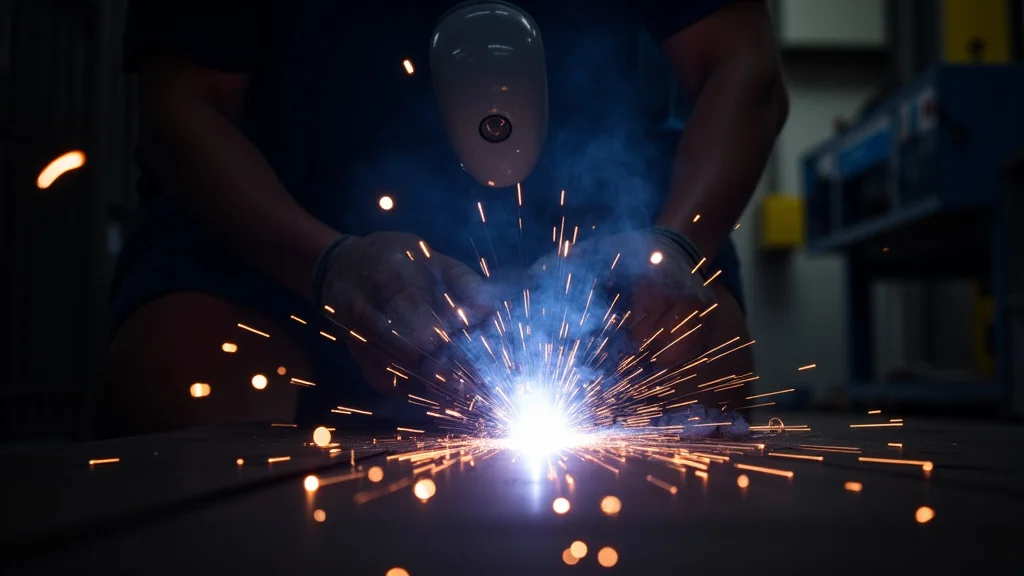
Sometimes your welding machine just doesn’t feel as strong as it should. It’s like it’s holding back! This common issue, the Welding Machine Not Reaching Full Power?
Fix, can be frustrating, especially when you’re just starting out. Don’t worry, though. We’ll walk through some easy steps to get your welder back to its best.
Get ready to learn what might be causing the problem and how to solve it simply.
Key Takeaways
- You’ll learn common reasons why a welding machine might lose power.
- We’ll explain how to check your power source for issues.
- Simple checks for your welding cables and connections will be covered.
- Tips for inspecting your welding machine itself will be provided.
- You’ll discover how to maintain your welder for consistent power.
- We’ll offer advice on when to seek professional help.
Why Your Welder Might Not Be Hitting Full Power
It’s a bummer when your welding machine isn’t giving you the heat and penetration you expect. You might be trying to make a strong weld, but it’s just not happening. This can be because the machine isn’t getting enough power, or something inside it isn’t working right.
For beginners, figuring out why can seem tricky. But often, the fix is quite simple.
Checking the Power Supply
The first place to look is where the electricity comes from. Your welder needs a good, steady stream of power to work its best. If the power source isn’t strong enough, your welder won’t either.
Outlet and Circuit Breaker
Make sure the wall outlet you are using is the right type for your welder. Some welders need special outlets. Also, check your home’s breaker box.
Has a breaker tripped? A tripped breaker means that part of your electrical system shut off to keep things safe. You can usually reset it by flipping the switch all the way off, then back on.
If it keeps tripping, there might be a bigger problem with your wiring.
Extension Cords
Using a long or thin extension cord can be a problem. These cords can cause power to drop before it even gets to your welder. It’s like trying to drink water through a very thin straw – the flow is weak.
If you have to use an extension cord, make sure it’s heavy-duty and rated for the amperage your welder needs. Shorter is always better if you can.
Generator Power
If you’re using a generator, it needs to be powerful enough for your welder. Generators have a maximum wattage. Check the manual for both your generator and your welder to see what’s needed.
A generator that’s too small will struggle, and your welder won’t get the full power it requires.
Inspecting Welding Cables and Connections
The cables that carry power from your machine to your welding torch and ground clamp are super important. If they have issues, power can get lost.
Ground Clamp Connection
The ground clamp needs a solid connection to the metal you’re welding. If it’s loose or dirty, electricity has a hard time flowing. Make sure the clamp is clean and bites firmly onto a clean spot on your workpiece.
Scrape away any paint, rust, or dirt where the clamp attaches.
Electrode Holder or Torch
Check where the welding electrode or wire connects to the holder or torch. A loose connection here means less power gets to the arc. Make sure everything is tight and clean.
For stick welding, check that the electrode is seated properly in the holder.
Cable Condition
Look closely at your welding cables. Are there any nicks, cuts, or worn spots? Damaged cables can be dangerous and can also cause power loss.
If you see any damage, the cable needs to be replaced.
Troubleshooting the Welding Machine Itself
Sometimes, the issue is with the welder itself. There are a few things you can check without needing to be an expert.
Cleanliness
Welders can get dusty and dirty, especially inside. Dust can build up on fans and vents, making the machine overheat. Overheating can cause the welder to reduce its power to protect itself.
Carefully use a brush or compressed air to clean out any dust and debris, especially around the cooling fans. Make sure the machine is unplugged before you do this.
Cooling Fan
The cooling fan is vital for keeping your welder from getting too hot. If you can’t hear it running or it sounds weak, it might not be cooling the machine effectively. A faulty fan can lead to the welder shutting down or reducing power.
Amperage and Voltage Settings
It sounds simple, but double-check your settings. Are you accidentally on a lower amperage than you intended? Sometimes dials can be bumped or settings changed without realizing it.
Refer to your welder’s manual to ensure you have the correct settings for the type of welding you are doing and the thickness of the metal.
Duty Cycle
Every welding machine has a duty cycle. This tells you how long you can weld continuously in a 10-minute period before the machine needs to cool down. If you’re welding for too long, the machine might reduce power to cool.
This is normal operation. If you find you’re hitting this limit often, you might need a welder with a higher duty cycle or to take more breaks.
Maintenance for Consistent Power
Keeping your welder in good shape helps prevent power issues. Regular checks and cleaning can save you a lot of trouble.
Regular Cleaning
Make it a habit to clean your welder after use. Wipe down the exterior. Clear any dust from vents and fans.
This prevents build-up that can cause overheating.
Connection Checks
Before each welding session, quickly check that your ground clamp and torch connections are tight and clean. This small step takes seconds but can prevent many problems.
Inspect Cables
Periodically look over your welding cables for any signs of wear or damage. Address any issues promptly by repairing or replacing them.
Refer to the Manual
Your welder’s manual is a great resource. It has specific information on maintenance and troubleshooting for your model.
Frequently Asked Questions
Question: My welder seems weak. What is the most common reason?
Answer: The most common reason is a problem with the power supply, like a weak outlet, a tripped breaker, or a poor extension cord. It’s also common to have a loose ground clamp connection.
Question: Can a dirty welder cause power loss?
Answer: Yes, a dirty welder, especially with dust blocking fans, can overheat. Overheating causes the machine to automatically reduce its power output to protect itself.
Question: How do I know if my extension cord is bad?
Answer: If your welder seems weaker when using an extension cord, or if the cord feels hot, it might be the problem. Use a heavy-duty cord rated for your welder’s amperage and keep it as short as possible.
Question: What is a duty cycle and how does it affect my welder’s power?
Answer: A duty cycle is the amount of time you can weld in a 10-minute period before the welder needs to cool down. If you exceed the duty cycle, the welder will reduce power or stop to prevent overheating.
Question: When should I call a professional for my welding machine?
Answer: If you’ve checked all the common issues like power supply, connections, and basic machine cleanliness, and it’s still not working right, it’s time to call a qualified repair technician. Also, call if you see sparks inside the machine or smell burning.
Final Thoughts
So, if your welding machine isn’t reaching full power, don’t get discouraged. You’ve learned how to check your power source, make sure your cables are good, and keep your machine clean. These simple steps often fix the problem.
Always start with the easiest things like checking outlets and connections. If everything looks okay, then look at the machine itself. With a little care, your welder will be back to making strong welds in no time.