
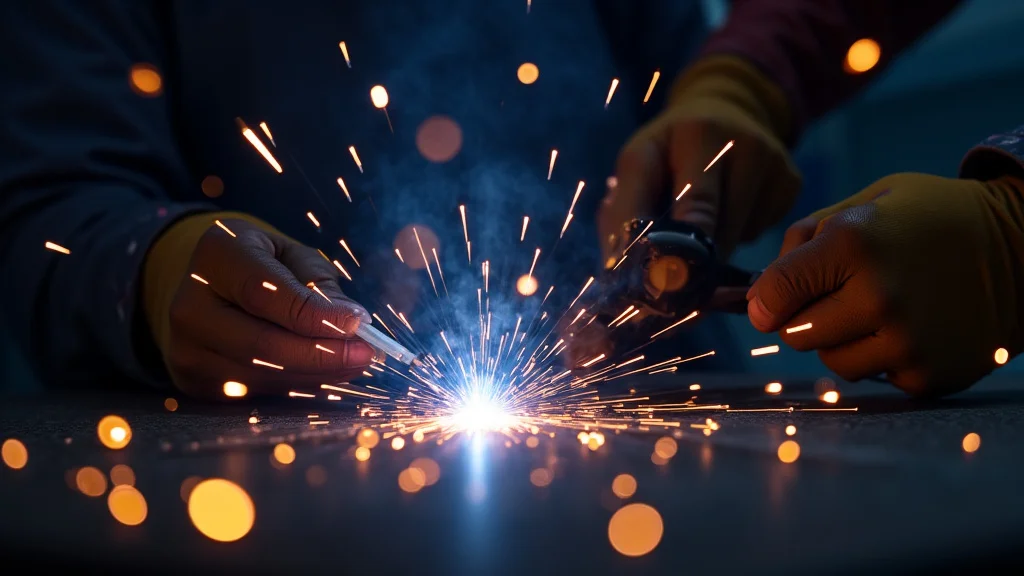
Having trouble with your welding machine’s motor? A common Welding Machine Motor Issue? Step Fix can feel tricky for folks just starting out.
Don’t worry! We’ve put together a simple, step-by-step guide to get you back to welding. We’ll walk through the most likely problems and how to solve them so you can get back to your projects quickly.
Key Takeaways
- You will learn the common reasons why a welding machine motor might not be working.
- This guide will show you simple checks you can do yourself.
- You will find out how to identify if the issue is with the motor itself or something else.
- Step-by-step instructions will help you fix many motor problems.
- You will know when it’s time to seek professional help.
Understanding Welding Machine Motor Issues
Welding machines, especially those with motor-driven components like wire feeders or cooling fans, can develop problems. When the motor stops working right, it can halt your entire welding operation. For beginners, these issues can seem confusing.
You might not know where to start looking for the cause. The good news is that many common motor problems are quite straightforward to diagnose and fix.
Why Motors Stop Working
Several things can cause a motor in a welding machine to stop working. One of the simplest reasons is a lack of power. The motor needs electricity to run.
If it’s not getting power, it won’t move. This could be due to a faulty power cord, a tripped circuit breaker, or a blown fuse.
Another common cause is a worn-out or damaged component within the motor itself. Motors have moving parts like brushes, bearings, and windings. Over time, these parts can wear down, break, or get dirty.
This wear and tear can prevent the motor from spinning correctly or at all.
Overheating is also a major culprit. If a motor gets too hot, it can shut down as a safety measure to prevent permanent damage. This can happen if the machine is used for too long without breaks, if the cooling fan isn’t working, or if there’s too much dust and debris blocking airflow.
Sometimes, the problem isn’t with the motor but with the control system that tells the motor what to do. This could be a faulty switch, a bad connection, or a problem with the electronic control board. These components send signals to the motor, and if they malfunction, the motor won’t activate.
Common Welding Machine Motor Problems and Their Fixes
Let’s break down some of the most frequent motor issues you might encounter. For each, we’ll explain what’s happening and how you can fix it.
Motor Makes Humming or Buzzing Noises But Won’t Turn
This is a classic sign that the motor is getting power but can’t get going. It’s like trying to push a car that’s stuck. The humming means electricity is flowing, but something is physically preventing the motor shaft from rotating.
Possible Causes:
- Mechanical Obstruction: Something might be jammed in the motor’s path, like a piece of debris or a misaligned part.
- Capacitor Failure (for AC motors): Many AC motors use a capacitor to help them start. If this capacitor is bad, the motor may just hum.
- Bearing Seizure: The motor’s bearings might be rusted, dry, or damaged, preventing smooth rotation.
- Low Voltage: If the motor is receiving less power than it needs, it might struggle to start and just hum.
Step Fix:
- Check for Obstructions: With the machine UNPLUGGED, carefully inspect the motor and its connected parts. Gently try to turn the motor shaft by hand. If it feels stiff or stuck, try to find and remove whatever is blocking it.
- Inspect Bearings: Listen for grinding noises. If you suspect the bearings, they might need to be cleaned, lubricated, or replaced. This can be a more involved repair, often requiring specialized tools.
- Test the Capacitor (if applicable): For AC motors, a bad capacitor is a common cause. You’ll need a multimeter to test it. If it’s faulty, it needs to be
- Verify Power Supply: Ensure the welding machine is plugged into a power outlet that provides the correct voltage and amperage. Check the power cord for any damage.
Motor Runs, But It’s Very Slow or Weak
If your motor is running but not with its usual power, it can affect how well your welding machine operates. A slow motor might not spin a fan fast enough to cool the machine, or it might not feed welding wire at the right speed.
Possible Causes:
- Worn Brushes (for DC motors): DC motors use brushes to transfer electricity to the spinning part (rotor). When these wear down, they don’t make good contact, reducing power.
- Loose Connections: Electrical connections can become loose over time due to vibration. This reduces the flow of electricity to the motor.
- Overheating: If the motor is running hot, its performance can drop significantly.
- Low Voltage: Similar to the humming issue, insufficient voltage can make a motor run weak.
- Internal Motor Damage: The motor’s windings could be partially shorted or damaged, reducing its efficiency.
Step Fix:
- Inspect Brushes (DC Motors): Locate the motor brushes. If they are very short or worn down, they need to be replaced. Make sure the new brushes are the correct type for your motor.
- Check Electrical Connections: With the machine UNPLUGGED, check all visible electrical connections going to the motor and its related components. Tighten any loose wires. Look for signs of corrosion or burning.
- Monitor Temperature: Feel the motor casing. If it’s excessively hot to the touch, the motor is likely overheating. Ensure cooling fans are working and vents are clear. Let the machine cool down completely before trying again.
- Confirm Power Source: Double-check that the welding machine is connected to a power source that meets its requirements.
Motor Stops Working After a Short Period of Use
This often points to an overheating issue or a component that’s failing under load.
Possible Causes:
- Overheating: The motor is running too hot and shutting itself off as a safety feature.
- Faulty Start/Run Capacitor (AC motors): A capacitor that’s starting to fail might work for a bit but then give out.
- Internal Short Circuit: A damaged winding inside the motor can overheat and cause it to stop.
- Power Supply Issues: The power source might be unstable or dropping in voltage when the motor draws power.
Step Fix:
- Allow for Cooling: If overheating is suspected, let the machine cool down for a significant period (at least 30 minutes to an hour) before trying to use it again.
- Check Cooling System: Ensure the machine’s cooling fan is operational and that all air vents are clear of dust, dirt, and debris. A blocked vent will trap heat.
- Test Components: If you’re comfortable with electrical testing, you can use a multimeter to check the capacitor and look for continuity issues in the motor windings. This might require removing the motor cover.
- Evaluate Usage: Are you using the machine beyond its duty cycle? For many welders, continuous use can lead to overheating. Give it breaks as recommended by the manufacturer.
Motor Won’t Start At All (No Hum or Sound)
This is the most complete failure. If there’s absolutely no noise, it means the motor isn’t even getting power, or there’s a complete electrical break somewhere before it.
Possible Causes:
- No Power to the Machine: The machine itself isn’t powered on or receiving electricity.
- Tripped Circuit Breaker or Blown Fuse: A safety device has activated, cutting off power.
- Faulty On/Off Switch: The switch that tells the motor to start is broken.
- Broken Wire or Connection: A wire has broken somewhere in the circuit powering the motor.
- Internal Thermal Overload: Some machines have a thermal switch that trips and prevents power from reaching the motor if it gets too hot.
Step Fix:
- Verify Main Power: Ensure the welding machine is plugged in and the power switch is on. Check if other devices plugged into the same outlet are working.
- Check Circuit Breakers/Fuses: Locate your main electrical panel and check if a breaker has tripped. If your welder has an internal fuse, carefully inspect it and replace it if blown. Always use a fuse of the exact same rating.
- Test the On/Off Switch: Use a multimeter to check if the switch is allowing power to pass through when it’s in the “on” position.
- Inspect Wiring: Visually inspect all visible wires leading to and from the motor. Look for any signs of damage, fraying, or breaks. This is where you might need to open up panels of the machine, so ensure it’s UNPLUGGED.
- Reset Thermal Overload: If your machine has a thermal overload reset button, look for it and press it. This is often a small red button.
Motor Makes Grinding or Squealing Noises
These sounds are usually a clear indicator of mechanical wear or friction within the motor itself.
Possible Causes:
- Bad Bearings: The motor’s bearings are worn out, dry, or damaged, causing friction.
- Misalignment: The motor shaft might not be perfectly aligned with the driven component, causing stress and noise.
- Foreign Objects: Small debris can get into the motor housing and cause grinding.
Step Fix:
- Listen Closely: Try to pinpoint where the noise is coming from. Is it constant, or does it happen only when the motor starts or stops?
- Inspect for Debris: With the machine UNPLUGGED, remove any covers to access the motor. Look for any foreign objects that may have fallen into the motor assembly.
- Check Bearings: Gently try to wiggle the motor shaft. Any excessive play could indicate bad bearings. If you suspect bearing issues, they will likely need replacement. This is often a job for a mechanic or requires specific tools.
- Verify Alignment: If the motor drives another component, check that they are properly aligned. Misalignment can put extra strain on bearings and cause noise.
Troubleshooting Flowchart (Mental Check)
When you face a motor problem, it helps to have a clear path to follow. Think of it like this:
Problem: Motor Not Working
- Is there power to the machine?
- Yes: Proceed to step 2.
- No: Check power cord, outlet, fuses, breakers.
- Does the motor make any noise (humming, buzzing)?
- Yes: Likely a mechanical or start-up issue. Go to “Motor Makes Humming or Buzzing Noises” section.
- No: Likely a complete electrical failure before the motor. Go to “Motor Won’t Start At All” section.
- Does the motor run, but weakly or slowly?
- Yes: Check brushes, connections, voltage, overheating. Go to “Motor Runs, But It’s Very Slow or Weak” section.
- No: Continue to next question.
- Does the motor run for a while then stop?
- Yes: Likely overheating or a failing component. Go to “Motor Stops Working After a Short Period” section.
- No: Continue to next question.
- Does the motor make strange noises (grinding, squealing)?
- Yes: Check bearings, alignment, debris. Go to “Motor Makes Grinding or Squealing Noises” section.
- No: Re-evaluate the problem; a combination of issues might be present.
When to Call a Professional
While many motor issues are fixable with basic tools and a bit of know-how, some problems are more serious. If you’ve gone through the steps above and still can’t solve the problem, or if you’re uncomfortable working with electrical components, it’s time to seek professional help.
Complex internal motor failures, issues with control boards, or situations where you need to completely disassemble the motor often require specialized knowledge and tools. Attempting repairs beyond your skill level can lead to further damage or, more importantly, safety hazards like electric shock.
Don’t hesitate to contact the manufacturer of your welding machine or a qualified welding equipment repair service. They have the expertise and parts to get your machine running safely and efficiently again.
Frequently Asked Questions
Question: My welding machine motor makes a loud noise, but the welder isn’t working. What should I do?
Answer: If the motor makes noise but the welder doesn’t function, first check if the noise is a hum (indicating power but no movement) or a grinding/squealing sound (indicating mechanical issues). For humming, check for obstructions or a bad capacitor. For grinding, inspect bearings and alignment.
Question: How do I know if my welding machine is overheating?
Answer: A welding machine that is overheating may have a motor that stops working after short periods, or you might notice the casing feels excessively hot to the touch. Some machines have indicator lights for overheating.
Question: Can I use a motor from a different appliance in my welding machine?
Answer: It’s generally not recommended. Motors are designed for specific voltage, amperage, speed, and torque requirements. Using the wrong motor can cause damage to the welder or the motor itself, and can be a safety hazard.
Question: What does it mean if my welding machine motor is humming but not spinning?
Answer: This usually means the motor is receiving electrical power, but something is preventing it from turning. It could be a mechanical jam, a bad starting capacitor (for AC motors), or seized bearings.
Question: My welder has been sitting for a long time, and now the motor won’t start. What’s the first thing to check?
Answer: If the motor is completely silent, check for power to the machine first. Then, look for a tripped circuit breaker or a blown fuse. If it hums, check for mechanical obstructions or capacitor issues.
Final Thoughts
Sorting out a Welding Machine Motor Issue? Step Fix doesn’t have to be a mystery. By checking the simple things first, like power supply and obvious obstructions, you can often solve common problems yourself.
Remember to always work safely, especially when dealing with electrical components. If the issue seems beyond basic repairs, don’t risk further damage or your safety; get professional help. Getting your welder motor running again means you can get back to your projects with confidence.

Leave a Reply