Having trouble with your TIG welder tungsten tip? It’s a common issue for anyone just starting out. Sometimes, the tungsten gets dirty or the point isn’t right, causing sparks and bad welds.
Don’t worry, fixing this is much easier than you think! We’ll show you exactly how to get your tungsten tip back in shape so you can make clean, strong welds. Get ready to learn some simple tricks that will make a big difference.
Key Takeaways
- You will learn why TIG welder tungsten tip problems happen.
- You will discover simple ways to clean and shape your tungsten.
- You will understand how the right tungsten tip helps with weld quality.
- You will find out what tools you need for tungsten tip maintenance.
- You will get tips on how to keep your tungsten in good shape longer.
- You will learn to avoid common mistakes when working with tungsten.
Understanding TIG Welder Tungsten Tip Problems
Why Tungsten Tips Go Wrong
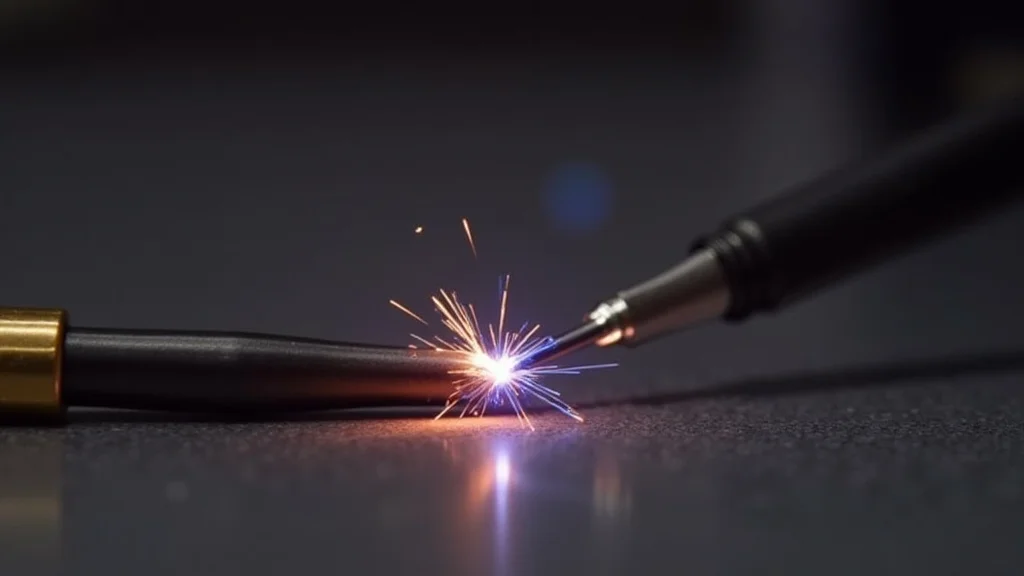
TIG welding uses a tungsten electrode to create the electric arc. This arc melts the metal you’re joining and the filler rod. When your tungsten tip isn’t just right, it can cause all sorts of problems.
It’s like trying to draw with a dull pencil; you won’t get a clean line. For beginners, this is one of the first hurdles to clear.
The most common issues start with the tungsten getting contaminated. This can happen if you touch the tungsten to the molten pool of metal, or if you get dirt or grease on it. Sometimes, the tungsten can even get a little ball on the end, which spreads out the arc and makes it unstable.
All these things lead to shaky welds, lots of spatter, and frustration.
The Impact on Your Welds
A poor tungsten tip is the reason behind many beginner TIG welding headaches. You might see a wide, fuzzy arc instead of a tight, focused one. This means less control over your weld puddle.
The weld beads can look messy, uneven, and weak. You might also get little bits of tungsten that break off and get stuck in your weld, which is a big no-no for strong joints.
When the tungsten is clean and properly shaped, the arc is stable and focused. This lets you control the heat and the melt precisely. You get clean, smooth welds with good penetration.
So, fixing the tungsten tip is a direct way to improve your welding results, right away.
Quick Fixes for Your Tungsten Tip
Cleaning Your Tungsten
Sometimes, all your tungsten needs is a good cleaning. If you see any discoloration or a dull look, it’s probably time. You can use a clean rag and a bit of acetone or isopropyl alcohol to wipe down the tungsten.
Make sure the tungsten is cool before you touch it. This removes oils and other surface contaminants that can affect the arc.
If the contamination is deeper, you might need to grind it off. But be careful! You don’t want to grind the tungsten every single time.
Only clean it when you see a real problem, like a fuzzy arc or discoloration.
Sharpening Your Tungsten
For most TIG welding, especially on steel and stainless steel, you want a nice, sharp point on your tungsten. This creates a focused arc. You’ll need a dedicated grinder, preferably a carbide grinder or a specific tungsten grinder.
Using a regular grinding wheel can contaminate the tungsten with steel dust, which you absolutely want to avoid. Steel dust on your tungsten means bad welds and problems.
When you grind, always grind lengthwise, from the tungsten tip towards the collet. This creates long, parallel lines along the tungsten. You want a smooth, pointed shape, not a blunt end or a rounded tip.
The angle of the point can matter too. A sharp point is good for most jobs, but some applications might need a slightly blunter, rounded end.
Grinding Technique for a Sharp Point
Start with a medium-grit grinding surface. Hold the tungsten electrode against the grinder. Move it back and forth along the grinding surface in a straight line.
Focus on creating a cone shape that tapers to a fine point. The longer and more slender the cone, the more focused your arc will be.
Try to keep the grinding consistent. You’re not trying to reshape the entire tungsten, just the very tip. Aim for a point that’s about 1/8 inch long.
Avoid spinning the tungsten while grinding, as this can create flat spots or an uneven point. A steady, linear motion is key. After grinding, lightly brush off any dust with a clean wire brush.
When to Use a Rounded Tungsten Tip
While a sharp point is great for many things, sometimes a rounded tip is better. For AC welding, especially on aluminum, a slightly rounded or balled-up tip is often preferred. This is because aluminum welding involves a lot of back-and-forth current.
A sharp point can break off easily with the alternating current, contaminating your aluminum weld. A rounded tip is more durable and creates a wider, softer arc that’s good for aluminum.
To get a rounded tip, you can grind the tungsten to a point and then lightly run it on the grinder for a few extra seconds to soften the very tip. Or, some welders intentionally let a little ball form on the end during aluminum welding. The key is to know which type of tip works best for the metal and process you’re using.
Choosing the Right Tungsten Electrode
Types of Tungsten Electrodes
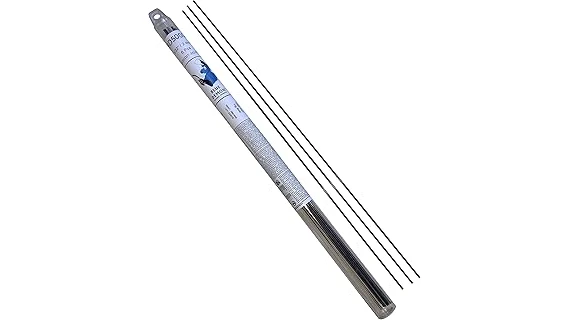
Tungsten electrodes come in different types, and each is colored at the end to identify it. The type you choose affects how well it works and what metals you can weld. For beginners, sticking to a few common types is usually best.
The most popular ones are:
- Pure Tungsten (Green Band): Older style, mostly used for AC aluminum welding.
- Zirconiated Tungsten (Brown Band): Good for AC welding, offers good arc stability.
- Lanthanated Tungsten (Gold or Blue Band): Very popular, works well for both AC and DC welding, excellent arc starting and stability.
- Ceriated Tungsten (Gray Band): Good for low-amperage DC welding, stable arc.
- Thoriated Tungsten (Red Band): Historically popular for DC, but contains radioactive thorium and is less recommended now due to health concerns.
Tungsten Diameter Matters
The thickness of your tungsten electrode also plays a role. Thicker electrodes can handle more amperage without melting. Thinner electrodes give you a more focused arc for finer details and lower amperages.
Here’s a general guide:
- 0.040 inch (1.0 mm): For very low amperages (under 20 amps), light gauge materials, detailed work.
- 1/16 inch (1.6 mm): A good all-around size for many common welding tasks up to about 100 amps.
- 3/32 inch (2.4 mm): For higher amperages (up to 150-200 amps), thicker metals.
- 1/8 inch (3.2 mm): For heavy-duty welding and very high amperages.
If your tungsten is too thin for the amperage you’re using, it will wear down very quickly or even melt back into your weld. If it’s too thick, your arc might be too wide and harder to control for thin materials.
Tools and Accessories
The Essential Grinder
As mentioned, a good grinder is your best friend for tungsten maintenance. You really need a grinder that is dedicated just for tungsten. This prevents contamination from other metals.
A small, handheld electric grinder with a diamond or carbide wheel is ideal. If you don’t have one, a sturdy bench grinder with a dedicated tungsten wheel works too.
Why dedicated? Imagine grinding your tungsten on the same wheel you use for steel parts. Those tiny steel particles get stuck on your tungsten.
When you weld, those particles will make your arc unstable and contaminate your weld. So, it’s worth getting a separate, clean grinding surface.
Tungsten Sharpening Guides
Some grinders come with guides that help you hold the tungsten at a consistent angle. These can be very helpful for beginners to get a uniform point. They ensure you grind the tungsten in a straight line, producing the desired conical shape without much effort.
They help keep the point centered and reduce wobble while grinding.
Wire Brushes and Cleaners
After grinding, you’ll want a clean wire brush, preferably made of stainless steel, to gently brush away any fine dust left on the tungsten. Also, keep a supply of clean, lint-free rags and some acetone or isopropyl alcohol for wiping down the tungsten before you insert it into the torch. Cleanliness is incredibly important in TIG welding.
Troubleshooting Common Problems
Arc Wander
If your arc seems to be wandering all over the place instead of staying put, it’s often a tungsten issue. This could be because the tungsten tip is dirty, contaminated, or not shaped correctly. A contaminated tip will cause the arc to be unstable and unpredictable.
Quick Fix: Stop welding, turn off the gas flow for a moment, and inspect your tungsten. If it’s dirty, clean it. If it’s not a sharp point (or the right shape for the metal), grind it to a proper shape.
Make sure you’re using the correct type of tungsten for your metal. If you are welding aluminum on AC, ensure your tip is rounded or balled.
Tungsten Melting or Breaking
If your tungsten is melting back into the weld puddle or breaking off, it usually means it’s too thin for the amperage you’re using, or the tip is too fine and overheating. It could also be that you’re accidentally touching the tungsten to the workpiece. You might also be using the wrong type of tungsten.
Quick Fix: Switch to a thicker tungsten electrode if you are welding at higher amperages. Ensure your tungsten electrode is properly ground to a stable point and not too sharp or too dull for the application. Try to maintain a consistent arc length and avoid dipping the tungsten into the weld puddle.
If welding aluminum, consider a rounded tip.
Sparks and Splatter
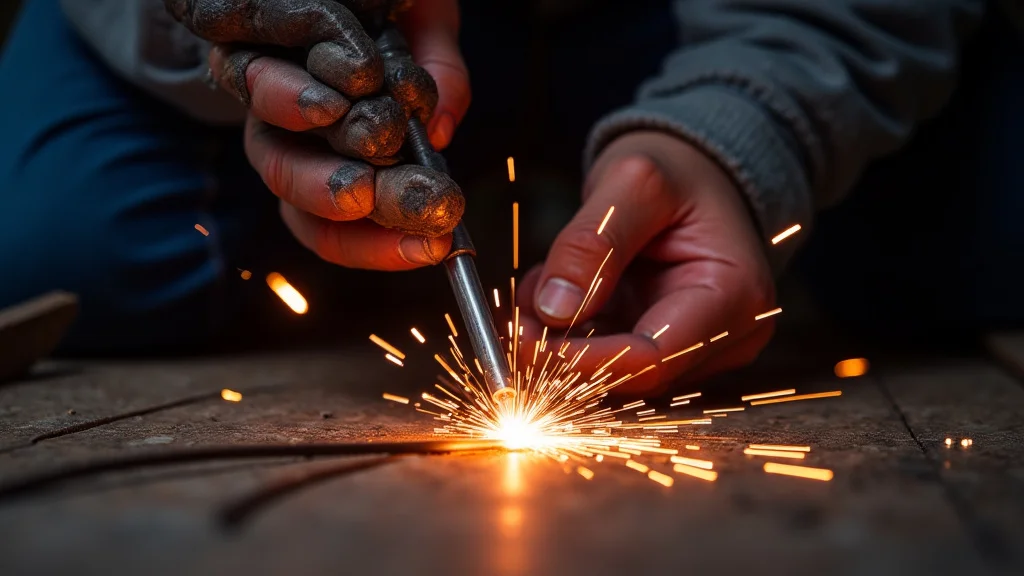
Excessive sparking and splatter are usually signs of contamination or an unstable arc. This can come from a dirty tungsten, the wrong gas flow, or improper technique. If the tungsten is dirty, it disrupts the arc and can cause it to sputter.
Quick Fix: Clean and re-grind your tungsten. Make sure your shielding gas flow is correct (not too much, not too little). Check that your workpiece and filler rod are also clean.
Sometimes, a slightly longer arc length can reduce splatter, but this requires practice.
Black Residue Around the Weld
If you see black soot or residue around your weld bead, it’s often a sign of poor shielding gas coverage or a contaminated tungsten. The tungsten itself might be shedding particles, or the arc might be unstable and burning in air.
Quick Fix: Ensure your argon gas flow is set correctly. Check for any drafts that might be blowing your shielding gas away. Clean your tungsten thoroughly and re-grind it.
If the problem persists, consider if your tungsten electrode is the right type for the material you are welding.
Maintaining Your Tungsten for Best Results
Regular Inspection
Make it a habit to look at your tungsten before and after each welding session. This helps you catch problems early. If you notice it’s getting dull, discolored, or has a ball on the end when it shouldn’t, it’s time for maintenance.
Clean Workspace
Keep your grinding area clean. Store your tungsten electrodes in a clean, protective case. Avoid handling them with greasy hands.
The cleaner everything is, the better your welds will be. This simple habit saves a lot of headaches later.
Practice Makes Perfect
The more you weld and maintain your tungsten, the better you’ll get at recognizing what it needs. You’ll learn to hear when the arc sounds “off” and to see when the tungsten isn’t performing well. This experience is invaluable.
Frequently Asked Questions
Question: How often should I grind my TIG tungsten?
Answer: You should grind your TIG tungsten whenever it looks dirty, discolored, or its point is damaged. It’s not about a fixed time, but about the tungsten’s condition. If the arc is unstable or spattering, it’s a good sign it needs sharpening.
Question: Can I use a regular grinder for my tungsten?
Answer: It’s highly recommended not to use a regular grinder for tungsten. Regular grinding wheels can leave steel particles on the tungsten. This contamination will transfer to your weld and cause serious problems.
Use a dedicated tungsten grinder or a special wheel.
Question: What’s the best type of tungsten for welding stainless steel?
Answer: For stainless steel, lanthanated tungsten (gold or blue band) is an excellent choice. It works well for both DC and AC welding and provides a stable arc. Ceriated tungsten is also a good option for DC welding of stainless steel.
Question: How do I keep my tungsten from melting into the weld?
Answer: To prevent your tungsten from melting into the weld, ensure you are using the correct tungsten diameter for your amperage. Keep a proper arc length; don’t get too close. Avoid touching the tungsten to the molten weld puddle.
Ensure your tungsten is properly shaped and clean.
Question: Is it okay for my tungsten to have a small ball on the end?
Answer: A small ball on the end of your tungsten is often okay and even preferred for AC welding of aluminum. It helps create a more stable arc and prevents the tungsten from breaking off. For DC welding, however, a sharp point is usually better.
Final Thoughts
Dealing with your TIG welder tungsten tip problem is simpler than it seems. You’ve learned that a clean, properly shaped tungsten is key to good welds. We covered why tips get dirty, how to clean and sharpen them using the right tools, and why different types of tungsten are important.
Remember to always use a dedicated grinder and inspect your tungsten regularly. Fixing your tungsten tip is a direct way to get cleaner, stronger welds every time. You’ve got this!