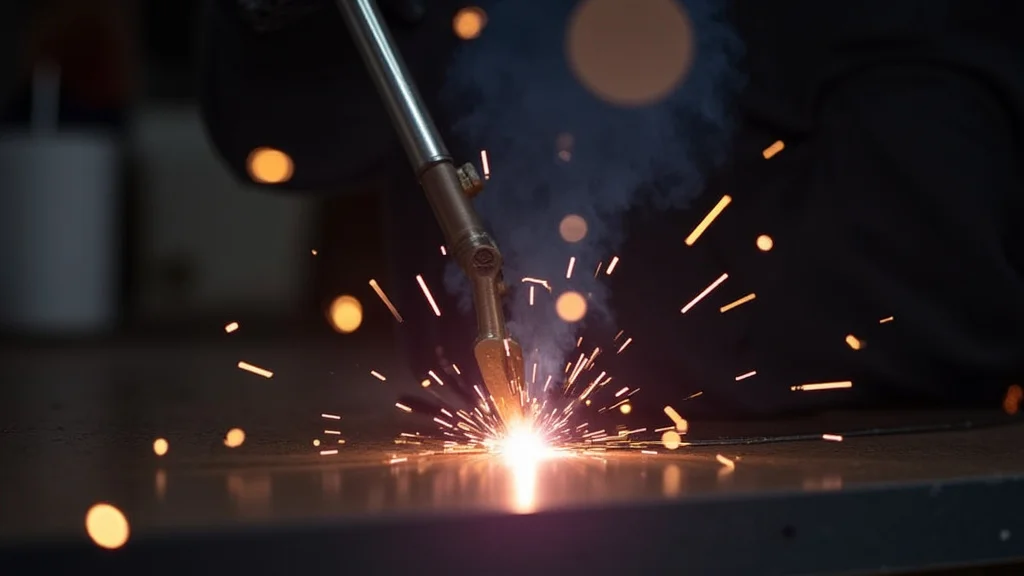
Getting your TIG welder to work right can sometimes be tricky. If you’re new to TIG welding, you might run into issues with gas flow. Don’t worry, this is super common!
A TIG Welder Gas Flow Problem? Quick Troubleshoot can seem tough, but it’s usually simple to fix. We’ll walk you through it step-by-step to get you welding smoothly again.
Let’s find out what might be wrong and how to fix it.
Key Takeaways
- You will learn what to look for when your TIG welder isn’t getting enough gas.
- We’ll show you how to check your gas bottle and regulator to make sure they are working correctly.
- You will discover common mistakes that block the gas flow.
- We’ll explain how to test your TIG torch and gas lines for leaks.
- You will find out how to adjust your flow rate for different welding jobs.
- You’ll be able to fix common TIG welder gas flow issues quickly.
Why Gas Flow Matters in TIG Welding
TIG welding, or Gas Tungsten Arc Welding, uses an inert gas to protect the weld pool. This gas is usually argon, or a mix of argon and other gases. The gas shields the molten metal from the air. Without proper gas flow, the weld can become weak and look bad. It can get holes, or look dirty and burnt. Getting the gas flow right is key to making strong, clean welds.
Common Signs of a TIG Welder Gas Flow Problem
When your TIG welder has a gas flow problem, you’ll notice a few things. The most obvious is that the weld might look different than usual. You might see a dull, porous surface instead of a shiny, clean one. Sometimes, you’ll see sparks or sputtering during welding, which means air is getting into the weld. You might also hear unusual noises from your regulator. Your tungsten electrode might also change color quickly, turning gray or even blue. These are all big hints that your gas isn’t protecting the weld as it should.
Checking Your Gas Supply
The first place to check is your gas supply itself. This means the gas bottle and how it’s connected.
The Gas Cylinder
Your gas bottle needs to have enough gas in it. If it’s almost empty, there won’t be any gas to send to your torch. Check the pressure gauge on the bottle.
If it’s low, you need to get a new or refilled cylinder.
The Valve
Make sure the valve on the gas bottle is fully open. Some valves are a knob you turn, others are levers. It needs to be open all the way to let the gas out.
If it’s only partly open, you’ll have low gas flow.
Connections
Check where the gas line connects to the bottle and to the regulator. These connections must be tight. A loose connection can let gas escape, reducing the flow.
Look for any signs of damage or wear on the fittings.
Understanding Your Regulator
Your gas regulator controls how much pressure comes out of the gas bottle and how much gas flows to your TIG torch. It’s a very important part.
Pressure vs. Flow Rate
Regulators often have two gauges. One shows the tank pressure (how much gas is left in the bottle). The other shows the delivery pressure or flow rate.
The delivery pressure is what matters for your welding. You need to set this correctly for TIG welding.
Setting the Flow Rate
The right flow rate depends on what you are welding and the gas you are using. For argon, a common flow rate for general TIG welding is 15-25 cubic feet per hour (CFH). For thinner metals, you might use less gas, maybe 10-15 CFH.
For thicker metals or when welding outside, you might need more, like 20-30 CFH. Always check your TIG welder’s manual or the welding consumable manufacturer’s advice for the best setting.
Common Regulator Issues
Sometimes, the regulator itself can fail. If the gauges aren’t moving, or if you hear hissing sounds from the regulator when it shouldn’t be active, it might be faulty. A regulator that won’t hold pressure or adjust properly needs to be replaced.
Inspecting Your Gas Lines and Hoses
The hoses that carry the gas from the regulator to your torch can also cause problems.
Hose Condition
Look closely at the hoses. Are there any cracks, cuts, or kinks? A damaged hose can leak gas or restrict its flow.
Make sure the hoses are clear and not bent in a way that squeezes the gas.
Connections to the Welder
Check the connection points where the gas hose attaches to your TIG welder. These also need to be secure and free from damage. A leak here can mean very little gas reaches your torch.
Troubleshooting the TIG Torch and Flow Meter
The torch is where the gas finally comes out, right before it shields your weld. The flow meter on your machine also plays a role.
The Torch Body
The gas comes out of the torch through a ceramic cup and then through a gas lens or collet body. The gas lens helps direct the gas more smoothly and widely. If the holes in the cup or gas lens are blocked by dirt or metal bits, the gas won’t flow properly.
Clean these parts regularly.
The Tungsten Electrode
Make sure the tungsten electrode is properly seated and not blocking the gas exit. If it’s too long or not positioned right in the collet, it can disrupt the gas flow. Ensure it sticks out the correct amount from the cup for your welding application.
Flow Meter Issues (On Welder)
Some TIG welders have a flow meter built into the machine. If this meter isn’t working, or if the internal gas lines are blocked, gas won’t reach the torch. Consult your welder’s manual for specific instructions on checking this part.
Performing a Leak Test
A simple leak test can find hidden problems.
Method
With the gas bottle on and regulator set, but the welding machine turned off (and no gas flowing through the torch), listen carefully. You should not hear any hissing sounds. If you do, you have a leak somewhere.
You can also use a soapy water solution and apply it to all connections and hoses. Bubbles will appear where the leak is.
What to Look For
Pay close attention to the connection at the gas bottle, the regulator, all hose connections, and where the hose connects to your welder. If you find a leak, tighten the connection or replace the damaged part.
Adjusting Gas Flow for Different Metals
The amount of gas you need can change depending on what you’re welding.
Thin Metals
For thin aluminum or steel, you don’t need a lot of gas. Too much gas can actually blow away the molten puddle. A flow rate of 10-15 CFH is often enough.
Thicker Metals
When welding thicker materials, or when welding outdoors where wind can blow the gas away, you’ll need more. A setting of 20-25 CFH is common. Sometimes, you might go up to 30 CFH if you’re using a gas lens and welding in a drafty area.
Aluminum vs. Steel
While the flow rate might be similar, the type of gas can differ. Pure argon is great for most steel and aluminum. For some stainless steels or exotic metals, a mix of gases might be used, which could affect the ideal flow rate.
Common Mistakes to Avoid
Beginners often make the same few mistakes with gas flow.
Forgetting to Turn on the Gas
This sounds basic, but it happens! Always double-check that the gas bottle valve is open and the regulator is set before you start welding.
Not Enough Gas
This is the most common issue. It leads to dirty welds, porosity, and weak joints. If your welds look off, suspect low gas flow first.
Too Much Gas
This wastes gas and can actually cause problems. It can create turbulence around the weld, pulling in air and causing contamination. It can also blow away the shielding gas.
Dirty or Damaged Parts
Keep your gas cups, gas lenses, and collets clean. Dirt or damage can obstruct the gas path. Also, ensure your tungsten is sharp and properly seated.
When to Seek Professional Help
If you’ve checked everything we’ve talked about and still have gas flow problems, it might be time to call a professional. The internal parts of your TIG welder or the regulator might be damaged beyond what you can easily fix.
Frequently Asked Questions
Question: Why are my TIG welds porous after welding?
Answer: Porous welds usually mean your shielding gas isn’t protecting the weld pool. This could be due to low gas flow, a leak in your gas system, or the gas not being directed properly by your torch.
Question: How much gas pressure should I set on my TIG welder?
Answer: For most TIG welding with argon, a flow rate of 15-25 cubic feet per hour (CFH) is standard. The exact amount depends on the metal thickness and welding conditions.
Question: Can I use any gas for TIG welding?
Answer: No, you must use an inert gas like argon or a specific argon mix. Other gases can react with the molten metal and contaminate your weld.
Question: My TIG torch is leaking gas, what should I do?
Answer: Check all connections from the bottle to the torch for tightness. Inspect the gas hose for damage. Make sure the ceramic cup and gas lens are clean and properly installed.
Question: How often should I check my gas cylinder pressure?
Answer: You should check your gas cylinder pressure before every welding session. This ensures you have enough gas to complete your work without interruption.
Final Thoughts
Fixing TIG welder gas flow problems is usually straightforward. By checking your gas bottle, regulator, hoses, and torch, you can find most issues. Make sure your bottle is full and the valve is open.
Tighten all connections and look for leaks. Clean your torch parts regularly. Setting the right flow rate for your job is important too.
Don’t be afraid to experiment a little with the flow rate to find what works best for you. You’ll be making great welds again in no time.