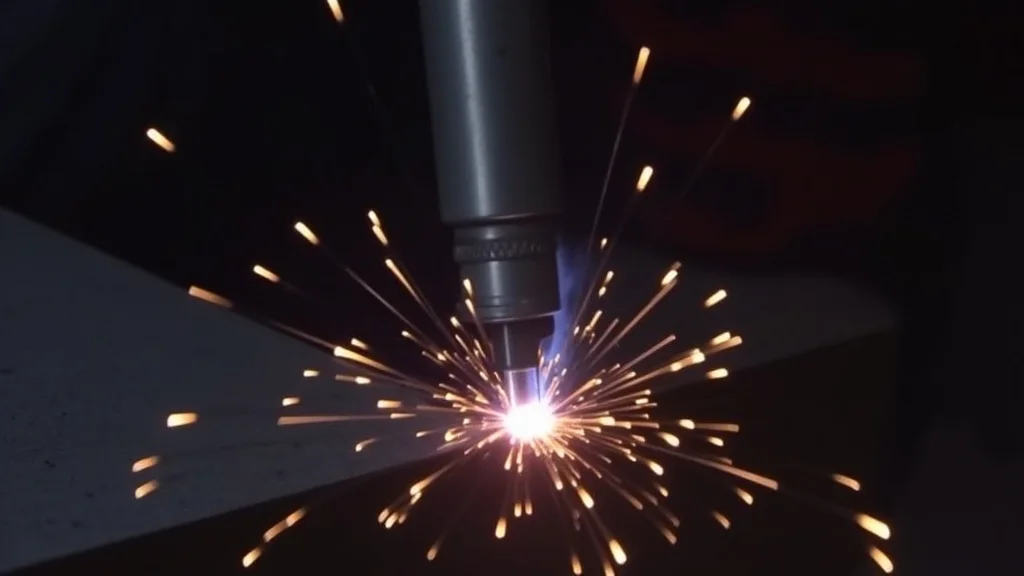
If your TIG welder arc isn’t steady, it can be frustrating. Many beginners find this a common challenge. It’s like trying to draw a straight line with a shaky hand.
But don’t worry! This is a fixable problem. We’ll show you simple steps to get your arc stable.
Get ready to see how easy it can be to get that smooth weld.
Key Takeaways
- You will learn the most common reasons for an unstable TIG arc.
- Discover how to check and adjust your TIG welder’s gas flow.
- Understand the impact of tungsten condition on arc stability.
- Learn how to properly set your amperage for a steady arc.
- Identify and fix issues with your TIG torch and consumables.
- Gain confidence in troubleshooting your TIG welding setup.
Understanding TIG Welder Arc Stability
Having a stable TIG arc is super important for good welds. When the arc flickers or wanders, it’s hard to make a clean, consistent bead. This problem, often summarized as TIG Welder Arc Not Stable?
Quick Fix, pops up a lot for folks just starting out. It might seem confusing at first, but it usually comes down to a few key things you can easily check and fix.
A stable arc feels like a steady flame. It’s predictable and lets you control the heat and metal flow precisely. When it’s not stable, the arc jumps around.
This makes it tough to melt the metal just right. It can cause weak spots, spatter, or even burn-through. So, getting this right is a big step in becoming a better TIG welder.
Common Causes for an Unstable TIG Arc
Several things can make your TIG arc act up. We’ll go through the most likely culprits one by one. Fixing these will make a big difference.
1. Gas Flow Issues
This is one of the most frequent reasons for an unstable arc. Your TIG welder uses a shielding gas, usually Argon, to protect the weld pool from the air. If the gas isn’t flowing correctly, the air gets in, and the arc becomes dirty and unstable.
Incorrect Flow Rate
The gas needs to flow at the right speed. Too little gas, and the weld won’t be protected. Too much gas can cause turbulence, which also makes the arc jumpy.
Most TIG welders have a flowmeter to set this.
- Check your flowmeter. It usually has a ball or a needle that shows the flow.
- For most TIG welding, a flow rate between 10-20 cubic feet per hour (CFH) is good.
- Always consult your welder’s manual for the best setting.
Gas Leaks
Leaks can happen anywhere in the gas system. This includes the gas bottle valve, the regulator, the hose, or the connection to your TIG torch. Even a small leak means less gas reaches the weld.
- Listen for hissing sounds when the gas is on.
- You can also use soapy water to check connections. If you see bubbles, there’s a leak.
- Tighten any loose fittings or replace damaged hoses.
Drafts and Air Movement
Strong drafts can blow the shielding gas away from the weld area. This is a big problem, especially when welding outdoors or in windy workshops. The gas shield is pushed aside, and air contaminates the weld.
- Try to weld in a sheltered area.
- Use a windbreak if you must weld outside.
- Make sure your gas lens is properly seated on your torch.
2. Tungsten Electrode Problems
The tungsten electrode is what creates the arc. If it’s not in good shape, the arc will suffer. This is a very common issue for beginners.
Wrong Tungsten Type
There are different types of tungsten electrodes, each with specific uses. Using the wrong type can lead to a less stable arc or contamination.
- Common types include pure tungsten (green), thoriated tungsten (red), ceriated tungsten (gray), and lanthanated tungsten (blue or gold).
- For AC welding (like aluminum), pure or lanthanated are often best.
- For DC welding (like steel), thoriated, ceriated, or lanthanated are good choices.
- Always follow the manufacturer’s recommendations.
Dull or Contaminated Tungsten
The tip of the tungsten needs to be sharp and clean for a focused arc. If it’s dull, rounded, or has metal stuck to it, the arc will spread out and become unstable. This contamination often happens if the tungsten touches the weld pool.
- Grind your tungsten to a sharp point. The sharper, the more focused the arc.
- Never let the tungsten touch the metal you are welding.
- If the tungsten gets contaminated, stop welding, grind it clean, and re-establish the arc.
Incorrect Grinding Angle
How you grind the tungsten matters. Grinding it too blunt or too pointed can affect the arc. The goal is a sharp, clean point.
- Grind the tungsten lengthwise, not across the tip.
- A sharp, conical tip is generally best for most applications.
- Use a dedicated tungsten grinder, not a bench grinder used for other metals. This prevents contamination.
3. Amperage Settings
The amount of power (amperage) you use directly affects the arc. Setting it too high or too low can cause problems.
Amperage Too Low
If your amperage is too low for the material thickness, you won’t get enough heat. This can make the arc seem weak and sputtering. It also makes it hard to melt the metal properly.
- Start with a recommended amperage for your material thickness.
- If the arc is weak and sputters, try increasing the amperage slightly.
- You should see a consistent, focused arc that melts the metal smoothly.
Amperage Too High
Too much amperage can cause the arc to be too wide and unstable. It can also lead to excessive heat, spatter, and burn-through. The tungsten might also wear down too quickly.
- If the arc is too wide, sputtering, or making a loud buzzing sound, your amperage might be too high.
- Try lowering the amperage a little to see if the arc becomes more controlled.
- Watch the puddle; it should be fluid but not boiling over.
4. Torch and Consumables
The parts that make up your TIG torch can also cause arc instability if they are worn or damaged.
Collet and Collet Body
These hold the tungsten in place. If they are worn, they might not hold the tungsten securely. This can lead to inconsistent arc length and stability.
- Check your collet and collet body for signs of wear or damage.
- Make sure the collet is the correct size for your tungsten.
- Ensure they are clean and free of debris.
Gas Lens and Nozzle
The gas lens helps direct the shielding gas. The nozzle (cup) helps shape the gas flow. If these are damaged or dirty, they won’t work effectively.
- Inspect your gas lens and nozzle for cracks or blockages.
- Clean them regularly.
- A properly functioning gas lens is key to good shielding gas coverage.
5. Ground Clamp Connection
A poor connection to your workpiece can cause a lot of electrical issues, including an unstable arc. The electricity needs a clear path to flow.
- Make sure your ground clamp is attached firmly to a clean metal surface on your workpiece.
- Scrape away any paint, rust, or dirt where the clamp is attached.
- Ensure the clamp itself is clean and free of corrosion.
6. Electrical Interference
Sometimes, other electrical devices nearby can cause interference. This is less common but can happen.
- Try to minimize other electrical equipment operating near your welding area.
- Ensure your welding cables are in good condition and not damaged.
Troubleshooting Steps: A Quick Fix Guide
When you face the TIG Welder Arc Not Stable? Quick Fix problem, here’s a simple order to check things:
Step 1: Check Your Gas
Turn on your gas bottle and check your flowmeter. Make sure the ball or needle is in the right range. Listen for any leaks.
If you’re in a drafty area, try to shield the weld.
Step 2: Inspect Your Tungsten
Look at the tip of your tungsten. Is it sharp and clean? If not, grind it to a fine point.
Make sure you’re using the right type of tungsten for your metal and current.
Step 3: Review Amperage Settings
Consider the material you’re welding. Is your amperage too high or too low? Make small adjustments and see if the arc becomes smoother.
Step 4: Examine Torch Consumables
Quickly check your gas lens, nozzle, and collet. Are they clean and undamaged? A damaged part can easily cause an unstable arc.
Step 5: Verify Ground Clamp
Ensure your ground clamp is making a solid, clean connection to your workpiece. A loose or dirty ground is a common electrical fault.
When to Seek Professional Help
Most arc stability issues are simple to fix. If you’ve gone through all these steps and the arc is still unstable, there might be a more serious problem with your welder itself. In this case, it’s best to contact the manufacturer or a qualified repair technician.
Frequently Asked Questions
Question: How do I know if my gas flow is too high or too low?
Answer: If the gas flow is too low, you’ll likely see discoloration on the weld bead and the arc will be unstable due to air contamination. If it’s too high, you might notice the shielding gas blowing the puddle around or causing turbulence, which also leads to an unstable arc.
Question: Can I use a regular grinder to sharpen my tungsten?
Answer: It’s best not to. Regular bench grinders are often used for other metals, and particles can contaminate your tungsten. This contamination will then transfer to your welds.
Use a dedicated tungsten grinder or a grinding stone specifically for tungsten.
Question: My TIG arc keeps sputtering, what should I do?
Answer: Sputtering is often a sign of contamination. Check your tungsten for dirt or metal buildup. Also, ensure your shielding gas is adequate and not being blown away by drafts.
A dirty workpiece can also cause sputtering.
Question: How often should I regrind my tungsten?
Answer: You should regrind your tungsten whenever it becomes dull, rounded, or contaminated. For most DC welding, a sharp point is essential. For AC welding, a slightly blunted or balled tip might be used, but it should still be clean.
Question: I’m welding thin aluminum, and my arc is very jumpy. What’s wrong?
Answer: For thin aluminum, you need precise control. Ensure you are using AC power. Check that your tungsten is clean and properly pointed.
Also, verify your gas flow is correct and that there are no drafts affecting the shielding gas. Amperage might also be too high, causing the arc to spread.
Final Thoughts
An unstable TIG arc is a common hurdle, but it’s usually a quick fix. By checking your gas flow, the condition of your tungsten, and your amperage settings, you can get back to smooth, clean welds. Always remember to inspect your torch consumables and ensure a solid ground connection.
These simple steps will help you troubleshoot most arc stability issues and improve your TIG welding results.