It’s a common frustration when your TIG welder’s arc doesn’t seem hot enough. Beginners often face this issue, wondering if they’re doing something wrong. You might be thinking, “Why isn’t my TIG Welder Arc Not Hot Enough?
Quick Solutions” are so hard to find. Don’t worry! This guide will show you exactly why this happens and give you simple, step-by-step fixes.
We’ll get your TIG welder running hot and strong, just like you need it to.
Key Takeaways
- You’ll learn the most common reasons why a TIG arc might not be hot enough.
- Discover how to quickly check and adjust your amperage settings.
- Understand the role of tungsten type and size in arc heat.
- Learn how gas flow can affect arc temperature and stability.
- Find out how to troubleshoot common equipment issues affecting heat.
- Get practical tips to improve your TIG welding heat control.
Why Your TIG Welder Arc Might Not Be Hot Enough
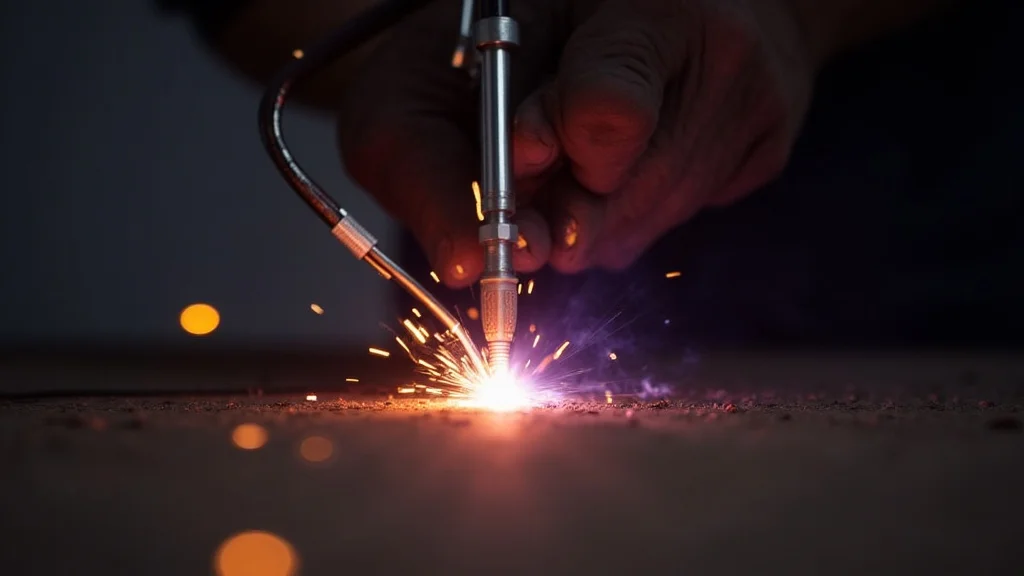
When you’re TIG welding, you want a nice, focused arc that melts metal cleanly. If your arc looks weak, sputtering, or just isn’t melting the material like you expect, it’s a clear sign that your TIG welder arc is not hot enough. This is a problem many people run into when they start.
It can be confusing because there are a few things that can cause this. But usually, it’s something simple to fix.
Amperage Settings: The Most Common Culprit
The most direct way to control how hot your TIG arc is comes down to amperage. Amperage is like the amount of electrical power going through your torch. More amperage means a hotter arc.
Less amperage means a cooler arc.
Too Low Amperage
If you have your amperage set too low for the material thickness and type you’re welding, your arc won’t have enough power. It might look wispy, or it might not even melt the base metal properly. You’ll end up pushing filler rod into cold metal, which is a recipe for weak welds.
Incorrect Amperage for Material
Different metals need different amounts of heat. For example, thin aluminum requires a lot of heat, while thin steel might need less. If you’re using the same amperage for a thick piece of steel as you would for a thin piece of aluminum, you’re going to have problems.
Checking and Adjusting Amperage
Your TIG welder will have a dial or digital display for amperage. Always make sure this is set correctly before you start welding. A good rule of thumb is to start with a recommended amperage for your material thickness and then adjust as needed.
Here’s a simple guide for starting amperage on mild steel:
| Material Thickness (Gauge) | Material Thickness (Inches) | Starting Amperage (Approx.) |
|---|---|---|
| 26 GA | 0.018″ | 20-30 A |
| 20 GA | 0.035″ | 40-60 A |
| 16 GA | 0.059″ | 60-80 A |
| 12 GA | 0.104″ | 80-110 A |
| 1/4″ | 0.250″ | 100-150 A |
Remember, these are just starting points. You’ll learn to adjust by watching the puddle and how the metal melts.
Tungsten Electrode: The Arc’s Foundation
The tungsten electrode is what creates the arc when it touches the workpiece or gets very close. What kind of tungsten you use and how sharp it is makes a big difference in arc stability and heat.
Tungsten Type
There are different types of tungsten electrodes, each with different alloying elements. These elements affect the electron emission and how stable the arc is. For DC welding (steel, stainless steel), pure tungsten used to be common but is now outdated.
Thoriated tungsten (red band) is also being phased out due to radioactivity. Ceriated (gray band) and Lanthanated (blue or gold band) are excellent general-purpose options.
For AC welding (aluminum), pure tungsten (green band) or Zirconiated (brown band) are typically used. However, lanthanated and ceriated can also work well.
Tungsten Grinding and Size
How you grind your tungsten is important. For DC welding, you want a sharp, pointed tip. This creates a focused arc that penetrates well and is hotter.
If your tungsten is rounded or blunted, the arc will spread out and be less intense.
For AC welding, you usually round the tip slightly to prevent arc wander. But if your AC arc isn’t hot enough, ensure you’re using the right type and size. Too small a tungsten for the amperage can overheat and break.
Generally, a larger diameter tungsten can handle more amperage before melting. If you’re running high amps and your tungsten is constantly melting back, try a larger diameter.
Shielding Gas: Keeping the Arc Clean
Shielding gas is crucial for TIG welding. It protects the molten weld puddle and the tungsten electrode from atmospheric contamination. The type and flow rate of your gas play a role in arc temperature and stability.
Argon Gas
For most TIG welding, especially on steel and aluminum, pure Argon is the standard. Argon is an inert gas, meaning it doesn’t react with the metal. It creates a stable, well-focused arc.
Gas Flow Rate
If your gas flow rate is too low, you won’t get enough protection. This can cause porosity and weak welds. It can also make your arc less stable and appear less hot because impurities are getting into the arc.
Too much gas flow can also be a problem. It can create turbulence, which can pull in air and contaminate the weld. It also wastes gas.
A good starting point for gas flow is usually between 15-25 cubic feet per hour (CFH) for most applications. You can often see a steady, feather-like flow from the torch cup when welding. If it’s a roaring blast or barely a whisper, it’s likely not right.
Torch and Consumables: The Connection to Your Work
The parts of your TIG torch that come into contact with the arc and the workpiece are called consumables. If these are worn out or damaged, they can definitely affect your arc’s heat.
Gas Lens vs. Standard Collet Body
A gas lens is a specialized collet body that helps direct the shielding gas more smoothly and broadly over the weld area. This provides better coverage, especially at higher travel speeds or on complex joints.
If you’re using a standard collet body and experiencing poor gas coverage, it might seem like your arc isn’t hot enough because the weld is getting contaminated. Switching to a gas lens can improve gas coverage and result in a cleaner, hotter-looking arc.
Worn Nozzle
The ceramic nozzle on your TIG torch directs the gas flow. If it’s chipped, cracked, or excessively worn, it can disrupt gas flow. This can lead to a poor arc and contamination, making it seem like the arc isn’t hot enough.
Correct Tungsten Stick-Out
How much tungsten you let stick out of the nozzle affects the arc. Too much stick-out can lead to a wider, less focused arc. Too little can cause the tungsten to hit the workpiece or the weld puddle, which can contaminate the tungsten and the weld.
For DC welding on steel, try to have about 1/4 to 1/2 inch of tungsten sticking out. For AC welding on aluminum, you might stick out a bit more, but avoid excessive amounts.
Machine Settings: Beyond Just Amperage
While amperage is king, other settings on your TIG welder can also influence the arc’s behavior and perceived heat.
AC Balance (for Aluminum)
On AC TIG welders, there’s a setting called “AC Balance.” This controls the amount of cleaning action (the “electrode positive” or EP part of the cycle) versus penetration (the “electrode negative” or EN part of the cycle).
If your AC balance is set too far towards cleaning, you get less penetration and less focus on the heat going into the metal, making it seem like the arc isn’t hot enough for melting. Adjusting it to be more towards penetration can give you a hotter, more focused arc on aluminum.
AC Frequency (for Aluminum)
AC Frequency controls how fast the welder switches between electrode positive and electrode negative. A higher frequency (e.g., 100-200 Hz) creates a tighter, more focused arc, which can feel hotter and provide better control. A lower frequency (e.g., 50-60 Hz) results in a wider arc with more cleaning action.
If your aluminum welds aren’t penetrating, and you’re looking for a hotter arc, try increasing the AC frequency.
Pulse Settings (if applicable)
If your welder has pulse settings, these can affect how the heat is delivered. While pulse is often used to control heat input for thinner materials, incorrect pulse settings can make the arc feel weaker.
For example, a very low pulse duty cycle or a high pulse frequency with a wide gap between peak and base amperage might make the arc seem less hot. Experiment with different pulse parameters if you’re using them and suspect they are the issue.
Power Source and Connections: Ensuring Full Power
Sometimes, the problem isn’t with the settings or consumables, but with how power is actually getting to your welding torch.
Loose Ground Clamp
A loose ground clamp is a very common cause of poor conductivity. If the connection between your welder and the workpiece isn’t solid, you lose a significant amount of power. This will make your arc weak and ineffective, making it seem like your TIG welder arc is not hot enough.
Always ensure your ground clamp is attached to clean, bare metal and is clamped down tightly.
Work Lead Length
Longer work leads (ground cables) have more electrical resistance. If you’re using very long cables, you can lose voltage, which reduces the power delivered to the arc. If possible, try to keep your ground lead as short as practical for your welding distance.
Dirty Connections
Just like the ground clamp, any other connection point in your welding circuit can become a source of resistance if dirty or corroded. This includes the connection at the machine, the connector on the torch lead, and the torch itself.
Regularly check and clean all power connections to ensure good conductivity.
Material Issues: Not Always the Welder
While we’re focusing on TIG welder arc not hot enough? Quick Solutions, sometimes the problem isn’t with the welder itself but with the material you’re trying to weld.
Contaminated Material
If your base metal is dirty, oily, painted, or coated, your arc will struggle to melt it cleanly. The arc will try to burn off the contaminants before it can effectively melt the base metal. This can make the arc seem weak and ineffective.
Always clean your material thoroughly with a stainless steel brush and a solvent like acetone before welding. For aluminum, a dedicated aluminum cleaner is best.
Incorrect Material Type
You might be trying to weld a material that is harder to melt or requires specific techniques. For instance, some exotic alloys have different melting points and characteristics.
Double-check that you know what material you’re working with and that your settings are appropriate for it.
Troubleshooting Steps: Putting it All Together
When you’re facing a TIG welder arc not hot enough? Quick Solutions are what you need. Here’s a systematic way to figure out the problem:
- Check Amperage: Is it set appropriately for your material thickness? Start with recommended settings and adjust.
- Inspect Tungsten: Is it the right type? Is it sharp (for DC) or properly prepped (for AC)? Is it the correct diameter for your amperage?
- Verify Gas Flow: Is your argon flowing correctly? Use a flowmeter and check the pressure. Make sure it’s not too high or too low.
- Examine Torch Consumables: Is your nozzle worn or damaged? Is your collet body a gas lens? Is your tungsten stick-out correct?
- Test Connections: Ensure your ground clamp is tight and on clean metal. Check all other power connections for cleanliness and tightness.
- Review Machine Settings: For aluminum, check AC balance and frequency. If using pulse, ensure settings are appropriate.
- Clean Your Material: Remove any oil, paint, or dirt from the base metal.
By going through these steps logically, you can usually pinpoint the exact reason why your TIG welder arc is not hot enough and get back to welding effectively.
Frequently Asked Questions
Question: My TIG arc is weak on steel, but my machine is set to a high amperage. What else could it be?
Answer: If your amperage is high but the arc is weak, check your tungsten. A blunted or incorrect type of tungsten can cause this. Also, ensure your ground clamp is making a solid connection to clean metal, as a poor ground connection will reduce power.
Question: I’m welding aluminum and the arc isn’t melting it well. What should I adjust on my AC TIG welder?
Answer: For aluminum on AC, adjust your AC Balance towards penetration. Also, consider increasing your AC Frequency for a more focused arc. Make sure you’re using the correct type of tungsten for AC welding.
Question: My TIG torch seems to be spitting molten metal. Is this a sign of a weak arc?
Answer: Spitting molten metal can happen if your arc is unstable or if your shielding gas flow is too low or too high, causing turbulence. Ensure your gas lens is clean and your flow rate is set correctly. Also, check for contamination on your tungsten.
Question: I just replaced my tungsten, but the arc still doesn’t feel hot enough. What should I do?
Answer: If you’ve changed the tungsten and the problem persists, focus on other factors. Check your amperage setting, ensure your shielding gas is flowing properly, and verify that all your electrical connections (especially the ground clamp) are clean and tight.
Question: Can the length of my welding leads affect how hot my TIG arc is?
Answer: Yes, longer welding leads, especially the ground (work) lead, can add electrical resistance. This resistance can cause a voltage drop, meaning less power reaches your arc, making it feel less hot. Try to use the shortest practical lead length.
Final Thoughts
Dealing with a TIG welder arc not hot enough? Quick Solutions are usually straightforward. It often comes down to simple checks of your amperage settings, tungsten preparation, and shielding gas.
Making sure your equipment is connected properly and your consumables are in good shape is also key. By systematically troubleshooting these common areas, you can get your TIG welder producing the hot, stable arc you need for clean, strong welds. Don’t get discouraged; these are common learning points.
Wrap Up
When your TIG welder arc isn’t hot enough, the fix is often in the details. Check your amperage, tungsten, and gas flow first. Ensure clean connections and good material prep.
These simple steps will help you achieve the heat needed for great TIG welds.