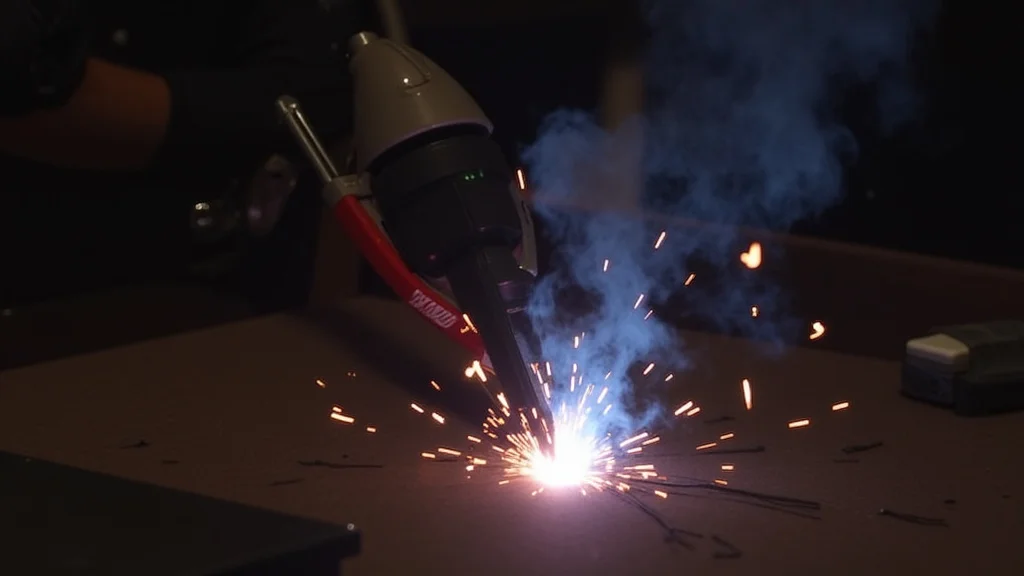
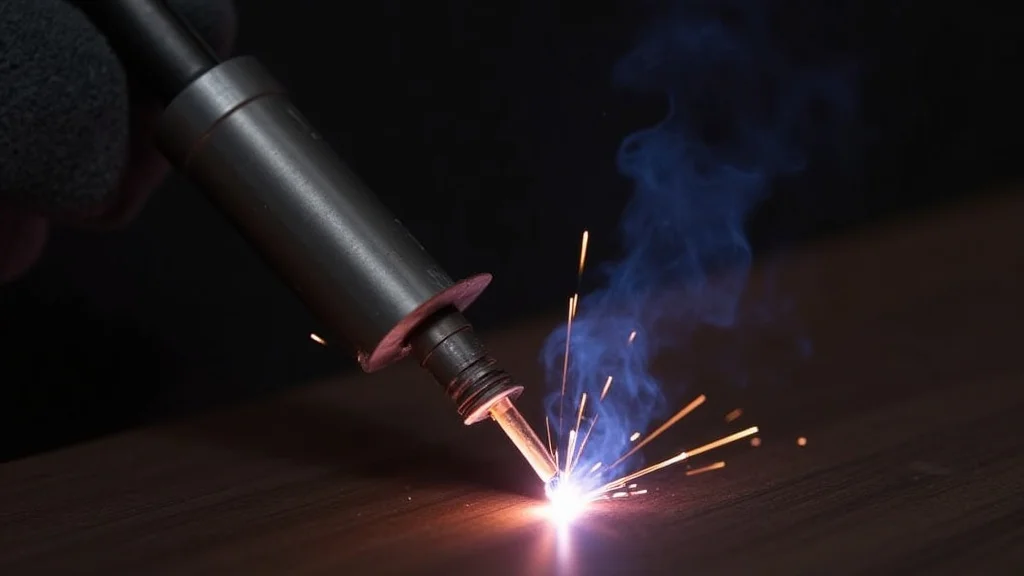
Learning TIG welding can feel a bit tricky at first, especially when your arc won’t behave. Many new welders run into problems with their TIG arc, wondering why it sputters, goes out, or just doesn’t look right. It’s totally normal to face these kinds of TIG Welder Arc Issues?
Steps to Get It Running Again. Don’t worry, though! We’ll break down how to fix it with simple steps.
Ready to get your welding machine working smoothly again? Let’s look at what might be going on.
Key Takeaways
- You will learn common reasons why a TIG welder’s arc might not be working correctly.
- Simple checks for your TIG welder’s power source will be explained.
- We will cover how gas flow affects the TIG arc and what to do about it.
- You’ll find out how tungsten electrode issues can cause arc problems.
- Steps to troubleshoot your torch and consumables for better arc stability are included.
- Basic maintenance to keep your TIG welder running at its best will be discussed.
Why Your TIG Welder Arc Might Be Acting Up
Getting a steady, clean arc is the heart of TIG welding. When that arc flickers, pops, or just won’t start, it stops you from making good welds. For beginners, spotting the exact cause can be confusing.
Is it the machine? The gas? The tungsten?
Often, it’s a combination of small things that are easy to fix once you know where to look. We’ll walk through the most common culprits.
Checking Your Power Source and Settings
Your TIG welder’s power source is where the magic begins. If the arc isn’t right, the first place to look is the machine itself and its settings. Think of it like a light switch; if it’s not on properly, the light won’t shine bright.
Amperage and Polarity
The amperage setting controls how much heat you’re putting into the metal. Too high, and you’ll blow holes. Too low, and you won’t melt the metal.
Make sure your amperage dial is set to what your project needs.
Polarity is also key for TIG welding, especially on AC machines for aluminum. For DC welding, you generally want Direct Current Electrode Negative (DCEN). This focuses the heat on your workpiece.
If your machine is set to the wrong polarity, the arc will be weak and unstable. Check your machine’s manual to be sure you have the right setting for the type of metal you are welding.
Machine Output
Sometimes, the issue is with the machine’s output itself. Even if the settings look right, there could be an internal problem. For AC machines, check the balance and frequency settings.
These affect how the arc cleans the aluminum and how focused it is. Adjusting them can make a big difference in arc stability on aluminum.
Listen to your welder. Does it sound normal? Are there any strange noises?
If the machine seems to be struggling or making odd sounds, it might need a professional check-up. But before calling a pro, let’s go through some simpler fixes.
The Importance of Shielding Gas
Shielding gas is vital for TIG welding. It protects the molten weld pool and the tungsten electrode from the air. Without enough, or the right kind, of gas, your arc will be dirty, your welds will be weak, and your tungsten will get contaminated quickly.
Gas Flow Rate
The flow rate of your shielding gas (usually Argon for TIG) is super important. If the flow is too low, the air will get to your weld, causing contamination and a weak arc. If it’s too high, it can actually blow the shielding gas away from the weld puddle, causing the same problem!
A good starting point for most TIG welding is between 15 to 25 cubic feet per hour (CFH). You can adjust this based on your environment. If you’re welding outside or in a drafty area, you might need to increase the flow slightly to keep the wind from blowing the gas away.
Use a flowmeter on your regulator to set this accurately.
Gas Leaks and Connections
Another common gas issue is leaks. Check all your connections from the cylinder to the regulator, the hose, and the connection at the welder and torch. Even a small leak can let in air and cause problems.
You can often hear hissing if there’s a leak. A little soapy water sprayed on the connections can reveal tiny bubbles if there’s a leak you can’t hear.
Make sure your gas bottle is not almost empty. If the pressure is very low, the flow might not be consistent. Always start with a full or nearly full bottle.
Tungsten Electrode Problems
The tungsten electrode is what creates the arc. If it’s not in good shape, your arc will suffer. It’s like trying to write with a dull pencil; it just doesn’t work well.
Tungsten Condition and Shape
For DC welding, you want to grind your tungsten to a sharp point. This helps create a focused and stable arc. A rounded or balled-up tungsten will create a wide, sputtering arc that’s hard to control and doesn’t penetrate well.
For AC welding on aluminum, you generally want to ball the tip of the tungsten. The ball size depends on the amperage. A correctly balled tip helps stabilize the AC arc.
If the ball is too big or too small, the arc can be erratic.
Tungsten Contamination
Touching the tungsten to the workpiece or filler metal is a sure way to contaminate it. This contamination will make the arc unstable and cause little black flecks to appear in your weld. If this happens, you need to stop, grind a fresh tip (or re-ball it for AC), and make sure you don’t touch it again.
Using the wrong type of tungsten can also cause issues. Thoriated (red band) and ceriated (orange band) are common for DC, while lanthanated (blue band) or pure tungsten (green band) are often used for AC. Always use the type recommended for your application.
Torch and Consumable Issues
Your TIG torch and the parts inside it (consumables) are directly involved in creating and shaping the arc. If these aren’t right, the arc will be unhappy.
Collet and Collet Body
The collet holds the tungsten electrode. If it’s worn or the wrong size for your tungsten, it won’t grip properly. This can lead to a wobbly tungsten and an unstable arc.
The collet body fits into the torch head and holds the collet. Make sure these are clean and not damaged.
Gas Lens
A gas lens is a very useful upgrade for your TIG torch. It helps distribute the shielding gas more evenly and broadly over the weld puddle. This is especially helpful when you’re welding out of position or in slightly drafty conditions.
If your gas lens is clogged or damaged, it won’t work effectively, leading to arc instability and contamination.
Nozzle (Cup) Size
The ceramic nozzle, or cup, directs the gas flow. A nozzle that’s too small for the job can restrict gas flow, leading to insufficient coverage. A nozzle that’s too big might make it hard to see your weld puddle.
Make sure the nozzle size is appropriate for the amperage you’re using and the joint you’re welding.
If the nozzle has cracks or chips, it can also disrupt gas flow and cause problems. Always check your consumables for wear and tear.
Setup and Connection Checks
Sometimes, the simplest things are overlooked. Basic checks of how everything is connected can save a lot of frustration.
Ground Clamp
A good ground connection is absolutely essential for any welding process, including TIG. Make sure your ground clamp is securely attached to a clean metal surface on your workpiece or welding table. A loose or dirty ground connection will cause arc instability and poor weld quality.
Clean any rust, paint, or dirt from the area where the clamp attaches.
Work Lead
The work lead connects the welder to the ground clamp. Ensure it’s in good condition, with no cuts or damaged insulation. A damaged lead can cause resistance, leading to poor conductivity and an unstable arc.
Tug on it gently to make sure it’s firmly attached at both ends.
Interference
High-frequency (HF) start can sometimes cause issues if there’s too much interference. Make sure your TIG welder is not too close to other electronic equipment that might be sensitive to HF signals. While HF start is designed to help you start the arc without touching the tungsten, excessive interference can sometimes make the arc jumpy.
Troubleshooting Steps Summarized
When you’re facing arc problems, a systematic approach helps. Here’s a quick rundown of what to check:
- Check Power Settings: Verify amperage and polarity are correct for your material.
- Inspect Gas: Ensure your Argon bottle has enough gas, check the flow rate (15-25 CFH is a good start), and look for leaks in hoses and connections.
- Examine Tungsten: Grind or ball your tungsten to the correct shape for DC or AC welding. Make sure it’s not contaminated.
- Review Torch Consumables: Check your collet, collet body, gas lens, and nozzle for wear or damage.
- Verify Connections: Ensure your ground clamp is clean and secure. Check the work lead condition.
Frequently Asked Questions
Question: Why does my TIG arc keep going out?
Answer: Your arc might be going out if your shielding gas flow is too low, if there’s a draft blowing the gas away, or if your tungsten is contaminated and not making a consistent contact. Loose connections to the power source can also cause intermittent power loss.
Question: My TIG arc is very spattery. What’s wrong?
Answer: Sputtering often means poor shielding gas coverage, similar to when the arc keeps going out. It can also be caused by a dirty workpiece, a contaminated tungsten that’s not properly shaped, or incorrect polarity settings on your machine.
Question: I’m welding aluminum and the arc is jumpy. How do I fix it?
Answer: For aluminum, the arc should be smooth and stable with AC power. A jumpy arc can mean you need to adjust the AC balance or frequency settings on your welder. Also, ensure your tungsten is properly balled for AC welding and that you have sufficient argon flow.
Question: Can my welding cables cause arc problems?
Answer: Yes, damaged or poorly connected welding cables can absolutely cause arc problems. A bad ground connection is a common cause of unstable arcs. Make sure the ground clamp is clean and tight on the workpiece.
Question: How often should I replace my TIG torch consumables?
Answer: You should replace consumables like nozzles, collets, and collet bodies when they show signs of wear, damage, or contamination. Tungsten electrodes need to be re-ground or re-balled frequently during use to maintain a good arc.
Final Thoughts
Getting a stable TIG arc is key to good welding. You’ve learned about common issues with power settings, gas flow, tungsten condition, and torch parts. Simple checks can often solve big problems.
Always start with the basics: ensure your settings are correct, your gas is flowing well, and your tungsten is clean and shaped right. Keep your equipment in good order, and you’ll find your TIG arc behaves much better. Keep practicing, and you’ll be making clean, strong welds in no time.